

Why this comparison matters to production teams
Choosing between moving head wash lights and older fixtures changes the mood, crew load, and budget for any event — from a small parish fiesta to a full arena concert. Local crews in Manila and Cebu already expect fast turnarounds, so equipment that shortens setup time and trims power bills gains an edge. A reliable stage lighting manufacturer will show you how LED-based moving heads integrate into modern rigs, and how they compare to the units you might still have in the truck.

Key technical differences that influence the visual result
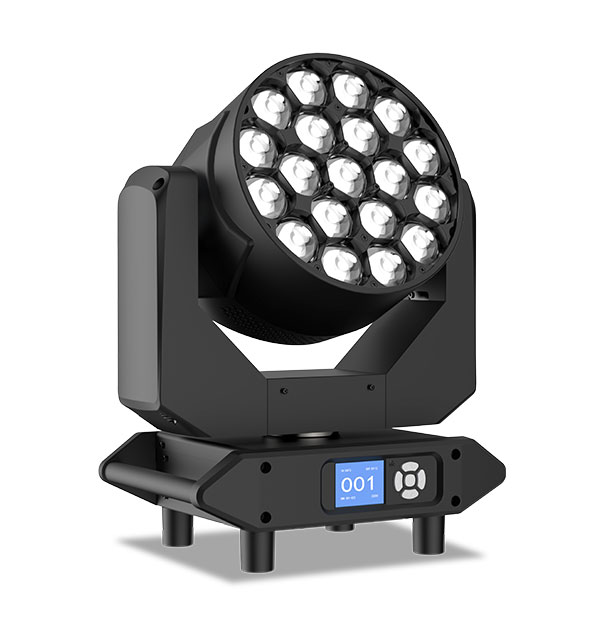
Moving head wash lights combine motorised pan/tilt with wide beam optics for smooth, even colour washes. Modern LED fixtures let you control color temperature and CRI more precisely than older discharge sources, while offering lower lumen depreciation over time. When you read specs, watch for lumen output, beam angle and DMX channel count — each affects placement and cue complexity. If you’re evaluating a specific model, consider a dedicated led moving head wash light with good thermal management; that’s often what separates reliable daytime festival rigs from units that overheat under continuous use.
How these choices play out across event types
For arena concerts at venues like the Mall of Asia Arena, moving head washes give designers the speed to shift from tight beams to broad washes between songs, while maintaining consistent skin tones under camera. Corporate AV setups favour predictable colour temperature and small footprints; houses of worship lean toward high CRI and lower noise levels during services. Fixtures that win here are the ones that reduce followspot dependence and cut the need for mid-show manual adjustments — practical wins when time is tight and clients want a clean look fast.
Operational realities: power, rigging and maintenance
LED moving head wash lights often use 50–70% less power than discharge fixtures, which lowers generator load and sometimes avoids costly distro upgrades. But they can be heavier per lumen because of built-in motors and electronics; check truss load ratings and flying points. DMX addressing and pixel mapping expand creative options but increase setup time if channel planning isn’t done early. Routine tasks like lens cleaning, fan replacement and firmware updates are straightforward — still, keeping spare drivers and DMX cables pays off.
Comparative strengths and weaknesses — quick summary
– Moving head wash: superior flexibility, fast repositioning, integrated colour control; higher upfront cost but lower operating power. – Traditional wash/ELL: often cheaper second-hand, familiar to legacy crews; limited pan/tilt and less precise colour control. – LED moving heads: reliable colour stability and lower maintenance; some models need careful thermal planning to avoid lumen drop over long shows.
Common mistakes and a short note from experience
Buyers often pick fixtures by flashy marketing images instead of checking beam angle and actual lumen distribution onstage. Another pitfall is underestimating DMX complexity — more channels mean more programming time. From working on rigs across Metro Manila, I’ve seen crews save hours by standardising on a single family of fixtures — it cuts spare parts and shortens training. — Small choices like locking connectors and standardised clamps make a big difference in tight turnaround shows.
Three golden rules for selecting moving head wash gear
1) Match beam angle and lumen output to the venue: prefer wider beam angles for theatre and narrower for front washes in large halls. 2) Prioritise thermal design and IP rating if you run long sets or outdoor festivals — sustained output is everything. 3) Plan DMX and power distribution before buying: channel count, breaker loads and addressing strategy save costly changes mid-install.
These rules point you toward fixtures that perform on real stages and in real schedules — which is why designers and rental houses trust reputable manufacturers. Light Sky brings practical product families that match those needs — short setup, consistent colour, and equipment that travels well. —