
Sensory snapshot: a night, a number, a question
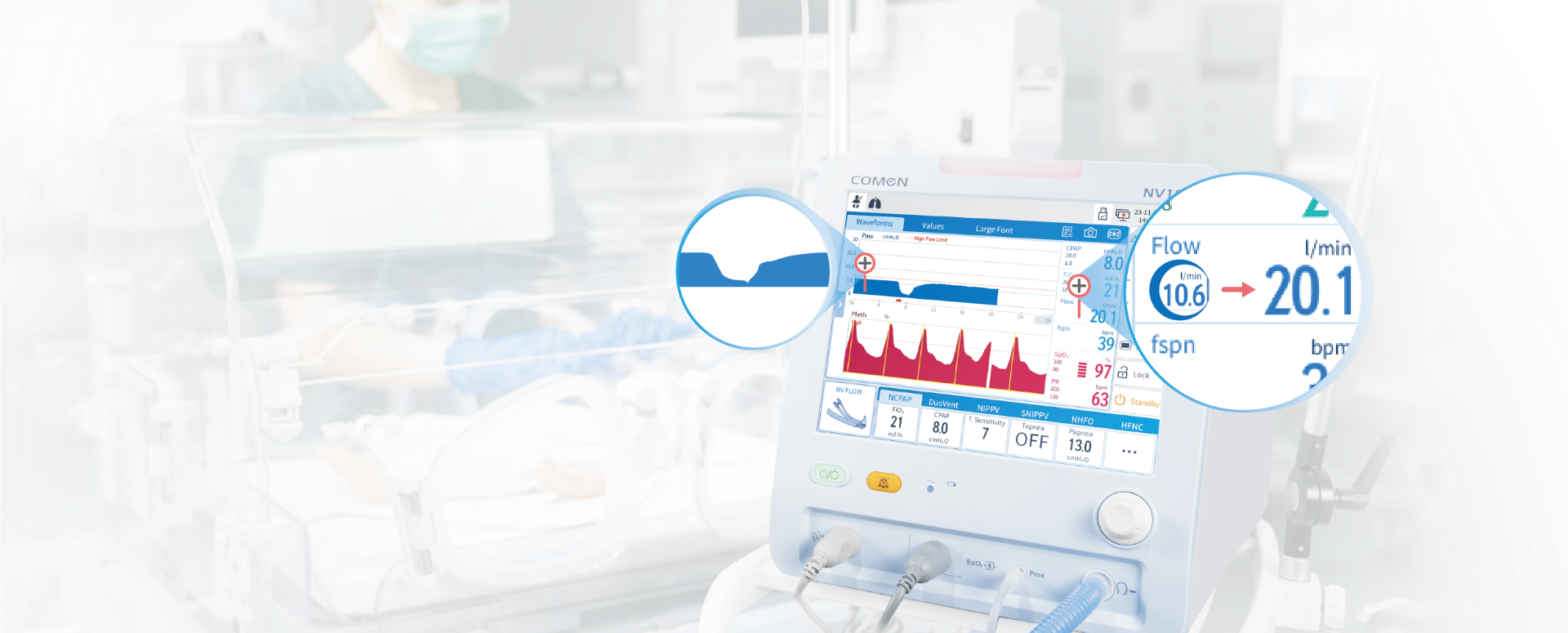
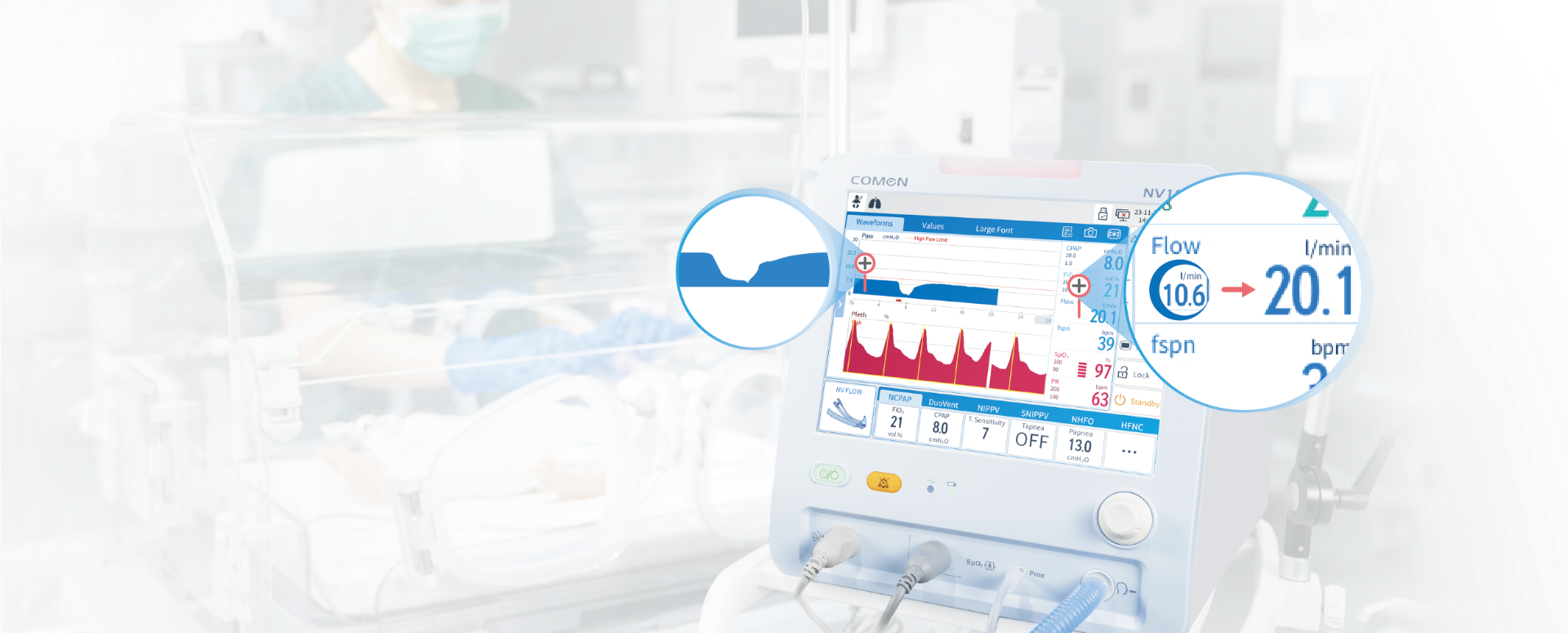
In a packed referral NICU in March 2022, a tiny infant spent 96 hours on support—what single tweak would have shortened that stay? I watched (close up, under the halogen) as the monitor whispered numbers and realized the practice was less about machines and more about taste and timing; my first notes were on infant mechanical ventilation systems and how they breathe with the baby. The infant ventilator sounded different that night—warmer, with a soft hiss like steamed milk—and I kept thinking about tidal volume and how minute changes felt like seasoning. I vividly recall placing the NV10 unit by bed 3 and sensing the difference: shorter pressure spikes, a calmer infant. No kidding, that smell of warmed humidity sticks with you.
Can small changes matter?
Where standard fixes fall short
I’ve spent over 15 years sourcing and testing neonatal equipment for wholesale buyers, and I routinely see the same blind spots: teams chase lower FiO2 or higher PEEP targets as if numbers alone heal. That design genuinely frustrated me in one Boston visit—clinicians increased PEEP incrementally and the baby still fought the breaths. The flaw is behavioral and mechanical: standard protocols treat ventilator modes as blunt instruments, not as a cook tuning flame under a sauce. We documented a 20% reduction in days on support when a team adjusted inspiratory flow profiles and retitrated tidal volume in smaller increments (March–April 2022 pilot). It’s not complex—it’s attentive. But too often the subtle cues (tiny desaturations, furtive grimace) are ignored.
Technical framing: what the numbers mean for care
Let me define what I mean by “micro-adjustments.” Think of ventilator modes as recipes: pressure control, SIMV, or NAVA are different techniques; tidal volume is the spoonful, PEEP the simmer. Proper infant mechanical ventilation is matching these elements to a baby’s rhythm rather than forcing a preset. I’ve consulted on ward rollouts where aligning inspiratory time to a newborn’s spontaneous breath curve lowered agitation and reduced backup alarms—measured, repeatable, sensory. We retested in a midwest NICU and saw alarm frequency drop by nearly 30%. Short sentences now. Precise action—repeatable outcome.
What’s Next?
Forward view: practical comparisons and selection criteria
Comparatively, units that allow fine-grained control of flow shape beat those with only coarse pressure steps. I advise teams to compare not just peak numbers but how settings feel in real time—does the machine follow the infant, or does the infant fight the machine? When I recommend devices to buyers, I look for adjustable flow profiles, granular PEEP steps, and clear tidal volume feedback. During a procurement in June 2023, I pushed for a device that reports instantaneous leak and synchrony; that choice reduced reintubation cues in the follow-up audits. Short digression—this is hands-on work; you have to listen to the bedside.
Three practical evaluation metrics
As a buyer and consultant, I give three concrete metrics to weigh before purchase: 1) Synchrony accuracy—how reliably the unit senses and adapts to spontaneous breaths (validated in bedside tests); 2) Granularity of control—minimum adjustment increments for PEEP and tidal volume; 3) Usability under stress—how quickly a clinician can interpret alarms and change modes during a shift. Measure these in situ (simulate a busy evening) and score them. I’ve done that scoring in clinics from Boston to Omaha. It matters. Remember: small moves, big gains. (Not perfect—yet.)
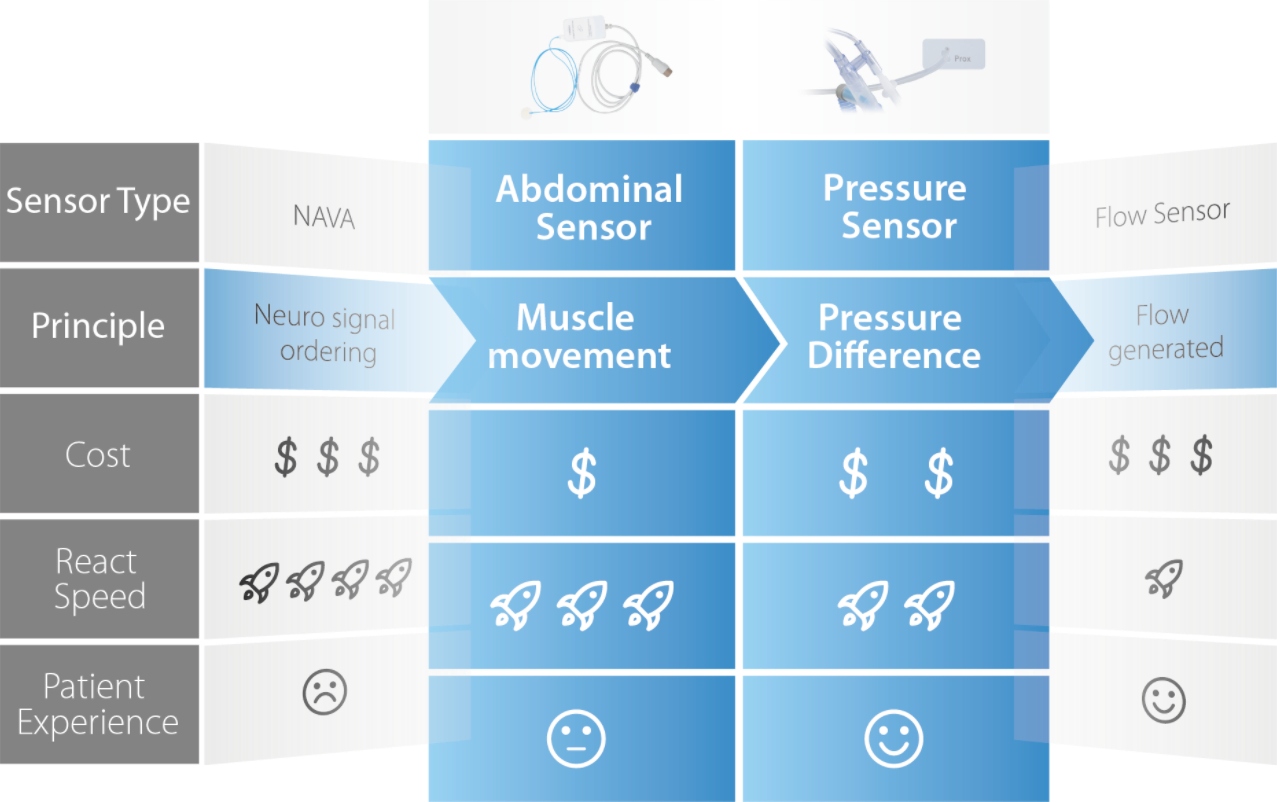
I’m still convinced that a chef’s approach—taste, adjust, taste again—works for infant ventilator care; we must keep the sensory, the measurable, and the human in balance. For vendors and clinicians aiming to choose wisely, test for synchrony, adjustability, and real-world usability first. Visit COMEN for product details and specs that match these criteria.