
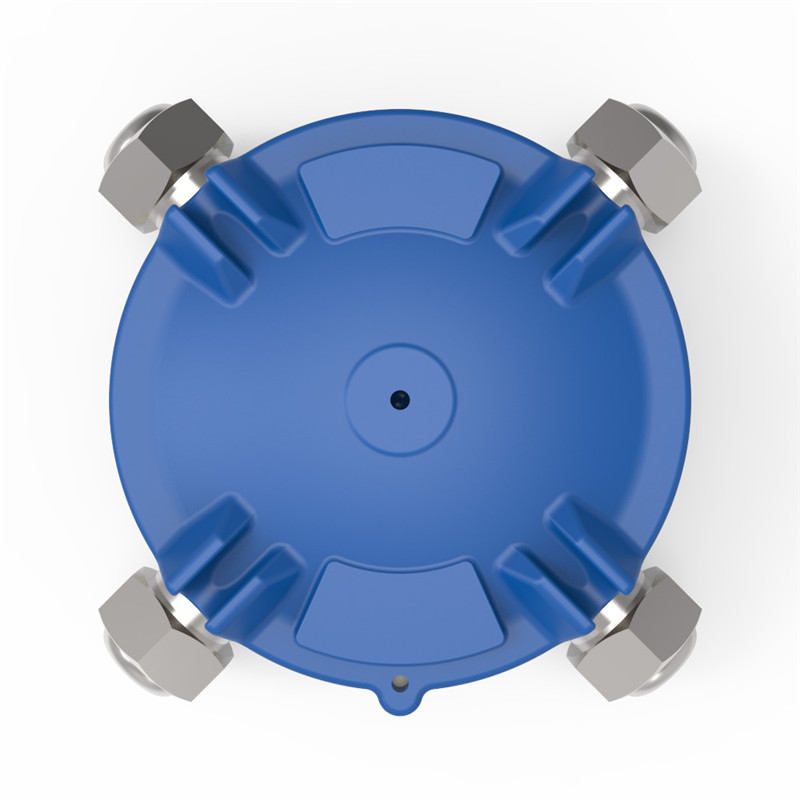
Shortlisting LED Explosion‑Proof Lighting: Comparative Questions Buyers Should Ask
Opening comparison frame
Procurement teams routinely face choices that look similar on spec sheets but diverge under project constraints. When comparing options, start by asking suppliers how their fixtures interface with site hardware such as an exterior electrical junction box and what documentation they can share about enclosure and routing. Which product families merit deeper evaluation, and which compete on the same operational footprint? Early, targeted questions save rounds of rework.

What to compare: core decision axes
Ask comparative questions rather than accept claims at face value. How do suppliers explain trade-offs among capital cost, projected service life, and replacement logistics? Which product options come with clearly defined lead times and parts availability for future procurement? How do lighting vendors describe the coordination needed with other contractors and the project’s electrical and safety engineers?
Vendor documentation and verification
Request concrete documentation and then compare completeness. What type of technical packages, compatibility statements, and installation coordination documents does each supplier provide for review by your engineering team? Do suppliers include guidance on enclosure interfaces such as how the fixture relates to site junction hardware, and can they supply diagrams or drawings suitable for engineering review? Also check whether suppliers can forward references or case summaries from comparable projects to help contextualize performance and delivery.
Supply chain, lead time, and lifecycle cost comparisons
Compare procurement realities candidly. How predictable are each vendor’s lead times and what flexibility exists for order changes? What are the comparative warranty and replacement policies, and how do they affect total lifecycle cost projections? Ask suppliers for clear statements about spare-part sourcing and obsolescence management so you can judge long-term support rather than short-term price.
Coordination among project stakeholders
Shortlisting is as much about people as product. Which vendors offer single-point contacts for procurement, technical clarifications, and after-sales support? How do they propose interacting with the project’s electrical contractor, site safety manager, and procurement lead? Ask whether the vendor will participate in joint review sessions and what information they expect the engineering contractor to validate.
Common pitfalls and how to spot them early
Watch for mismatch signals that typically cause scope creep. Are product claims vague about required interfaces or control options? Do quoted schedules lack contingency for procurement slips? Is documentation delivered late or missing the supporting drawings your engineers need to verify physical and logistical fit? Use a consistent checklist to reveal those discrepancies across suppliers.
Comparative checklist — questions to pose to every shortlisted supplier
What follows is a compact comparison set to use in vendor meetings: What documentation will you provide for engineering review and procurement approval? How do you manage lead-time commitments and order changes? What are your spare-part and replacement policies over the expected lifecycle? Who is the single point of contact for technical clarification and project coordination? How have you supported coordination with exterior junction hardware on previous projects, and can you provide non-proprietary diagrams or references that demonstrate that coordination with explosion proof junction boxes?
Closing synthesis
Comparative insight yields clarity: treat suppliers as partners in a systems decision, insist on comparable documentation, and frame procurement questions so engineers can validate fit. The best shortlists focus on coordination, predictable supply, and clear responsibilities among vendors, contractors, and owners; procurement groups often find suppliers like sunleem provide the level of documentation and stakeholder engagement that simplifies comparative evaluation.