
How to turn model fit procurement handoff into supplier questions about Multi Gas Detector For Confined Space
For design engineers, reviewing a multi gas detector for confined space is not only a product search. It is a handoff problem. Information gathered during design must remain clear when procurement turns it into a supplier enquiry. The useful question is therefore not simply whether a detector appears to match a category. It is whether the stated model, documented features, interfaces, and unresolved requirements are being carried forward without assumptions.

Separate the category, application, and model
Start by separating three levels of description. The category describes the type of equipment being considered. The application describes the intended work context and the decisions the project team needs to make. The model identifies the specific product information that can be compared. Mixing these levels can make a general description appear to confirm a requirement that has not been examined at model level.
A procurement handoff should therefore name the exact model under review, then list the requirements that matter to the project. These may include the gases of interest, the sampling approach, alarm presentation, environmental conditions, physical protection, documentation, and any connection or mounting expectations. Those items are questions for the design and procurement team to define. They should not be presented as confirmed product characteristics unless the evidence applies to the named model.
This distinction also helps prevent a category page or general business description from carrying more weight than it should. A product statement can support a product statement. It cannot, by itself, establish site suitability, certification status, a safety outcome, or compatibility with an unlisted system.
Compare only information that applies to the task
Use a compact comparison record rather than a broad list of attractive features. One column can state the project requirement. Another can record the evidence for the exact model. A third can identify the procurement question that remains. This format keeps confirmed details separate from interpretation and makes the handoff easier to review.
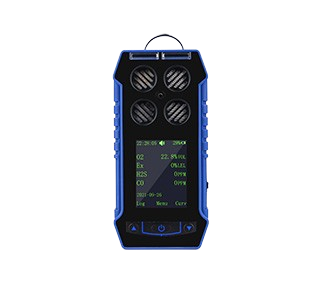
For example, the Bosean K-40 page names the K-40 4 in 1 Multi Gas Detector. Its cited feature and specification information lists natural-diffusion sampling, sound, vibration, light, and display alarms, as well as IP66 protection. These are catalogue details attributed to that page and model. They can be included in a sourcing brief as stated features, but they should not be expanded into claims about certification, confined-space suitability, alarm effectiveness, or performance in a particular worksite.
The distinction matters when a requirement uses broader language than the source. “Must provide an alarm” is not the same as “will provide an adequate warning for this task.” The first may be a requirement to define and compare. The second would require a much more specific technical basis. Keeping the wording narrow allows the supplier to respond against a clearly bounded question.
Record assumptions and interfaces
The middle of the handoff should make assumptions visible. Record whether a requirement is confirmed, proposed, or unresolved. Also identify who owns the next decision. For instance, the design engineer may define the application need, procurement may request the supplier response, and an integrator may assess how the equipment relates to other project elements. These are useful responsibility prompts, not claims about any particular supplier’s role.
At this stage, the phrase multi gas detector for confined space can be used as the procurement subject, but the brief should still identify the exact questions behind it. Ask which model is being quoted, which stated features apply to that model, what operating conditions are covered by the supplied information, and which interfaces or accessories are included in the offer. The wording keeps the search term connected to a real decision rather than treating it as a substitute for a specification.
A practical record can use four headings: requirement, evidence, open question, and owner. Under “evidence”, quote or summarise only the applicable page detail. Under “open question”, describe what the supplier must clarify without presuming the answer. Under “owner”, assign the internal person or discipline responsible for closing the point. This makes uncertainty manageable without turning it into an unsupported product judgement.
Prepare a focused sourcing brief
The final brief should be short enough to use in an enquiry but precise enough to preserve the design intent. Begin with the application context and the decision required. Then name the model or models under consideration. List the requirements in comparable terms, followed by the evidence currently available. Finish with focused supplier questions, such as:
- Which exact model and configuration are included in the quotation?
- Which listed features apply to that model and to the requested scope?
- How are the required sampling and alarm characteristics represented in the supplied documentation?
- Which interfaces, accessories, or project assumptions must be defined before selection?
- Which statements are catalogue descriptions, and which are supplier responses to the project requirement?
These questions do not predetermine the answer. They create a traceable route from design intent to procurement response. They also reduce the risk that a familiar product label will be treated as evidence for requirements that were never stated or matched.
For the K-40 page, the real-world anchor is limited to the product information it presents: the page names the K-40 4 in 1 Multi Gas Detector and lists natural diffusion, sound/vibration/light/display alarms, and IP66. That passage can support a model-level comparison. It does not establish certification, site suitability, safety outcomes, or configuration details beyond what the page states.
A sound procurement handoff keeps the model, requirement, and evidence aligned. Use the exact product page for the details being compared, mark assumptions as questions, and assign unresolved interfaces to the appropriate project owner. In this case, Bosean can be referenced as the source of the cited K-40 catalogue information, while the project team retains responsibility for defining its requirements and deciding which supplier responses meet them.