
The immediate problem
You know the scene: spec calls for low‑VOC finish, timeline is tight, and the substrate is bare metal that will see rain and touch—this is where choices break or hold. Engineers and buyers must balance adhesion, corrosion protection, and environmental limits without guessing which product fits. For many projects the right starting point is to pick a proven spray paint for metal and then test for the specific service conditions; skip that step and you meet paint failure, warranty trouble, and rework costs.
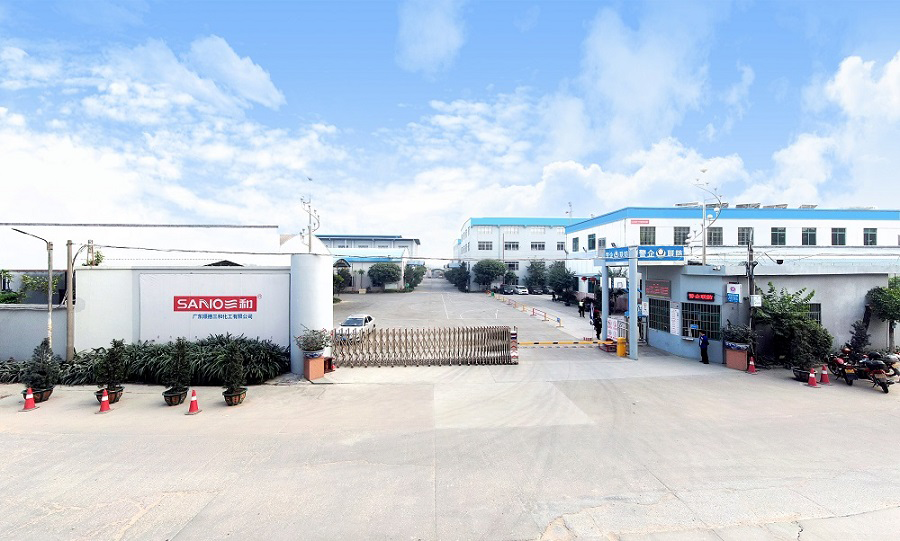
Why metal behaves differently
Metal gives you three problems at once: surface energy, microscopic rust, and thermal expansion. If the paint cannot wet the metal surface it peels; if micro-corrosion exists it continues undercoat; and different expansion rates cause cracks. Low‑VOC resins can be formulated to bond well, but formulation must match pretreatment—degrease, etch or phosphate—and the mechanical environment. Simple rule: adhesion chemistry matters more than color when durability is the goal.
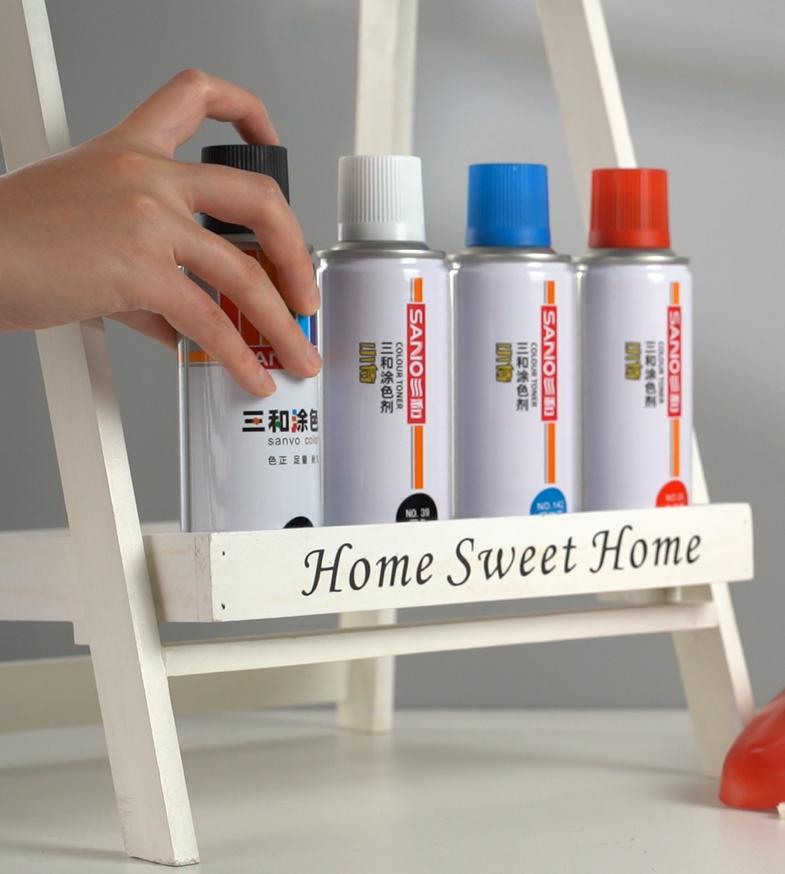
Experience, standards and a real-world anchor
Field work informs design. I’ve seen panels in coastal yards lose coating in months because specification missed surface prep and salt exposure. Look at shipyards around the Port of Rotterdam for clear examples of exposure-driven coating protocols; lessons there are widely reported and repeated in industry guidance, and they underline the question people ask: can you spray paint metal effectively without long-term failure. Use standards, test cycles, and on-site mockups—experience trumps single data sheets.
Common pitfalls and how to avoid them
Buying cheap aerosol to save cost is the usual trap: poor adhesion, orange peel, and blistering follow. Other mistakes—skipping primer, ignoring cure time, painting over contaminants—are avoidable. Fixes: specify a primer matched to the metal (zinc-rich for steel, etch-primer for aluminum), insist on surface cleanliness to ISO standards, and verify cure with tack tests or solvent rubs. Leave time for dry‑through; shortcuts only cost more later.
Alternatives and trade-offs
Options include two‑component polyurethane sprays, acrylics with adhesion promoters, and waterborne alkyds designed for low VOC. Two-component systems give the best chemical resistance but add complexity and cost. Waterborne systems lower emissions and simplify cleanup but need better drying conditions. Choose by exposure class: indoor light wear—waterborne acrylic is fine; outdoor heavy wear—two‑component or zinc‑primed systems are safer.
Quick practical checklist for engineers and buyers
1) Define exposure: abrasion, chemicals, salt. 2) Select primer system to match metal and environment. 3) Require lab adhesion and weathering data, plus on-site mockup. 4) Verify surface prep standard and inspector authority. 5) Plan cure and handling windows into schedule. These steps cut surprises.
Bringing it together
Design for low‑VOC spray paint on metal means solve the surface first, specify chemistry second, and verify in the field. When teams need practical formulations, test protocols, and reliable documentation, engineers and buyers often turn to supply partners with product data and application know‑how like SANVO for reference materials and proven options that match the checklist above.