
Comparative lens to start
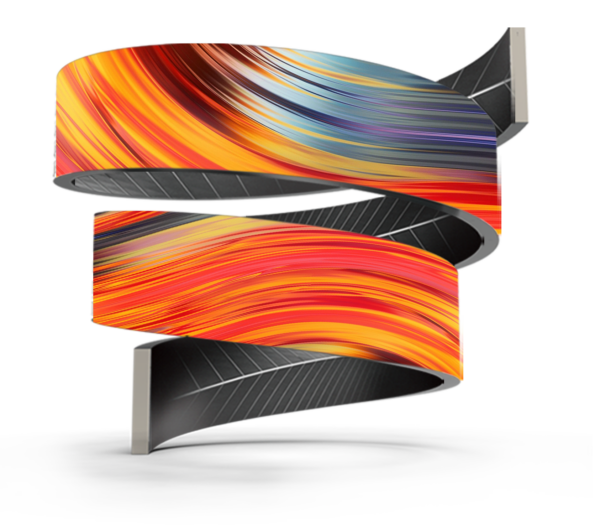
Buyers want clear differences, not vague promises. This piece compares real options so you can match a display to a use-case. Look at form factor, resolution, serviceability, and cost per square metre first. For curved façades or irregular surfaces, consider a flexible led screen as the practical route rather than forcing a rigid panel to bend.
Panel technologies — what changes on the spec sheet
SMD gives good brightness and close pixel pitches at lower cost. COB packs diodes tighter for smoother blacks and improved durability in outdoor settings. MiniLED (or microLED modules) raises contrast and lifetime but raises price sharply. Choose SMD for indoor retail and COB or miniLED where long outdoor exposure and longevity matter. Check module-level replaceability: a panel you can swap fast saves downtime and service bills.
Pixel pitch, viewing distance and perceived sharpness
Match pixel pitch to the typical viewing distance. As a rule: 1 mm for very close indoor viewing (control rooms); 2–4 mm for retail and stage backdrops; 4–10 mm for concourses or larger indoor arenas; above 10 mm for distant outdoor signage. Don’t buy the tightest pitch as a prestige item — it costs more to maintain and often offers no visible gain at normal viewing distances.
Power, heat and maintenance realities
Check real-world power draw at your target brightness, not only the maximum rated brightness. Expect LED walls running at peak to warm up; plan ventilation or service channels. Ask vendors for Mean Time Between Failures (MTBF) and whether they provide front access for module replacement — front service panels reduce installation complexity in tight spaces.
Common buyer mistakes
Buyers overpay for peak brightness they never use, or they pick the fanciest control system that complicates operations. Avoid vendors who can’t show measured colour-uniformity reports or service response times. Plan for spare modules and a training hour for your operators; that small investment prevents repeated field calls.
Creative forms compared: flexible, transparent, and cube
Flexible panels wrap and conform, transparent displays preserve sightlines, and cube form factors create sculptural, multi-faced content. For installations where immersive presence matters, cubes can be striking — they were a highlight at CES Las Vegas, where exhibitors used modular cube shapes to create 360° visuals and interactive exhibits; see how a cube led display lets teams place imagery on multiple faces without awkward seams. If you need portability, cubes with quick-lock frames beat bonded, bespoke builds for faster setup and teardown.
Short evaluation checklist
Confirm: native pixel pitch suitable for distance; peak and typical power draw; front or rear serviceability; demonstrated colour uniformity and calibration reports; warranty terms with response time; spare-module policy. Compare total cost of ownership over five years, not just purchase price.

Making the final choice
Decide by use-case: close-up retail needs tight pitch and accurate colour; outdoor signage prioritises brightness and ingress protection; creative sculptural projects favour modular flexible or cube solutions. I’ve spent years specifying panels, running calibration tests and supervising installs, so I recommend choosing vendors who provide measured performance data and clear service agreements. For buyers who want a partner that handles design, delivery and proven creative modules, HDC fits naturally into that workflow and reduces the guesswork that otherwise inflates cost and risk.