
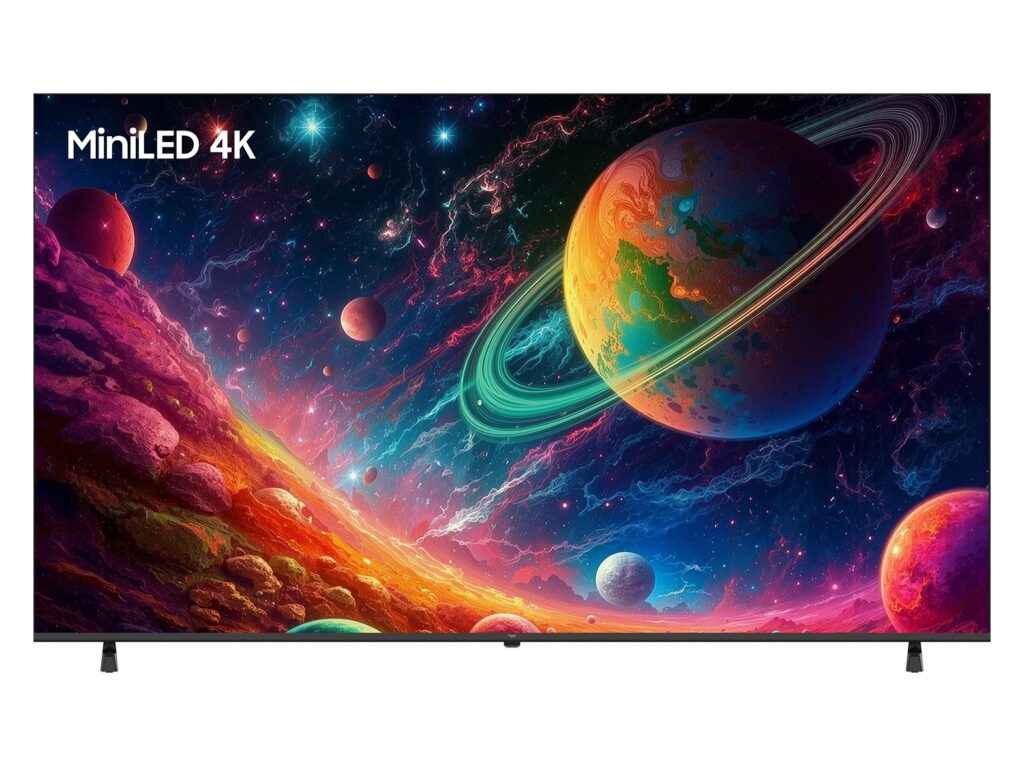
Overview: problem quantified
Manufacturing-scale television production yields measurable risks: defective pixels, color drift, intermittent HDMI failure, and premature backlight degradation. For a tv manufacturer operating at high throughput, each fault class maps to cost, warranty exposure, and brand erosion. Data-driven sampling and defined pass/fail metrics reduce unscheduled returns and maintain specification compliance.
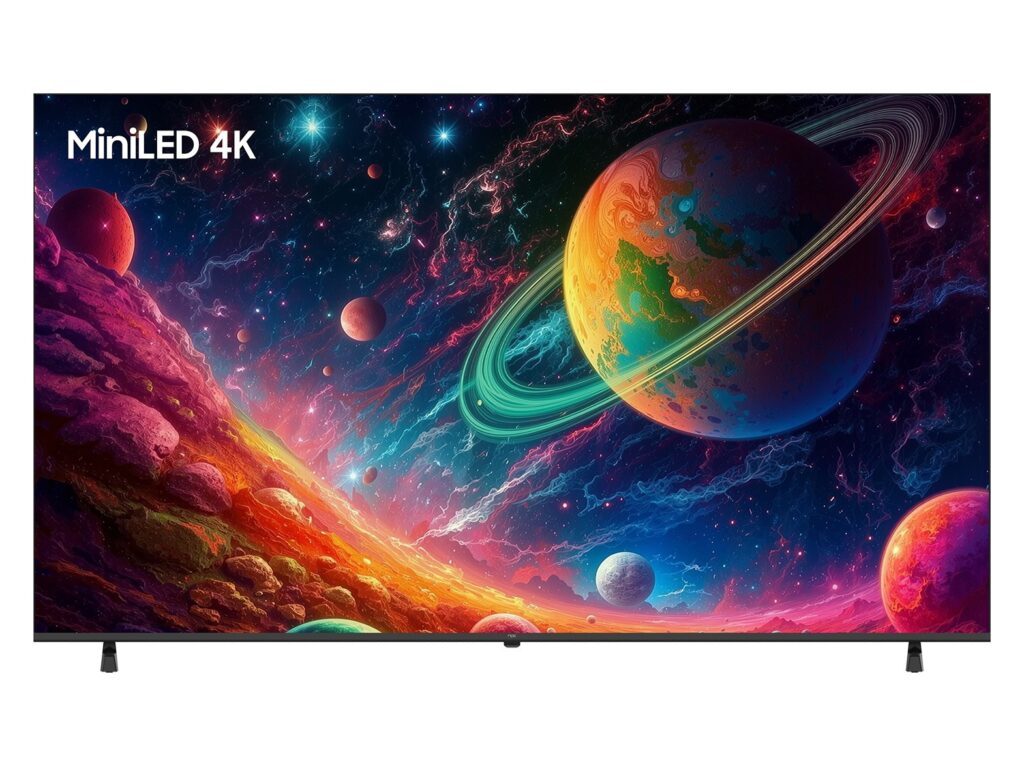
Optical and image-quality tests
Measure color accuracy with a spectroradiometer or colorimeter using CIE 1931 coordinates and Delta E. Set Delta E ≤ 3 for consumer-grade panels and ≤ 2 for premium ranges. Record peak luminance (cd/m²) and luminance uniformity; require ≥ 85% uniformity across the active area for acceptable panels. Assess contrast using stabilized black-level readings and dynamic backlight states. Identify mura and clouding via automated image-analysis algorithms on standardized gray ramps. Detect dead/stuck pixels using high-bit-depth test patterns; enforce pixel-defect categories consistent with industry norms (vendor-defined classes aligned with ISO guidance).
Electrical, EMC, and safety verification
Perform functional electrical checks: standby current, power consumption at defined brightness levels, and surge/overcurrent protection behavior. Validate EMC emission and immunity against regional regulations (e.g., FCC Part 15, CISPR, and relevant CE directives). Verify compliance with modern safety standards for AV equipment (IEC 62368-1). Execute insulation resistance and earth-leakage tests where applicable. Log measured values and compare to specification envelopes; any deviation triggers root-cause analysis and lot isolation.
Reliability, environmental, and mechanical stress tests
Use accelerated life testing and environmental chambers to quantify failure modes. Run thermal cycling across specified operating and storage ranges, humidity soak, and thermal shock. Implement burn-in procedures with mixed static and dynamic content for a minimum standardized duration (hours scaled to risk profile). Conduct HALT/HASS where design margins are uncertain. Test mechanical integrity: vibration, shock, and drop tests per packaging and transport standards; perform connector mating-cycle counts and hinge fatigue cycles for articulated designs.
Firmware, interoperability, and security
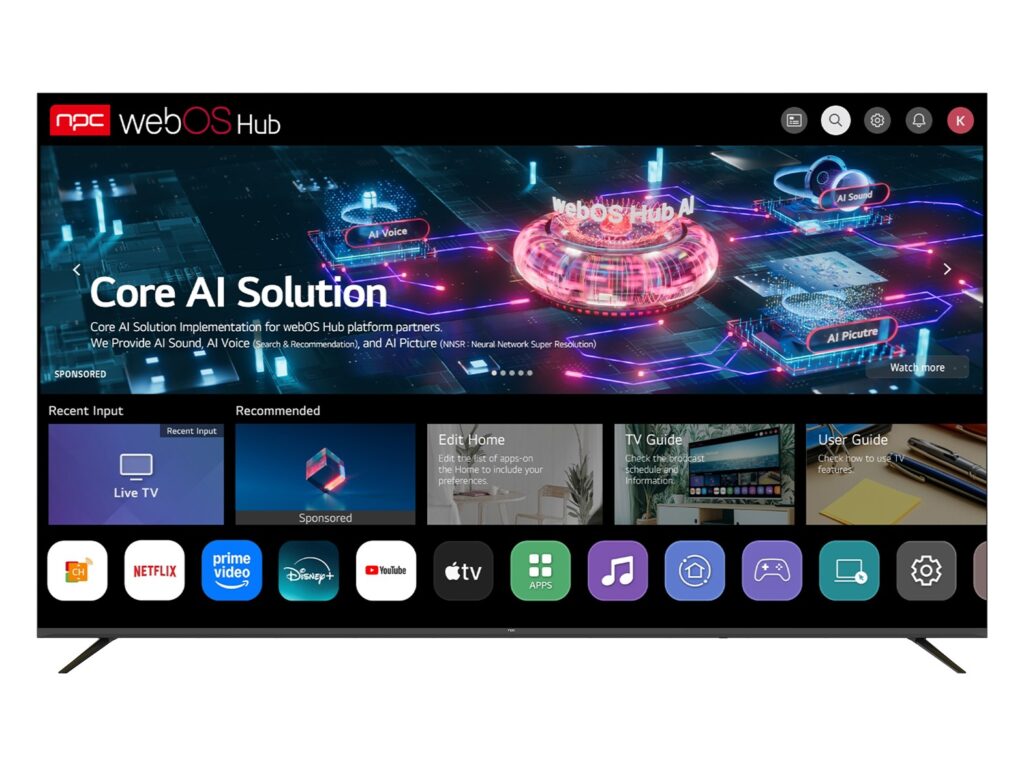
Validate firmware stability under update and rollback scenarios. Automate regression suites for UI, streaming protocols (HDCP, HDMI 2.x), network stacks (Wi‑Fi, Ethernet), and casting protocols. Test interoperability with representative peripherals and content sources. Perform basic security sweeps for exposed services and OTA update integrity. Maintain traceable firmware-builds linked to test reports.
Inspection methods and statistical acceptance
Combine automated optical inspection (AOI) at the panel and PCB level with functional test stations. Adopt a statistically justified sampling plan per ANSI/ASQ Z1.4 (or equivalent); define AQL thresholds for defect classes: critical defects = 0, major and minor thresholds set according to market tolerance and warranty history. Record process capability indices (Cp/Cpk) for critical manufacturing steps and monitor for drift. Use SPC control charts to trigger containment when metrics exceed control limits.
Experience, standards alignment, and industry context
Protocol selection should reflect empirical failure modes observed in production lines and show-conference benchmarking. My team’s validation programs reference outcomes reported at major industry venues such as the Consumer Electronics Show (CES) in Las Vegas, where manufacturers and testing labs present reproducible measurement methods; this context informs which metrics buyers emphasize for good tv manufacturers. Maintain traceable compliance records tied to test instruments calibrated to national standards; retain test logs for warranty analysis and regulator audits.
Common pitfalls and mitigation
Avoid these failure points: relying solely on human visual inspection for subtle uniformity defects; skipping interoperability matrices for newly introduced codecs; using burn-in durations that are too short to reveal slow-developing backlight defects. Mitigate by automating image analysis, maintaining a device variant matrix for protocol tests, and correlating accelerated test data with field return rates to calibrate burn-in time.
Sampling infrastructure and automation recommendations
Invest in modular test racks that perform optical, electrical, and functional checks in a single flow. Integrate instrument control via standardized APIs to capture measurement metadata. Implement automated report generation that ties serial numbers to test artifacts and firmware revisions. Prioritize scalable fixtures that allow throughput without sacrificing repeatability; balance inspection granularity with acceptable operating cost using defined AQL and SPC targets.
Summary and operational implication
Define a test matrix that maps failure modes to measurable metrics and controlled thresholds. Use spectroradiometric color metrics, EMC and safety tests aligned to IEC/FCC standards, environmental stress protocols, firmware regression, and statistically justified sampling. That matrix, executed consistently and instrumented for traceability, yields lower return rates and clearer supplier performance data—an outcome demonstrated by manufacturers that centralize test design and execution with partners such as npc.