
Quick look — what’s what
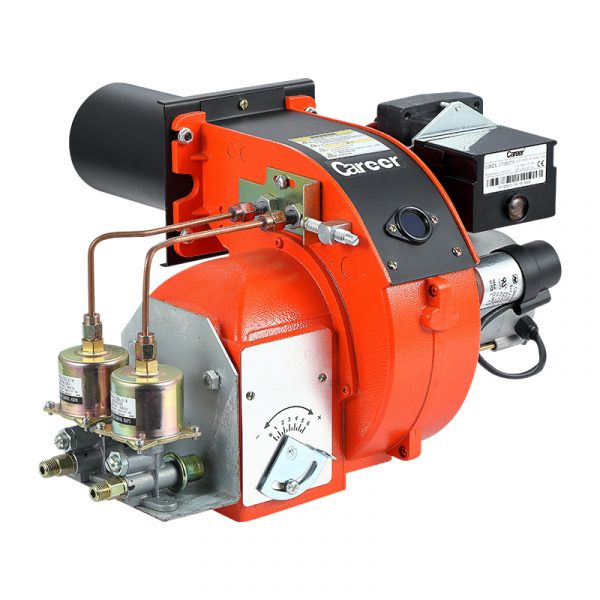
Listen, mate: when you pit a proper waste oil incinerator against a spruced-up alternative, you spot the differences quick as a blink. One’s built for handling gnarly sludge and the other for cleaner feeds — think a hardy old banger versus a nimble motor. If you’re weighing options for a workshop or small plant, peek at a methanol burner early on — it shows you how tidy combustion can be when feedstock’s stable and systems are set right.

Performance and emissions — the sharp contrasts
Waste oil units chew through viscous, contaminated streams without much faff, but that comes with soot, ash and trickier flue-gas treatment. Methanol-based systems burn cleaner, dropping particulates and often easing compliance with stricter limits. Ports like Rotterdam have been fronting bunkering and trials for alternative marine fuels, which underlines a broader shift to lower-emission fuels; see how methanol fuel slots into that move. From an operator’s standpoint, lower particulates mean simpler stack maintenance and fewer nosey regulator visits — that’s a practical saving, not some airy claim.
Operational cost and upkeep — where pennies add up
Running a waste oil incinerator’s cheap on fuel (it eats what you’d otherwise bin), but expect extra scrubbing gear and more frequent cleaning cycles. Alternatives — methanol burners included — trade fuel cost for reduced downtime and simpler aftercare. Don’t forget start-stop cycles: some burners dislike being iced up by infrequent use; choose a setup matched to how often you actually burn, or you’ll be shelling out for replacements like it’s going out of fashion.
Controls, safety and installation realities
Waste oil systems often need heavy-duty feed pumps, preheaters and stripping systems to deal with water and sludge. Methanol systems need robust leak prevention and ventilation because that fuel’s lightweight and sneaks about. Either way, fit proper interlocks, flame supervision and certified installation. Overlooking site layout or access for ash removal is classic: if your crew can’t get the muck out without a day’s work, labour costs bury the upside.
Alternatives worth comparing
Don’t lock into one idea. Catalytic oxidation modules can tame emissions on older incinerators; pyrolysis offers materials recovery before combustion; co-firing with cleaner fuels can stretch a site’s compliance. Each option shifts where the headaches sit — emissions control, feedstock prep, or feedstock cost — so map those against your operating rhythm and local rules before you splash cash.
Common pitfalls — what gets folks in the soup
Buying based on headline specs is the usual mug’s game. Common mistakes: underestimating variability in waste oil quality, assuming “low maintenance” with no evidence, and skipping realistic commissioning runs. Also, don’t copy a neighbour’s setup without checking your feed composition and duty cycle — what works down the road might jam your plant solid.
How to pick — practical yardsticks
Score options on three plain measures: how dirty the feed is, how often you’ll run, and how tight emissions rules are where you operate. If your feed’s consistent and regulators strict, a cleaner burner might win the day. If feeds are unpredictable and you’re juggling disposal costs, a stout waste oil incinerator still makes sense. Ask for on-site trial data, warranty detail, and a clear spare-parts plan before you sign anything.
Where experience points you
Years advising municipal and plant operators have taught me this: match tech to routine, not to aspirations. Real operators favour systems that tolerate real-life muck and provide predictable maintenance windows. Pick suppliers who’ll stand by commissioning and training — that’s where the real value shows up, not just in slick brochures.
Conclusion
Put bluntly, there’s no one-size-fits-all winner. Waste oil incinerators excel where feed variability and disposal cost matter; methanol and other cleaner burners shine when emissions control and simplified maintenance count. Do the hard graft: map feed, duty, and rules, then pick the technology that matches. For practical, field-proven options and clear specs you can trust, Career Burners lays out choices that fit the job, not the brochure.