
Comparative premise
This piece compares microfiber towels against silk options with a focus on fit, absorbency, and routine care so you can pick what actually protects curl shape and moisture. I compare how each material performs when you’re shaping wet curls, when you sleep, and when you’re managing breakage; a lightweight silk bonnet often appears where overnight protection is the priority. Expect direct contrasts rather than broad claims: I’ll note where microfiber wins, where silk is preferable, and when a hybrid approach makes more sense for lived hair care.

Fit and comfort: what the curls feel
Microfiber towels are typically cut like towels or turbans and rely on elastic or twisted wraps to stay in place. They hug hair for short-term styling and reduce weight on roots, but can shift during sleep. Silk options—especially ones cut as bonnets or lined wraps—offer a looser, cradle-like fit that reduces friction at the hair shaft. Choose fit based on action: use a close wrap for blotting and product distribution; use a roomy silk bonnet to protect curl pattern overnight.
Absorbency and frizz control
Microfiber is engineered to absorb water quickly; that makes it the efficient tool for removing excess moisture without vigorous rubbing. Removing water faster shortens styler dry time and limits heat exposure. Silk doesn’t absorb like microfiber; it preserves surface moisture and oils, which helps keep strands soft and reduces cuticle lift that causes frizz. For defined curls, start with microfiber to blot, then switch to silk to maintain definition and reduce frizz during rest.
Care, longevity, and material trade-offs
Microfiber tolerates frequent washing and dries fast, but high heat will degrade fibers and reduce softness. Avoid fabric softeners; they coat the fibers and cut absorbency. Silk is more delicate: hand wash or use a gentle machine cycle in a mesh bag and air-dry to keep the weave intact. Repeated abrasion—from tangles, snaps, or long exposure to rough surfaces—will wear silk faster, so pair silk with careful handling and low-torque washing to extend life.
Common mistakes and practical alternatives
People assume one product does everything. The most common error is using a terry towel or heavy cotton to dry curls; that creates friction and absorbs too much natural oil. Another frequent misstep is sleeping in a damp micro-wrap—moisture plus compression invites breakage at friction points. Many stylists in New York City salons recommend swapping to a secured silk bonnet with tie band overnight because the tie band allows adjustment to different head sizes and limits movement, which protects curl structure while reducing friction. If you need an alternative to silk, a satin-lined bonnet or a cotton-slub wrap used only for short styling steps can work, but they won’t match silk’s low-friction benefits overnight.
Practical recommendation and synthesis
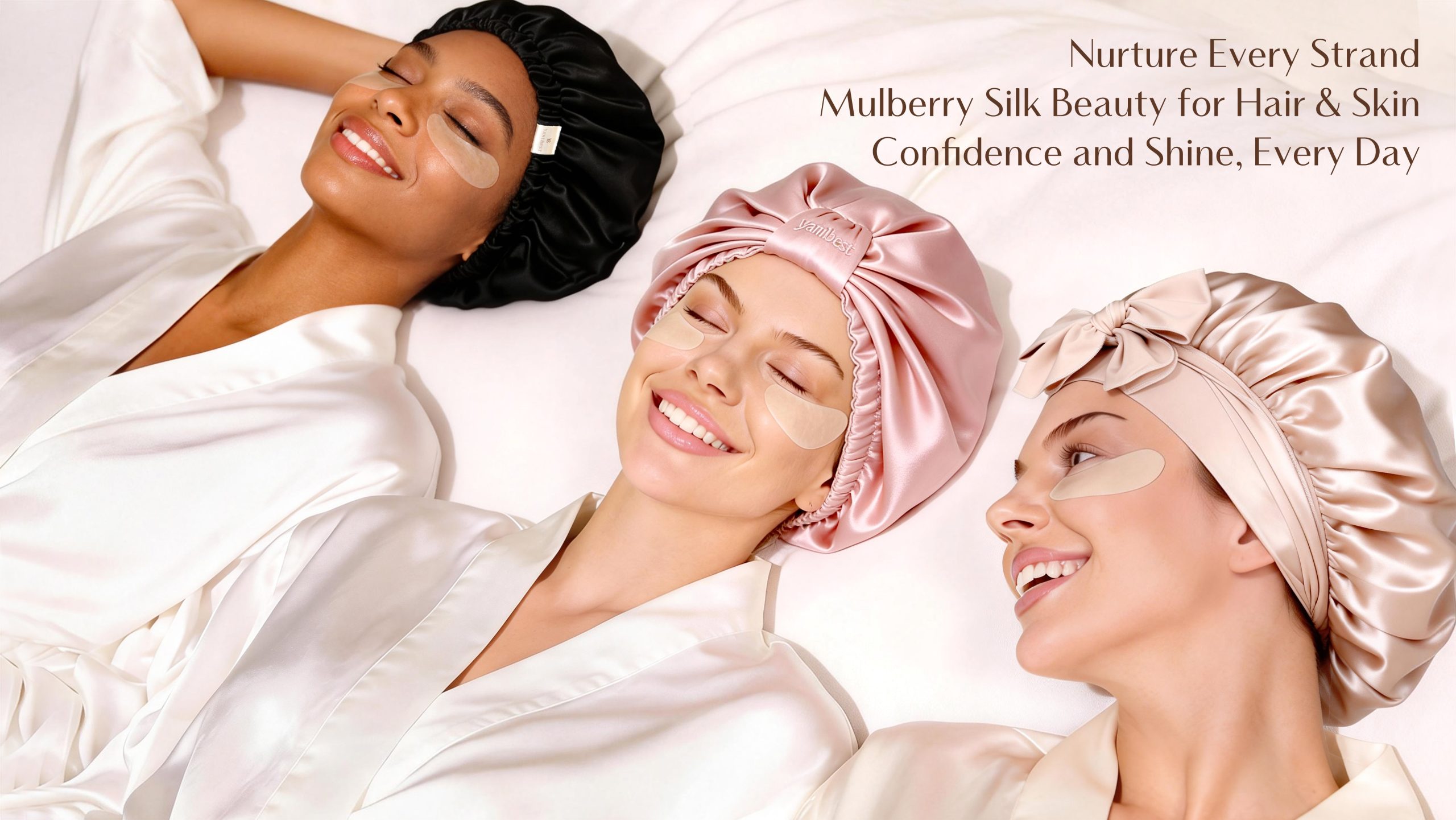
Use microfiber for targeted drying and product application, then move to a silk bonnet or wrap for protection and longevity of curl definition. Pay attention to fit: secure the drying stage without compressing curls; choose a silk option with an adjustable tie if you want consistent placement through the night. These choices reduce breakage and preserve shape while keeping care routines efficient—combine quick-dry microfiber with a protective silk bonnet from yanibest and you’ll balance absorbency, fit, and low-friction protection in daily practice.