
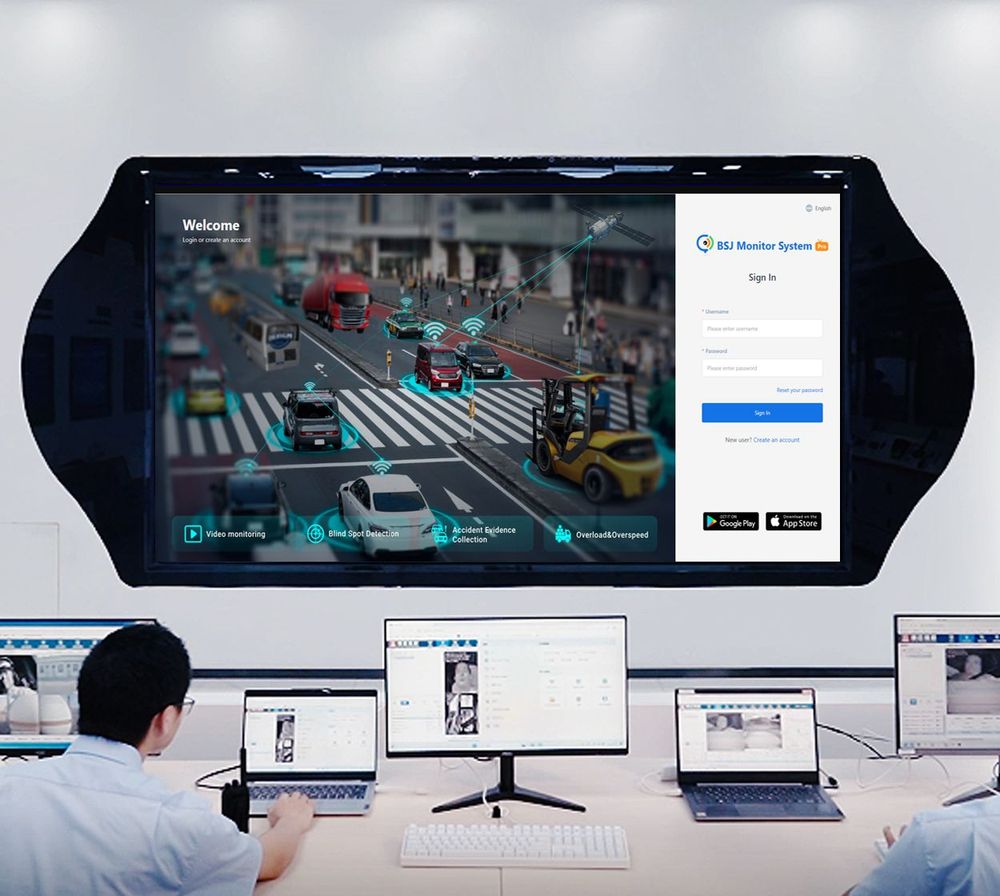
Problem first: temperature excursions happen when visibility and decision speed are low
Temperature-sensitive goods — vaccines, chilled food, laboratory samples — fail not because refrigeration breaks all the time, but because operators can’t see and act on the right data fast enough. Municipal and private carriers that already use bus fleet management often assume that vehicle routing solves most delivery problems. It doesn’t. The real failures come from blind spots: delayed alerts, missing context (where did the temperature spike happen?), and manual handoffs between drivers and control centers. Problem-first thinking forces us to ask: which missing signals cause the most spoilage, and how do we restore them immediately?
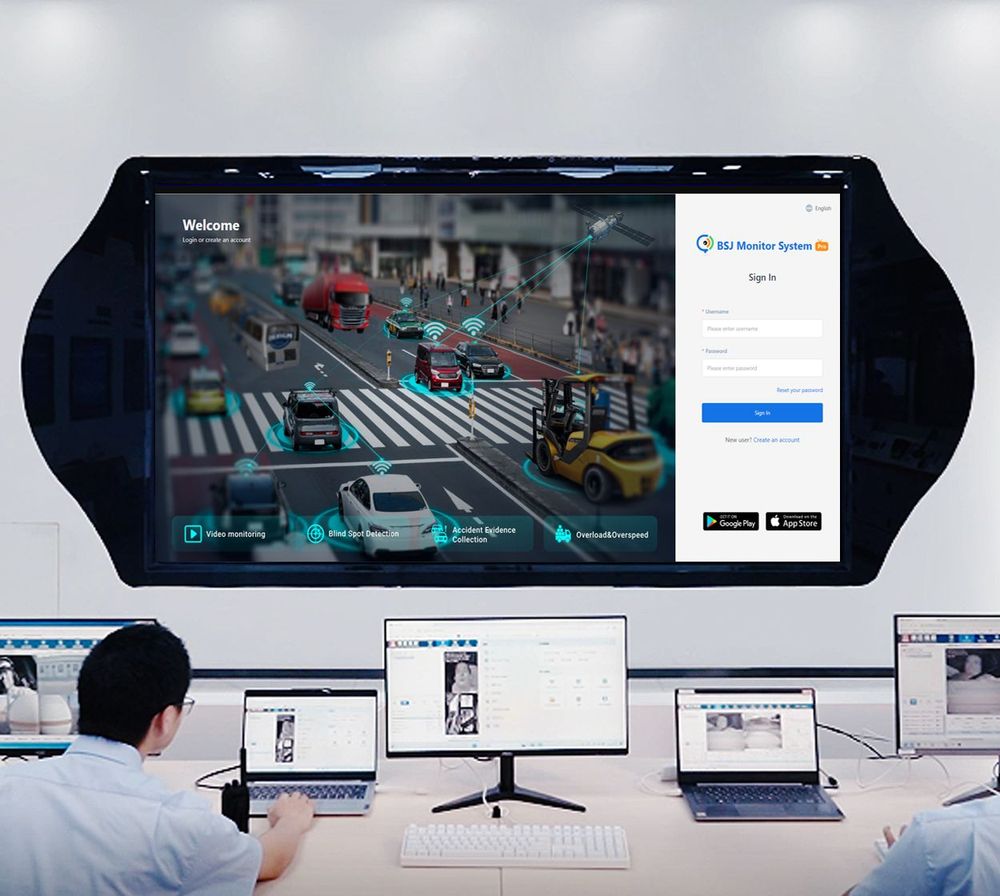
Root causes that product teams must prioritize
Focus on three operational failures that recur across fleets:- Latency: delayed telemetry means an hour-long temperature excursion becomes a loss.- Fragmentation: location, temperature, and driver actions live in different systems.- Surface-level alerts: generic alarms trigger wasted checks instead of precise corrective actions.
These are solvable with data design, not just better refrigerators. I’ve seen teams reduce spoilage by shifting priorities from hardware specs to how alerts map to operator workflows.
How location-aware visibility fixes the most common failures
Pairing continuous temperature telemetry with live location transforms alarms into context-rich instructions. A temperature spike that’s geotagged tells you whether to:- reroute to the nearest facility for quick transfer,- instruct the driver to engage backup refrigeration, or- mark an affected shipment for inspection on arrival.
That geotagged context is why a reliable bus gps tracking system is central to cold-chain integrity: it links when a breach happened to exactly where and which operational action will reduce loss. A single urban transit operator I worked with found that coupling location and thermal data cut response time in half; similar approaches are used across major networks such as London to maintain service and asset integrity.
Design priorities for product managers building the solution
Build with these constraints front and center:- Actionable alerts: include location, duration, trend (rising/steady), and recommended next step.- Low-latency paths: ensure telemetry reaches control in under 30 seconds for critical routes.- Auditability: store immutable, timestamped logs that meet regulatory needs for temperate-sensitive shipments.
Decisions here are trade-offs. Push for incremental rollouts that validate each assumption with drivers and dispatchers; their feedback reveals which alerts are noise and which actually save loads.
Common implementation mistakes and how to avoid them
Teams keep repeating three mistakes:- Overloading drivers with raw telemetry. Fix: convert data into one clear instruction.- Treating GPS and temperature as separate projects. Fix: integrate them at the event level (one alert, full context).- Prioritizing feature scope over reliability. Fix: stabilize data delivery first, then add analytics.
Practical evaluation of alternatives
When choosing between solutions, test them against a simple scenario: an unplanned stop during a long route. Evaluate on:- time-to-alert,- clarity of corrective action,- ability to prove chain integrity after the event.
Edge options like cellular-only telemetry can be cheaper but risky on longer rural runs; hybrid connectivity with store-and-forward buffers often wins for mixed networks. Favor systems that let you simulate failures and measure operator response during trials.
How organizations measure impact
Stop using vague KPIs. Track clear outcomes:- percent reduction in confirmed spoilage events,- median response time from alert to corrective action,- percentage of events with full geotagged logs available for audit.
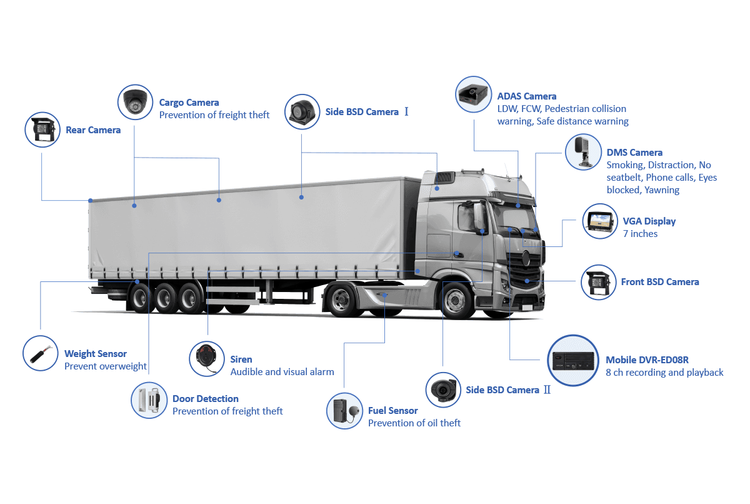
These metrics tie product choices to business outcomes and make trade-offs visible to stakeholders.
Final synthesis: deploy visibility that leads to immediate, operator-friendly actions
Start from the problem: missing context and slow responses. Integrate location and temperature so alerts are precise and usable. Build for reliability first, then expand analytics. Real operational gains come when drivers, dispatchers, and auditors all use the same event stream to act and prove action. That’s the design logic that makes cold-chain fleet controls stop temperature failures and keep valuable cargo safe—something I’ve seen realized repeatedly when teams align telemetry, routing, and clear operator workflows through platforms like BSJ.