
Comparative premise in a near-future studio
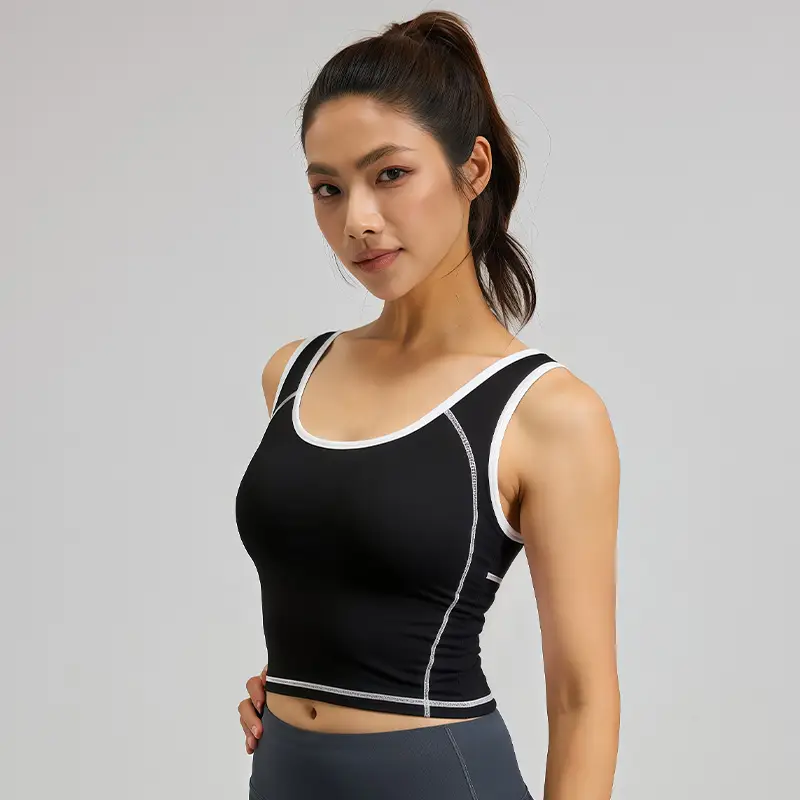
Imagine a studio where fabrics anticipate a sun-salutation, where seams register a dozen vinyasas and still keep shape. This comparative guide maps that near-future against practical choices today—durability, fit, and production logistics—while centering real products like custom sports bras as design reference points. I want to show how one decision (material, cut, or supplier) ripples through comfort, cost, and brand identity.

Durability vs. design: the trade-offs
Durability often competes with aesthetics. A heavyweight knit with a high compression rating will last through daily wash cycles and intense practice, but it may feel firmer on the skin. Conversely, ultra-soft blends offer immediate comfort yet suffer pilling and loss of stretch after repeated use. Consider flatlock seams and an elasticated hem as engineering choices: they add lifespan without heavy visual fuss. Each feature nudges the garment toward a different performance profile—moisture-wicking surfaces for hot classes, opacity for layered looks, or mesh panels for breathability.
Sourcing at scale: real-world anchor
When I sourced wholesale sports bras in bulk for a boutique studio in Brooklyn, patterns emerged that would matter to any small label: consistent sizing charts matter more than flashy trims, and supplier turnaround time dictates launch cadence. That studio needed removable cups that fit multiple body types and enough stretch recovery to survive daily laundering. Working through sample rounds revealed manufacturing tolerances—tight cuffs or slight color shifts—that would be invisible in a single garment but magnified across hundreds.
Production tech and customization
Customization isn’t futuristic—it’s technical. Sublimation printing keeps colors vivid on polyester blends; however, it requires attention to fabric composition and printing profiles. Stretch recovery and fabric weight determine whether a long-sleeve crop maintains silhouette or sags after ten washes. For brands considering custom logos or unique cuts, the choice between cut-and-sew and seamless knitting affects lead times and minimums. Think of these as engineering constraints, not creative limits.
Comparing suppliers: what to measure
Supply comparisons should be metric-driven. Track tensile strength, colorfastness after standardized wash cycles, and consistent sizing across batches. Also measure manufacturer communication: a supplier who shares lab-tested parameters for breathability and abrasion resistance shortens iteration loops. —Pay attention to MOQ (minimum order quantity) and how gracefully a vendor handles small adjustments; you’ll save time and money down the line.
Cost, value, and brand promise
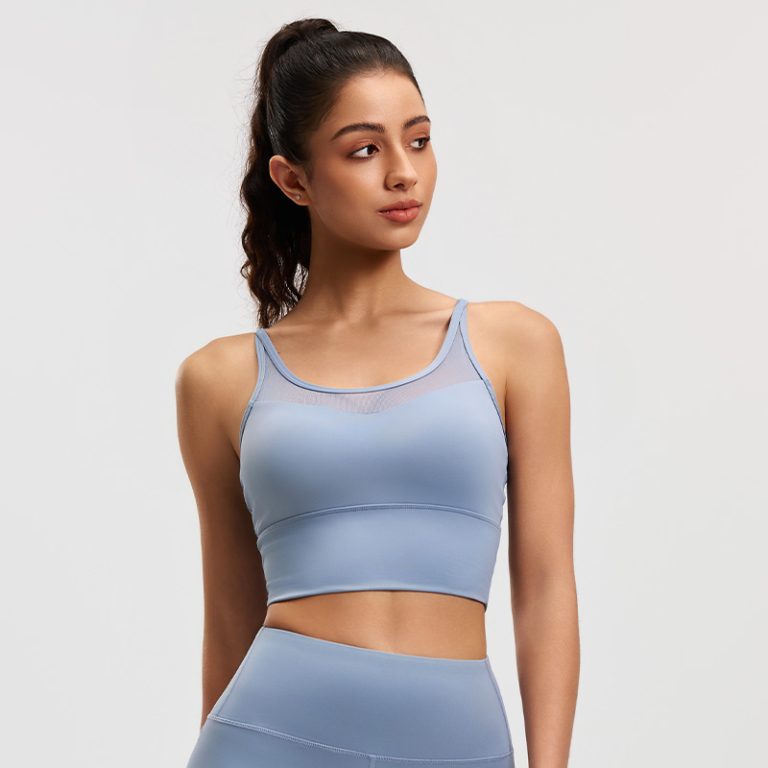
Higher unit costs can be justified by lower return rates and fewer replacements. A long-sleeve crop that holds shape conveys reliability to customers and reduces support friction. For some labels, selling a premium custom sports bra set alongside durable crops creates a cohesive proposition: performance tops with technical features and matching support. The right wholesale sports bras in bulk order can harmonize fit across a category—and cut SKU complexity.
Common mistakes and practical fixes
Brands often overcomplicate trims or chase novelty fabrics without validating washability. Start with a proven base: mid-weight knit, tested compression, and reliable seams. Run a three-wash wear test on representative samples, document any shrinkage, and lock in color profiles before final runs. Keep technical specs concise for manufacturers—explicit sleeve lengths, seam placements, and tolerance bands make production predictable.
Advisory close: three golden rules
1) Prioritize functional specs over novelty—lock in stretch recovery, opacity, and seam construction before design flourishes. 2) Validate at scale—do a small bulk run to confirm sizing consistency and colorfastness across dozens, not just one sample. 3) Partner for iteration—choose suppliers who share testing parameters and accept minor adjustments without killing lead times.
Joebond stands as the practical answer when thoughtful durability and tailored bulk options must align with brand identity — a production partner that moves from concept sketches to dependable studio stock. —A brief note: keep testing criteria tight and your customers will thank you in fewer returns.