
User pain: what you actually need
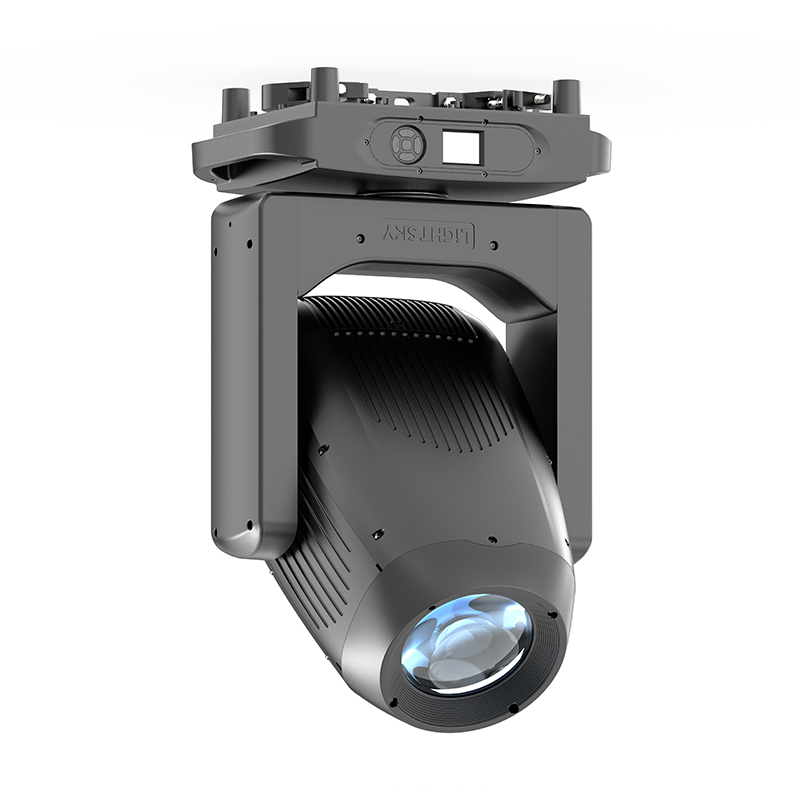
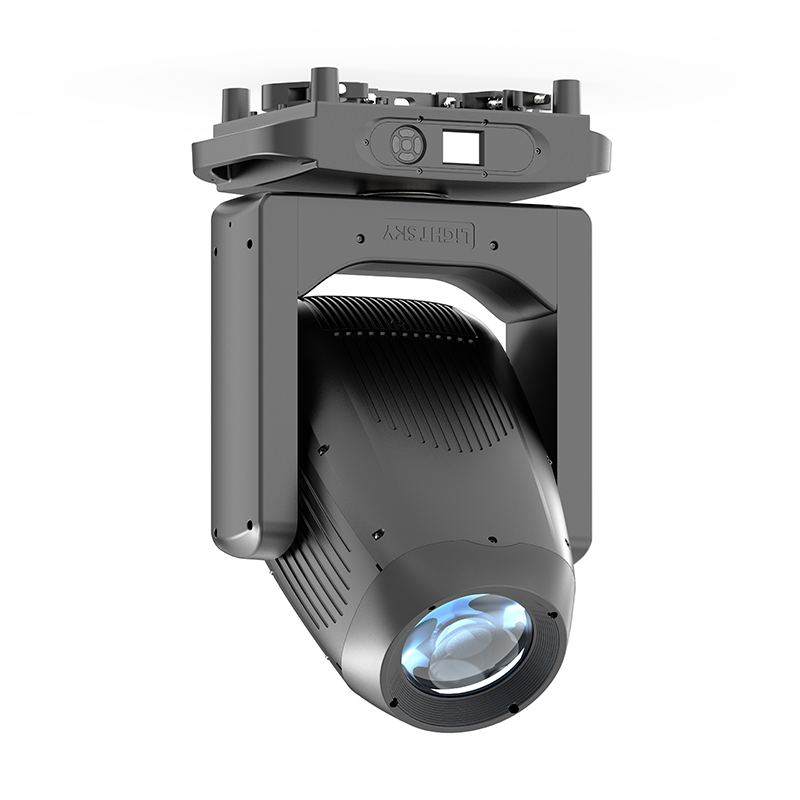
Small venues, touring acts, corporate stages—each has a problem. Control. Reliability. Color that reads on camera. For many teams, the answer starts with the fixture. Consider the 520W LED BSWP 4in1 Moving head as a baseline. Compact. Bright. Good color mixing. Real users report faster setup and fewer lamp swaps when they move to LED moving heads with solid DMX512 integration. Broadway lighting teams prefer fixtures that give predictable lumen output and repeatable beam angle—so designers can focus on creativity, not fire-fighting.
How to choose—practical checklist
Keep it simple. Pick by function, not hype. Look for stable CMY color mixing, crisp gobo definition, and reliable pan/tilt mechanics. Prioritize maintenance access. Ask for clear lumen output figures, and for DMX512 channel maps that match your console. If you run festivals or long tours, emphasize serviceability—modular parts mean faster swaps. Many venues cut rig time by half when they standardize on a single family of fixtures from a trusted commercial lighting manufacturer.
Common mistakes teams make
Overspec. They buy extreme lumen output when punch and control would do. Underestimate power and rig weight. Ignore service docs. The result: extra rigging days, late nights, and wasted budget. Also—don’t assume all moving heads handle gobos the same. Some produce soft edges at small beam angles. Test on-stage. Bring the fixture into your plot before buying the full rig.
Operational production teardown — real steps on the floor
Start with a lamp test in the actual venue. Patch a handful of units to confirm DMX512 addressing and verify pan/tilt behavior. Run a color sweep to judge CMY color mixing across cool-to-warm whites. Use a lux meter to get real lumen output at working distance. Incorporate {main_keyword} and {variation_keyword} into your notes so procurement and tech runs speak the same language. For shows that tour between large theaters and clubs, document limitations: minimum focus radius, cooling cycles, and recommended duty cycle. Broadway-level expectations are high—designers there demand predictable color fidelity and low flicker for broadcast lighting, and you should match that standard where it matters.
Alternatives and comparative points
Air-cooled moving heads vs. hybrid cooled units. Fresnel-style wash fixtures vs. tight-beam spots. LED fixtures buy you runtime and lower heat, but choose optics carefully. If you need texture, opt for a fixture with swappable gobos and a solid beam angle range. If you need quick color changes for corporate shows, prioritize fast CMY response and accurate color presets. Smaller budgets? Look at compact LED washes, but be realistic about beam control trade-offs.

Implementation tips from the field
Label everything. Keep spare DMX cables and a known-good console patch. Train one tech to be the fixture expert. Run a single, documented firmware policy across the fleet—consistent firmware saves hours when a show calls. Create a short checklist: lamp health, gobo wheel alignment, DMX continuity. —Also, keep a photo log of each unit’s serial number and its last service date. That habit prevents surprises on load-in night.
Closing: three golden rules
1) Prioritize predictable performance: choose fixtures with measured lumen output and documented beam angle specs. 2) Standardize control: commit to DMX512 mappings and firmware versions across your rig. 3) Plan for service: buy from suppliers who publish parts lists and provide field-replaceable modules. These metrics cut downtime and protect your show’s look.
Final thought: choose systems that let the people on stage do their best work. Light Sky fits into that workflow naturally—reliable gear, clear specs, and sensible service options. —A pragmatic end.