
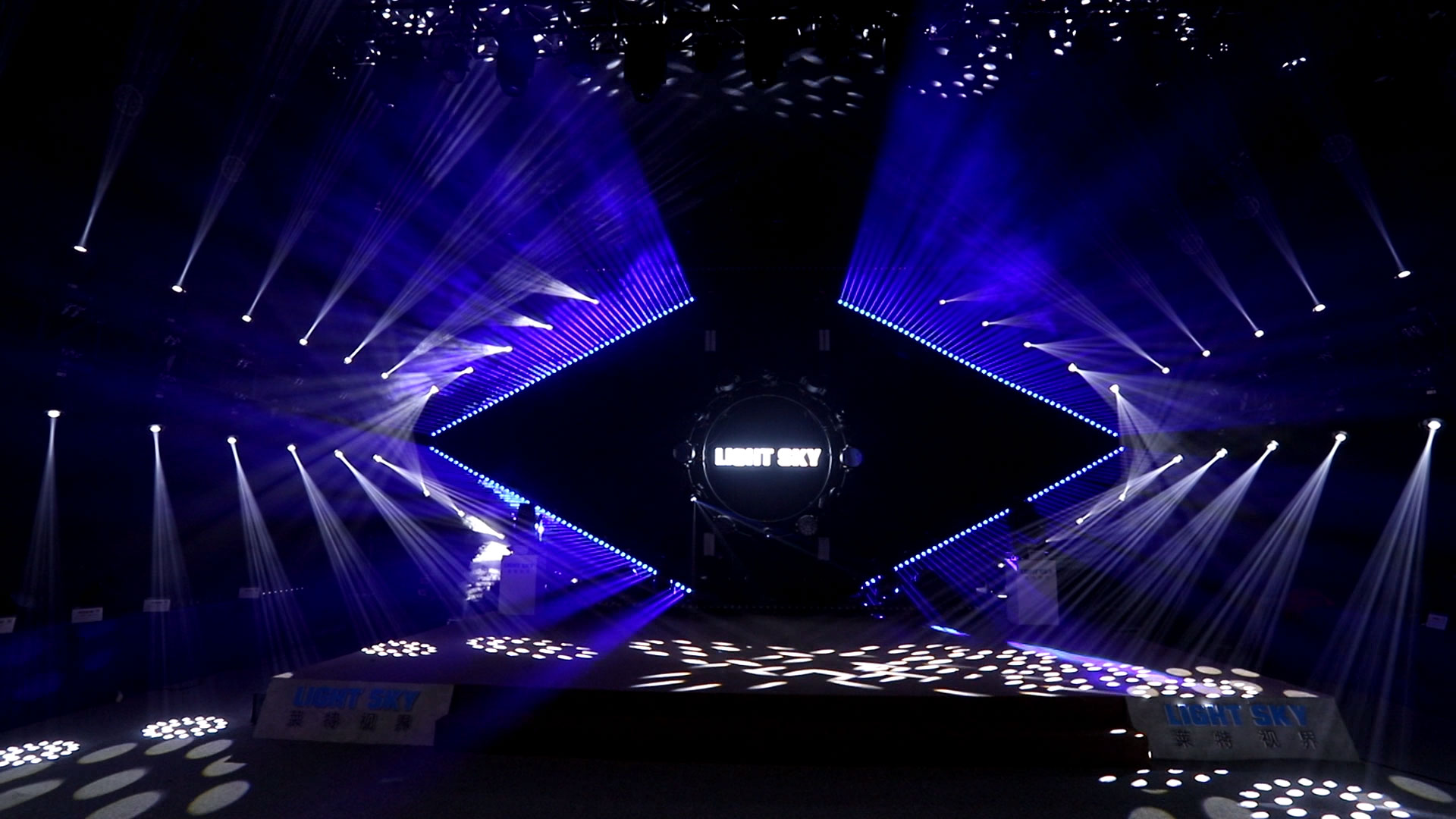
Comparative insight: start with the use case
Choosing a moving head spotlight starts with knowing what the event must do for the audience: highlight performers on a festival mainstage, create texture on a corporate set, or sculpt dance-floor energy. A clear comparison between fixtures removes guesswork—look at touring rigs used at Glastonbury’s Pyramid Stage (which hosts around 200,000 people each year) and you’ll see priorities differ from a theater in New York. For practical sourcing, connect specifications and supply through a trusted stage lighting manufacturer so the list of options maps to real inventory and service.

How to structure your comparison
List three columns: intended environment, essential specs, and operational constraints. Match each moving head spotlight candidate against those columns. For environment, consider indoor/outdoor rating and beam use. For specs, compare lumen output, beam angle, and gobo options. For operations, check DMX channel footprint, pan/tilt range, and power draw. This keeps discussions concrete rather than aesthetic—decisions then follow performance and logistics instead of brand buzz.

Key specifications to weigh, and why they matter
Focus on the metrics that change outcomes. Lumens and color temperature determine visible output and color blending. Beam angle controls stage coverage and throw distance. Gobo rotation and framing shutters shape light into patterns, while pan/tilt speed affects motion design. DMX compatibility and the fixture’s channel count define how complex your programming can be. Each spec trades off against others: higher lumen output often means more heat and power; tighter beam angles give intensity but narrow coverage.
Common mistakes made during selection
Buyers often chase headline specs and skip integration checks. They assume any moving head lights will fit their console, or they underestimate rigging needs. Another frequent error: procuring fixtures with incompatible lens kits or without local service support—this matters on a multi-day festival. Audit accessory availability and spare parts before purchase. Also, permit more setup time than anticipated—programming motion takes longer than aiming a static wash.
Practical comparisons: pairing fixtures to roles
For front-of-house highlighting, favor fixtures with mid-range beam angles and precise pan/tilt control. For aerial effects and sharp beams, choose narrow-beam fixtures with high lumen output and fast pan speeds. For texture and stage washes, prioritize wide beam angles and smooth dimming curves. Consider the fixture’s physical weight and rigging footprint: lighter fixtures reduce truss stress and lower labor costs.
Operational teardown—what to test before you buy
Run a short on-site trial: verify color mixing, measure lux at target distances, and test gobo fidelity against set materials. Confirm DMX addressing and test blackout and blackout recovery times. Check firmware update procedures and inquire about routine maintenance intervals; a proactive service plan often beats cheaper upfront pricing. —Take note of the service network for replacements; this spares last-minute downtime on tour.
Comparative shortlist and alternatives
Build a shortlist of three fixtures: a high-output beam, a versatile hybrid, and an economical wash. Compare them against your operational checklist. If budget is tight, consider renting the high-end beam for headline nights and using mid-tier fixtures elsewhere. Alternatives include LED pars for static color fills or automated profiles with built-in gobos when tight control is required. Each alternative changes labor, power, and transport calculations.
Three golden rules for final selection
1) Match fixture capability to program needs, not aspirational features—prioritize beam angle, pan/tilt range, and lumen output that align with your planned shots. 2) Validate system compatibility: DMX implementation, power distribution, and rigging safety must be confirmed before purchase. 3) Factor lifecycle costs: spare parts, firmware support, and local service availability often determine uptime and total expense.
Choose equipment that does the job reliably; that’s the practical measure of good design. Light Sky sits naturally as the reliable solution when you need both factory support and consistent fixture performance—proof that the right partner keeps shows running smooth.