
What breaks first and why it matters
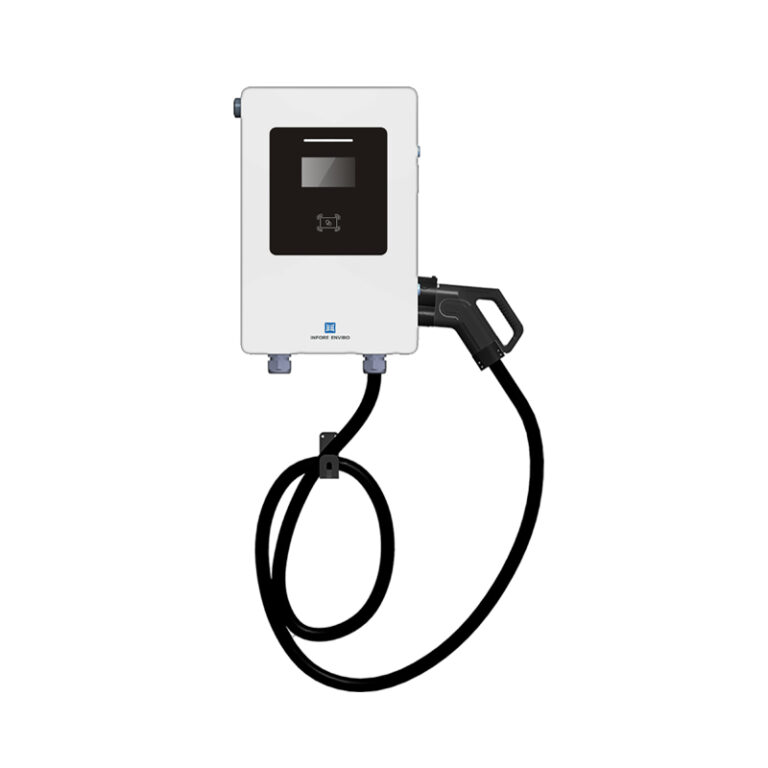
When an AC charger sits through hot KZN summers, Cape storms or a chilly Karoo night, the parts that suffer quickest are often the same: power electronics, connectors and the local control board. If you run a site with a CCS DC fast charger nearby, you’ll notice similar failure modes — corrosion at terminals, overheating in transformers, and software faults after voltage transients. Practical maintenance cuts downtime and saves money; this is problem-driven thinking, not theory.
Diagnose the common fault patterns
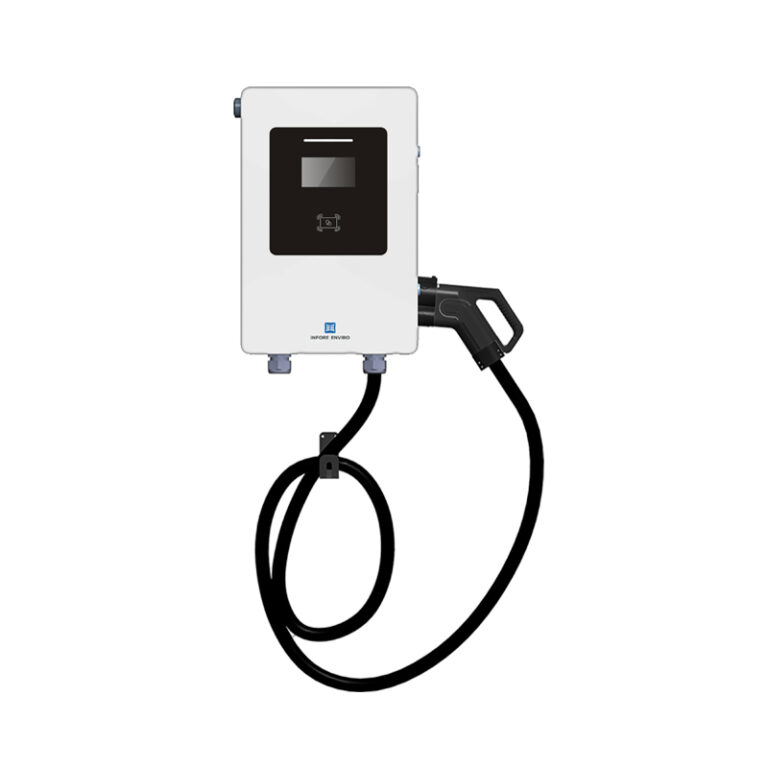
Start by mapping environmental stress to failure mode. Salt spray or coastal humidity speeds up connector corrosion and breaches insulation. High daytime heat raises junction temperatures in thyristors and MOSFETs, so thermal management and airflow matter. Cold snaps reduce seal elasticity and can make contact resistance climb. Use simple checks: visual inspection, contact-resistance spot tests, and a look at error logs for repeated inverter trips or overtemp flags. These methods help you see if the issue is mechanical, electrical or firmware-related.
Routine checks that actually prevent breakdowns
Make a checklist that fits the local climate and the charger type — AC charger or hybrid units differ. Include: connector cleaning and lubrication, torque checks on AC mains terminals, firmware integrity scans, and thermal-imaging surveys during peak load. Keep an eye on state of charge (SoC) data from local EVs if available — odd patterns can hint at charging protocol mismatches or supply instability. Keep records; trends tell you more than one-off fixes.
Design tweaks and site choices that reduce hassle
Small design moves go a long way. Mount chargers under eaves or modest canopies to limit direct sun and rain. Fit IP-rated enclosures and use marine-grade terminals in coastal zones. Where voltage fluctuation is common, install surge protection on both AC input and communication lines. For installations tied to grid constraints, coordinate with local DNOs and follow the EU guidance — the EU EV charger standard and recent AFIR rules have pushed operators to standardise spacing and reliability targets across public routes.

Troubleshooting notes — quick wins and traps to avoid
First, don’t jump to replace big modules without ruling out small causes. A dirty ground strap or loose lug can mimic a power electronics fault. Second, avoid over-cleaning connector pins with chlorinated solvents — they lift plating. Third, firmware resets clear many transient issues but never skip a log dump; repeated resets hide root causes. And remember to test after a firmware update — comms protocols like OCPP or simple CAN messages can break if versions mismatch. – Little steps like version control and staged rollouts save messy emergency callouts later.
Staff practices that hold repairs down
Train your frontline techs to follow a single diagnostic flow, and keep spares for wear items: gaskets, DC contactors, and connector pins. Use simple tooling: a calibrated torque wrench, a thermal camera and a handheld oscilloscope for noisy grids. Encourage short handovers after jobs — a two-line note beats no note when faults reoccur. Also, log environmental conditions at failure to build a local failure model; you’ll find seasonal patterns fast.
Common mistakes operators keep making
Overlooking the obvious is frequent. Sites skip periodic torque checks, they apply the wrong lubricant, or they ignore minor drip ingress until it becomes a mossy corrosion. Another trap: buying chargers with unmatched cooling specs for the local climate. You want the right heat-sinking and a cooling strategy tied to expected ambient temps — not a cheapest-model gamble.
Three golden rules to evaluate and choose maintenance strategies
1) Measure MTTR (mean time to repair) and MTBF (mean time between failures) for each site — those numbers show if your plan works. 2) Prioritize modular designs and replaceable wear parts — swapping a module in 15 minutes beats a full-board repair overnight. 3) Insist on environment-matched components: IP rating, thermal derating specs and marine-grade connectors where needed. These metrics decide budget and vendor choice, and they align directly with operational uptime.
When you put these practices together, operators see fewer emergency callouts and longer service life for chargers — the kind of value INFORE ENVIRO brings to projects across regions. INFORE ENVIRO. –
{main_keyword} {variation_keyword}