
Introduction — a shop-floor Sunday and a surprising stat
One Sunday I stood in a small metal shop while the owner pointed at a cloudy corner and said, “We just can’t get rid of this.” That simple scene is probably familiar to many of us who work with industrial ventilation: dust settles, weld fumes linger, and workers cough more than they should. A recent industry note I read mentioned that poorly designed capture systems can reduce effective particulate removal by up to 40%—so, what are we missing?
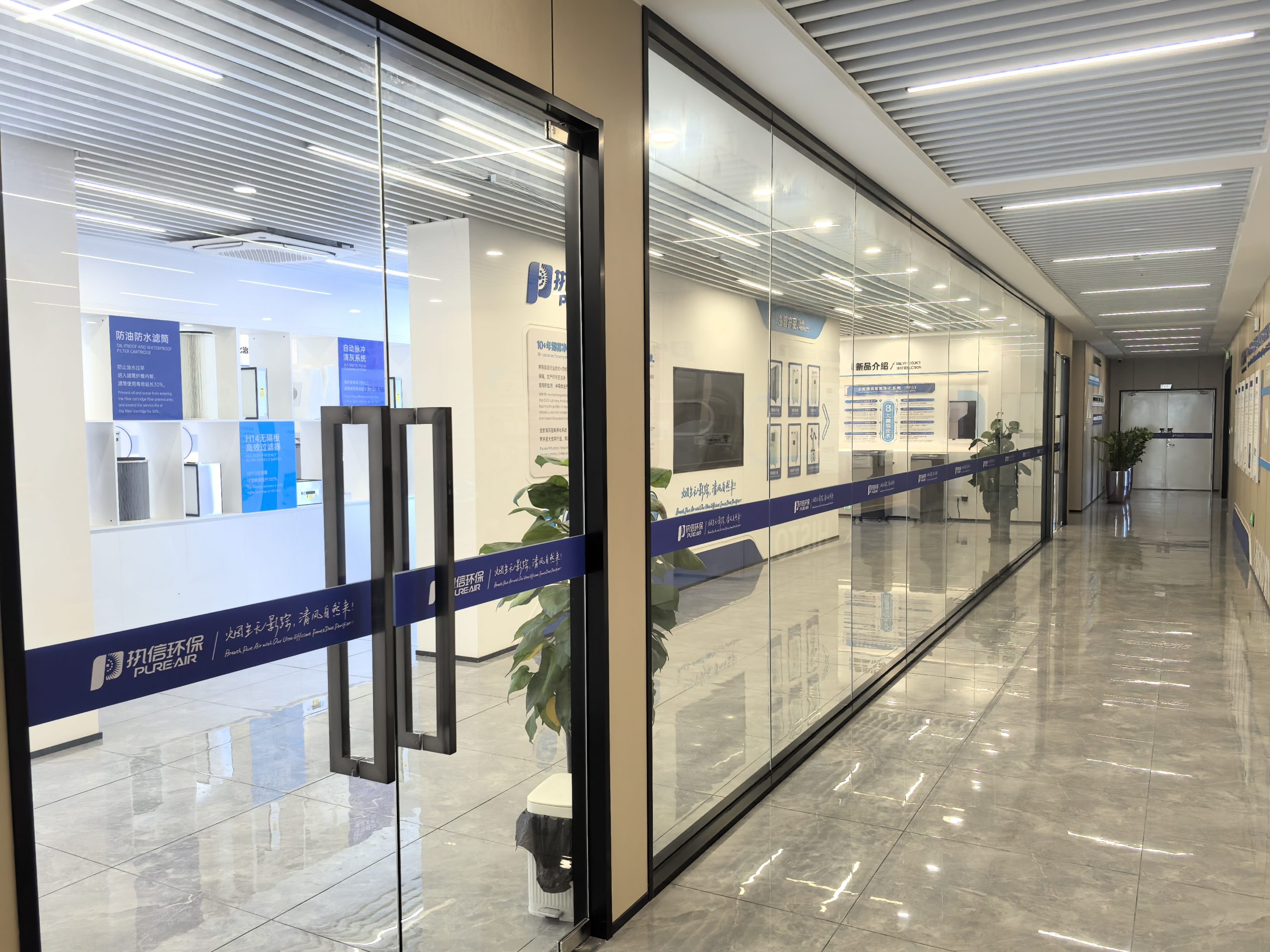
I want to be gentle here: fume extraction companies are often pulled between tight budgets, tricky ductwork, and hurried installs (I’ve been there). I’ll walk you through what I’ve learned—clear, careful, and practical—so you can ask better questions and push for meaningful change. Let’s move from worry to a checklist that actually helps.
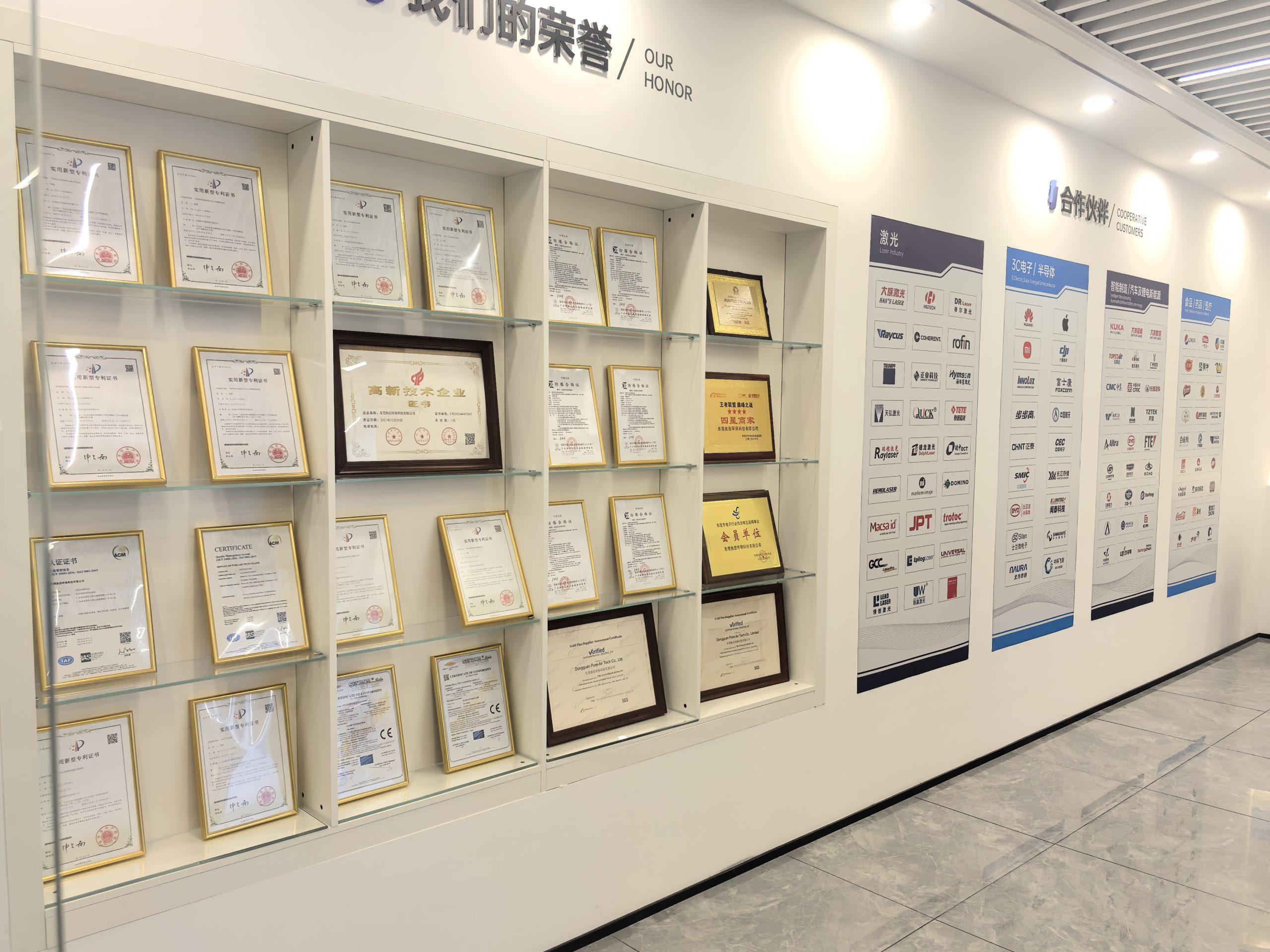
Now, let’s dig deeper into why standard fixes so often fall short—and what that means for real shops like the one I visited.
Part 2 — Why common systems fail: a technical look at hidden faults
fume collector companies are usually judged by fan size and filter grade, but those metrics alone hide the real problems. I’ve reviewed dozens of installs where the nominal airflow looked fine on paper, yet capture at the source failed. The issue often sits in mismatched ductwork, poor capture hood design, and mis-specified filters. From a systems view, filtration efficiency means little if the hood misses the plume; airflow dynamics trump a higher-MERV filter if the air never reaches it. I call that the “plume gap.”
Why do standard systems fail?
Technically speaking, many designers focus on static specs: fan cubic feet per minute, filter class (HEPA filters or MERV ratings), and motor horsepower. But they underrate turbulence, pressure loss across long runs, and junction losses. I’ve seen a perfectly good HEPA unit crippled by 30 feet of narrow, porous ductwork. Add in power converters that are undersized and you get inconsistent speed control—so the fan never actually runs where the plan said it would. Look, it’s simpler than you think: measure at the capture point, not at the blower. — funny how that works, right?
In practice, users complain about noise, maintenance downtime, and hidden costs (filter disposal, service visits). These are not small annoyances; they shape how people operate the plant every day. When managers skip simple acceptance tests—smoke tests, velocity readings—they accept a system that underperforms. I strongly recommend adding one more step to commissioning: a real-world capture test with an operator present. You’ll learn faster than from drawings alone.
Part 3 — New principles that will shape the next wave
Looking ahead, I’m convinced the next wave of improvements won’t come from just bigger fans. Instead, they’ll come from smarter system design and occupant-focused measures. I’ve been following innovations that combine variable-speed drives, modest edge computing nodes for local monitoring, and adaptive hood geometry. These principles aim to keep capture efficient while cutting energy use. When we apply them, the result is quieter plants, longer filter life, and fewer surprise service calls.
What’s Next?
For anyone comparing vendors, here’s what I now look for: dynamic balancing capability (not just a static cfm rating), readily measurable capture at the hood, and sensible maintenance pathways that the shop can actually follow. I’ve watched pilot installs where simple feedback loops—sensors measuring airflow and particulate levels—reduced filter changes by 25% and energy by 15%. That’s measurable, usable improvement. — and yes, it required modest upfront work to train operators.
To help you evaluate providers, here are three practical metrics I lean on when choosing solutions: 1) Source capture rate measured at the hood (not just system cfm); 2) Pressure loss across the system and expected filter lifespan; 3) Ease of local control and diagnostics (can your shop tech read it?). These are measurable and frankly, they separate solid offers from marketing fluff. I’ve seen the difference in both small machine shops and larger fabrication floors, and I trust these measures because they reflect daily realities—not just lab numbers.
In closing, I believe we can have cleaner air and simpler operations without heroic budgets. If you want a partner who understands those trade-offs, look for companies that prioritize capture testing, sensible airflow dynamics, and realistic maintenance plans. For a practical starting point and partnership guidance, consider reaching out to PURE-AIR. I’d say: ask the hard questions, insist on a capture test, and don’t accept vague promises—your team deserves better air, and you can get there with the right plan.