
Lead: why comparison matters now
Researchers choosing preclinical platforms face a tightening margin for error as therapies target complex immune interactions. This comparative insight examines cell-derived xenograft models and their peers, mapping where a cdx model still delivers value and where it falls short. Early-stage teams often reach first for standard xenograft mice because of speed and cost; yet the landscape now demands clearer alignment between model biology and therapeutic hypothesis. The tone here is practical and cautious: match the model to the mechanism, not convenience.
CDX versus PDX: what the comparison reveals
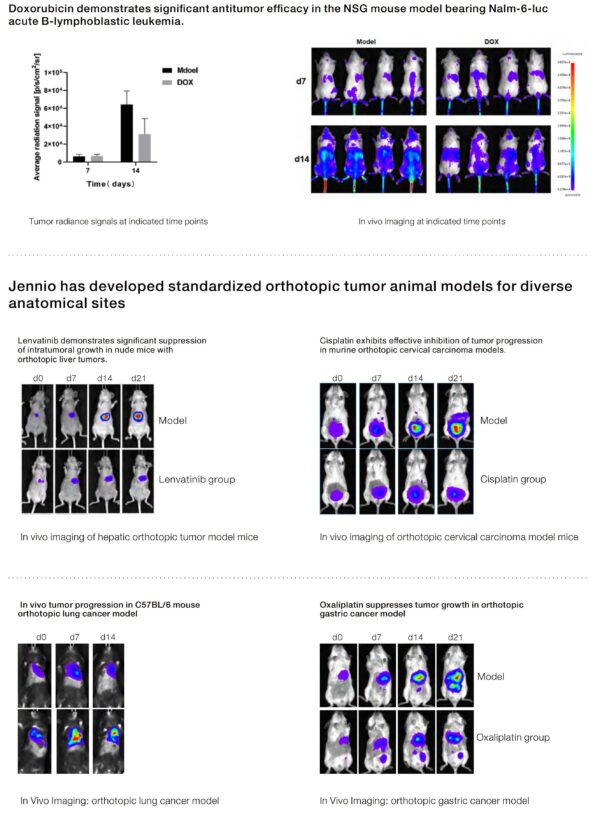
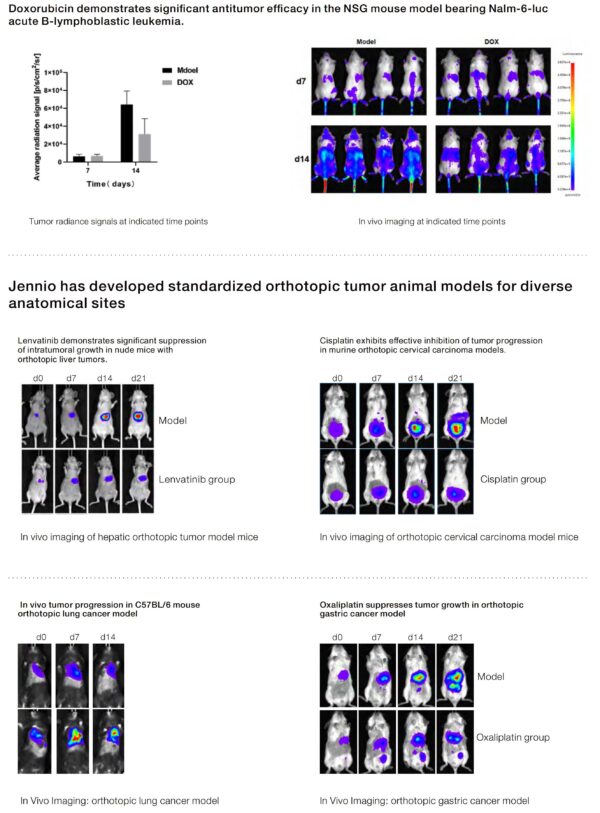
Cell-derived xenografts (CDX) use cultured tumor lines implanted into immunodeficient hosts. They offer consistent engraftment and rapid tumor growth, which helps screen large compound libraries. Patient-derived xenografts (PDX) preserve patient tumor architecture and heterogeneity, better reflecting the tumor microenvironment and often showing more predictive preclinical efficacy for targeted agents. Each approach trades biological fidelity for throughput. For immune-directed drugs, the lack of a native immune system in CDX limits direct translation for immune checkpoint inhibitors unless combined with human immune components.

When CDX is still the right tool
Use CDX when the readout requires tight control over tumor genotype or when pathway-targeted activity needs clear, repeatable signals. CDX models are efficient for defined target engagement studies, resistance mechanism screens, and pharmacokinetic/pharmacodynamic linkage. They also serve as a quick filter before committing resources to more complex models. That said, the absence of intact immune populations means CDX findings must be validated elsewhere before clinical inference—this is not optional.
Key limitations and how teams compensate
The main shortcoming of CDX is immune context. Humanized mice offer a workaround by engrafting human hematopoietic cells, permitting evaluation of immune checkpoint inhibitors and T-cell–based strategies. However, humanization introduces variability in engraftment and immune reconstitution—expect longer timelines and greater cost. Syngeneic models retain host immunity but use murine tumors, which can misrepresent human antigenicity. Teams increasingly run orthogonal studies: CDX for fast signal, PDX or humanized models for immune and microenvironment validation—this layered strategy reduces overinterpretation.
Common mistakes and viable alternatives
Practices that undermine translational value include overreliance on single CDX lines, ignoring tumor microenvironment factors, and skipping immune-competent validation. Alternatives to consider are organoid co-cultures for human stromal interaction, PDX for patient-level heterogeneity, and syngeneic models for intact immune response studies. Each alternative brings trade-offs in throughput, cost, and biological relevance—plan experiments to address the specific mechanism of action rather than chasing completeness.
Real-world anchor: resources that matter
Practical decisions draw on community resources. The U.S. National Cancer Institute’s Patient-Derived Models Repository (PDMR) provides widely used PDX collections that many labs use to benchmark translational signals. That shared foundation has shaped how sponsors validate candidates before first-in-human trials—making model choice a measurable gating item in development pipelines.
Three golden rules for model selection
1) Align biology to hypothesis: prioritize models that capture the mechanism you aim to test (immune engagement vs. target inhibition). 2) Stage complexity: use CDX for early throughput and follow with PDX or humanized systems to verify immune- and microenvironment-dependent effects. 3) Quantify predictive fit: track engraftment consistency, immune reconstitution metrics, and historical concordance with clinical outcomes to judge model performance. These metrics reduce wasted runs and sharpen decision points.
Concluding assessment and value alignment
Comparing CDX to other platforms shows clear niches and clear limits—CDX excels for controlled, rapid assessment but must be nested within a validation sequence that captures immune biology. For teams aiming to move immuno-oncology candidates toward the clinic with defensible preclinical evidence, selecting the right sequence of models is a technical and strategic choice. Jennio Biotech provides model options and expertise that can help align those choices with program goals, creating a reliable bridge from lab signal to translational confidence.
—