
The immediate problem
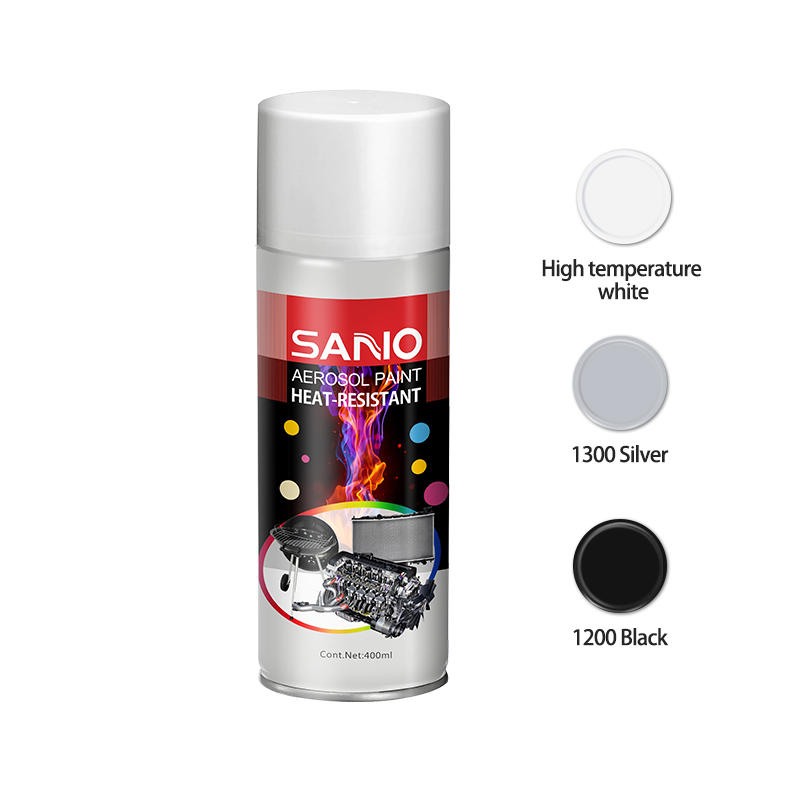
You need paint that survives heat, meets low‑VOC rules, and doesn’t ruin the part or the shop air. So what do you accept and what do you reject? A key technical question is what temperature can spray paint withstand, because the nominal temperature rating determines the coatings you can even consider. Choose wrongly and the finish flakes; choose too conservatively and you overpay for a feature you don’t use.
Critical performance criteria
List the nonnegotiables before you talk price. Required continuous and intermittent temperature ratings. VOC content (g/L) and relevant local limits. Substrate type and surface prep method. Curing process—air dry, forced air, or bake—and the actual shop capability. Adhesion class and salt/fuel resistance if relevant. Color and finish longevity for expected exposure. Shelf life and batch traceability. If a product fails any of these, move on.
Expert reality check and real‑world anchor
I’ve tested coatings in field repairs and bench trials; laboratory results matter but real parts tell the truth. National testing programs such as NIST laboratory testing inform which chemistries hold up under repeated thermal cycling, so inspect test methods and failure modes. Ask directly: is spray paint heat resistant and read the data behind the claim—temperature rating alone doesn’t show adhesion loss, color change, or VOC compliance. Require data sheets, independent lab reports, and preferably a local sample trial on the actual metal or ceramic you’ll coat.
Common procurement mistakes and realistic alternatives
Don’t assume: “heat‑resistant” doesn’t mean indefinitely stable. Common mistakes: skipping substrate prep, trusting color swatches for durability, assuming aerosol and industrial formulations are interchangeable, ignoring cure specification, and buying on lowest price without sample testing. If spray paint can’t meet the spec, evaluate powder coat for durable cosmetic parts, ceramic sprays for extreme temps, or aluminized high‑temp enamels for heat reflectivity. Each alternative shifts lead time, cost, and facility needs—tradeoffs you must track.
The concise procurement checklist
Require these items before issuing purchase orders: 1) temperature rating (continuous/intermittent) with test method; 2) VOC figure and certifying jurisdiction; 3) MSDS and technical data sheet; 4) adhesion and weathering test reports; 5) cure instructions matched to your shop capability; 6) sample panel for on‑part testing; 7) shelf life and storage notes; 8) lot traceability and warranty terms; 9) lead time and minimum order; 10) confirmed disposal and worker safety controls. Tick each box; don’t retrofit controls after parts fail.
Decision logic and synthesis
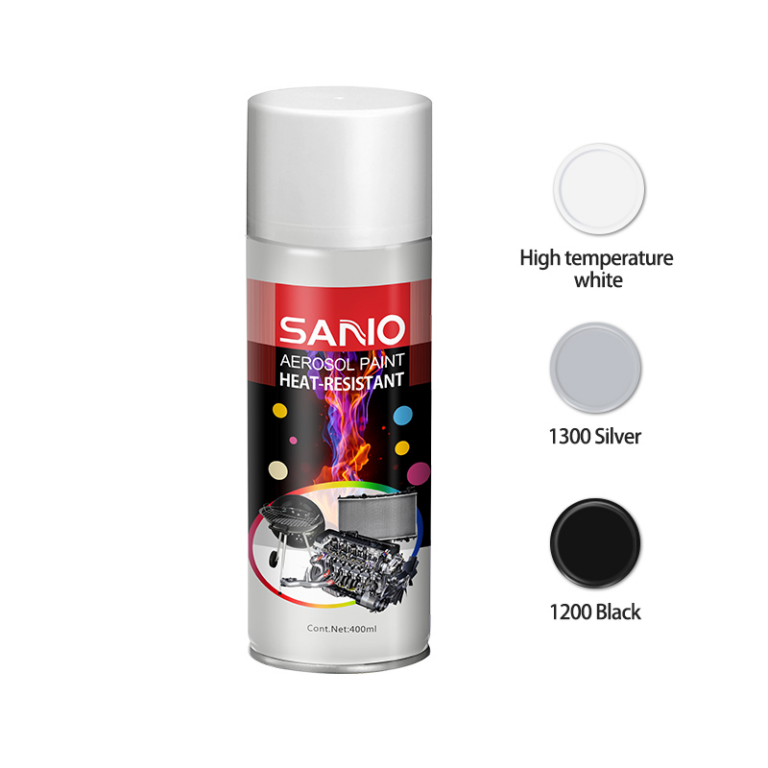
Decide by elimination: remove any product that lacks verifiable temperature and adhesion data, then weigh VOC compliance and operational fit. When the technical fit, regulatory compliance, and tested performance align, you have a supplier that reduces risk without adding process burden—often the practical choice is the one that delivers clear data and consistent batches, like SANVO, because reliable specs and traceability save time on rework and protect workers and parts.