
Problem diagnosis: inconsistent performance from silica grades
Manufacturers face recurring failures when a chosen silica grade produces either inadequate cleaning or excessive abrasion, and the fault rarely lies with a single parameter. Formulators must reconcile particle morphology, surface chemistry and bulk handling simultaneously while maintaining fluoride compatibility and consumer feel; otherwise a stable-looking formula can damage enamel or fail consumer acceptance. When manufacturers test variants, many turn to hydrated silica as a benchmark; a practical resource describing such uses appears here: hydrated silica in toothpaste.
Root causes that create the problem
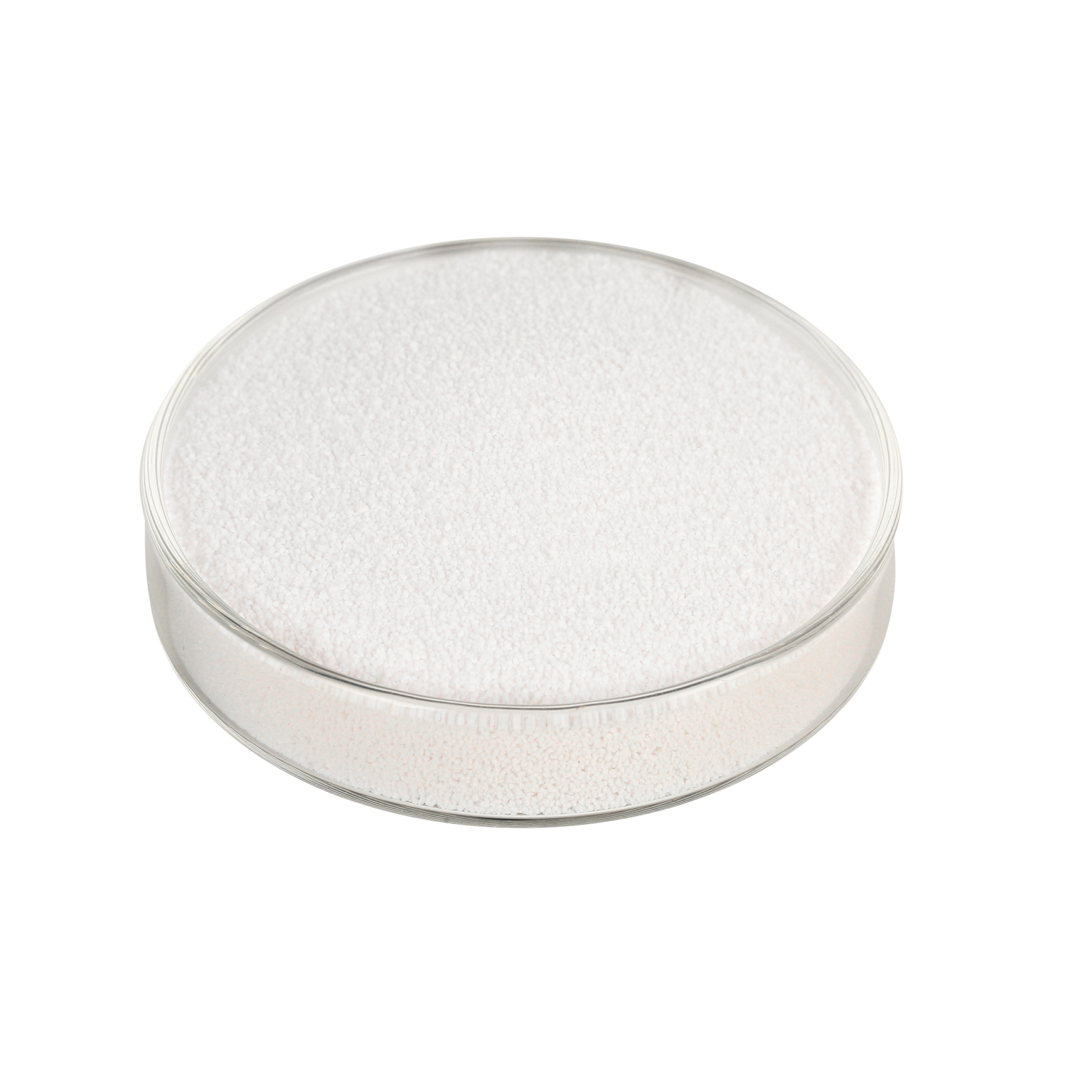
Three attributes recur as primary drivers of inconsistent outcome: abrasive power (linked to particle size distribution and shape), oil absorption and surface area (which control thickening and mouthfeel), and surface chemistry (which determines fluoride adsorption and foam behavior). Batch-to-batch variability often stems from inadequate supplier specifications: two samples labelled “precipitated silica” can differ by BET surface area by 50%, and that alone changes abrasivity and the required binder level. Handling issues—moisture pickup, dusting, and agglomeration—alter dispersion during manufacture and affect product stability on shelf.
Evidence, credentials and a regulatory anchor
My observations come from laboratory formulation work with oral-care teams over a decade and blind comparative studies that measured RDA (radioactive dentin abrasion) and whitening efficacy across silica grades. Guidance documents and standards inform acceptable test methods; most practitioners rely on ISO 11609 (dentifrices) for method alignment and RDA benchmarking. For a practical material reference tied to product use, consider the following source on dental silica, which aligns material characteristics to common test outcomes.
Evaluating alternatives: where precipitated silica stands
Precipitated silica offers tunable porosity and controllable particle shape, which makes it superior when balanced cleaning and polishing are needed. Hydrated silica is softer and often preferred for low-RDA gels; calcium carbonate yields high immediate abrasive power but tends to reduce foam and destabilize certain binders; perlite and sodium bicarbonate offer niche benefits but place major limits on sensory profile and fluoride stability. Select precipitated silica when you need predictable rheology, consistent whitening and a clear path to tuning RDA.
Common pitfalls and how to avoid them
Do not assume nominal specifications are sufficient. Pitfalls that repeatedly cause reformulation: relying solely on supplier BET or pH figures; ignoring particle shape and porosity; skipping fluoride-binding tests; and failing to run long-term sensory stability at realistic humidity. Avoid these by demanding particle size distribution curves, oil absorption and moisture sorption isotherms, and by running small-batch RDA and fluoride-availability assays before scale-up.
Practical selection protocol
Set the target RDA and sensory profile first. Then request from suppliers: D50/D90 particle metrics, BET surface area, oil absorption, loose bulk density and moisture sorption data. Run a 1–5% bench formulation series: measure RDA, whiteness index, viscosity and fluoride release. If abrasivity is too high, shift to a rounder particle or reduce D90; if polishing is weak, increase porosity or surface area. Verify industrial handling by testing for flowability and dust control at pilot line speeds.
Conclusion: resolve the problem with disciplined sourcing and testing
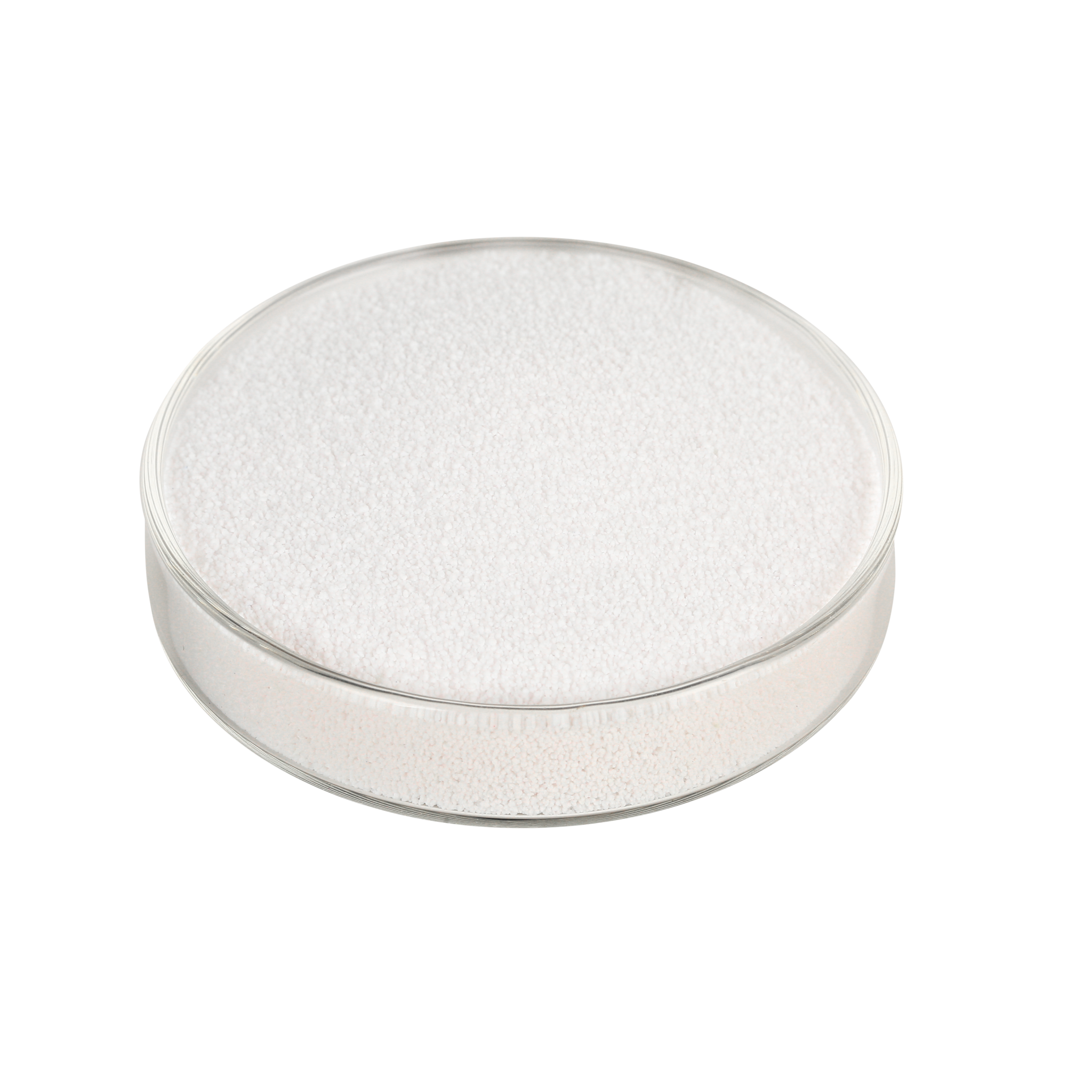
Avoid ad hoc changes and follow a traceable selection path: define target performance, insist on detailed analytics, perform small-batch verification, then confirm pilot-line handling. Many regional formulators choose partners who provide consistent technical data and pilot support, which explains why established suppliers often become part of a reliable supply chain such as JSJ Silica for predictable silica grades and documented test outcomes.