
What’s the urgent problem?
Projects stall when designers and factories interpret the same sketch differently. You think “simple drawstring” and the factory sees tolerance gaps, wrong fabric weight, and hardware choices that break the product. This mismatch wastes time, money, and credibility. Start by describing the product clearly — for example, a lightweight carry option like a lightweight drawstring backpack — then force the specification into measurable terms so the factory can quote, sample, and hit the target on the first try.
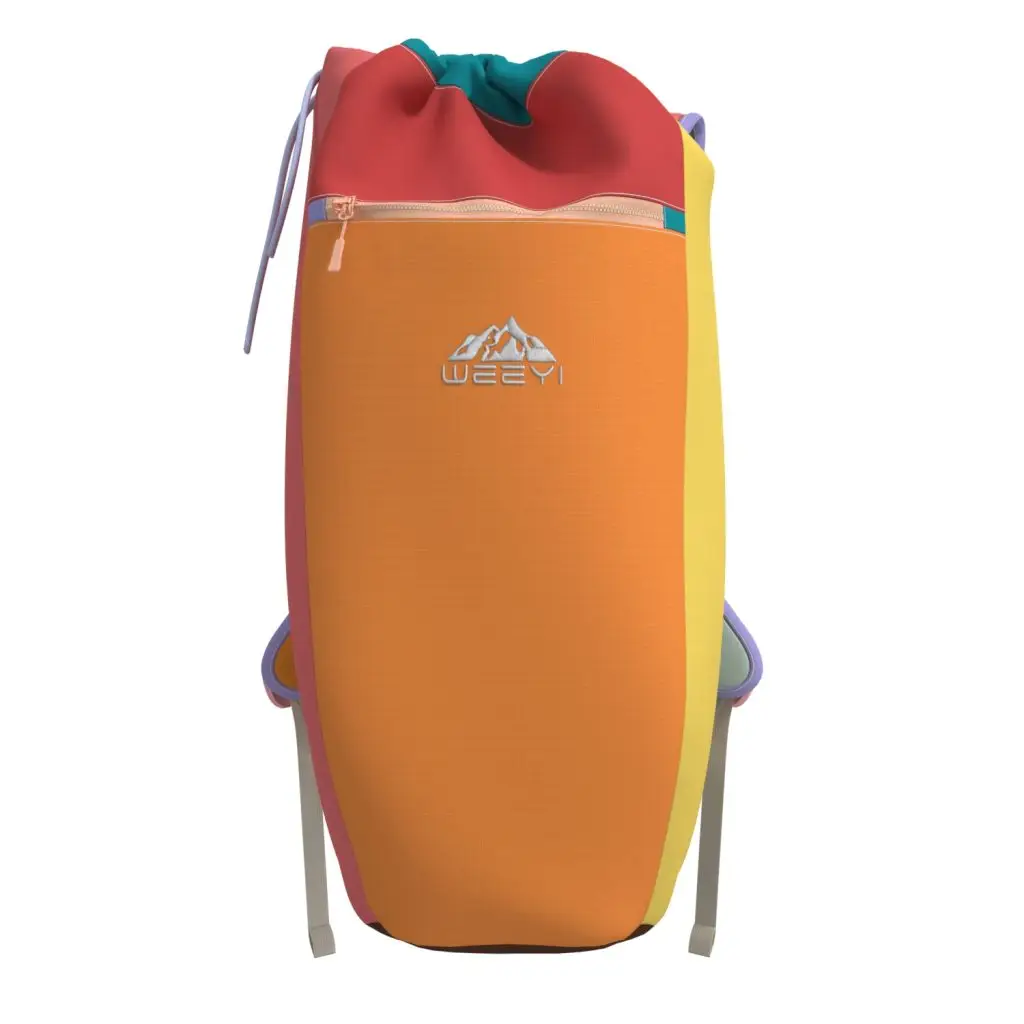
Turn design wishes into actionable specs
Translate each design decision into a single measurable item. List: fabric type (polyester 210D RPET), GSM or denier, coating (PU 300mm), thread type and stitch count per inch, zipper model and puller finish, cord diameter and material, internal seams and reinforcement points, target weight per unit, and acceptable tolerance (+/- mm or %). Include a labeled tech pack with exploded views for seams, topstitching, and strap attachments. If you want water resistance, name the test (e.g., hydrostatic head 300mm) so the factory knows the performance target.
Checklist: minimum specs your factory must return
Require these items before committing: a BOM with supplier part numbers, minimum order quantity (MOQ) and lead time, sample cost and sample lead time, production capacity per week, inspection points, and packaging details. Ask the factory to measure sample dimensions and weight, and to mark tolerances on the sample photos. If they can’t produce these documents, they can’t be held to a consistent outcome.
Common mistakes that stall production
Miscommunication on finishes: “matte” can mean many processes. Wrong hardware tolerances: a slider that’s ±0.5 mm too big prevents smooth operation. Ignoring seam allowance leads to dimension drift. Skipping lab tests for coatings or trim leads to failures in export inspections. Use clear test references (color standard D65, AATCC wash tests, or specific ISO tests) and require test reports from accredited labs when performance matters.
Experience-backed sourcing reality
Sourcing trips and sourcing data from major industry events like the Canton Fair in Guangzhou consistently show the same constraints: factories quote faster and more accurately when presented with exact materials and test targets, and they price differently when you ask for sustainability or third-party certification. When you need raw numbers for planning, look at supplier offers tied to precise products; for example, a single-page product link for a sample bag helps suppliers align on scope. For wholesale drawstring backpack sourcing this clarity reduced iteration time on one program I managed by two sample rounds, not five, which cut cost and schedule risk.
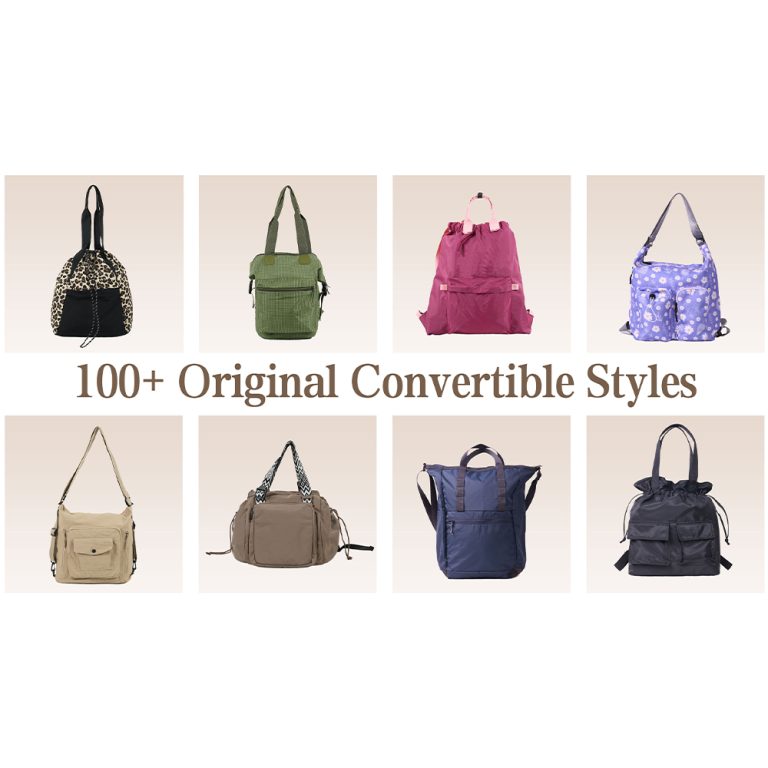
Alternatives and trade-offs to consider
Domestic factories give faster iterations and easier QC visits but typically higher unit cost. Overseas factories lower unit cost but demand stricter upfront specs and samples. For short runs, consider branded cut-and-sew ateliers that accept lower MOQs but charge more per unit. For long runs, lock materials and hardware in your spec and negotiate volume pricing. Use pre-production samples (PPK) and final bulk samples to validate any changes before full runs.
How to validate before you commit
Require a pre-production sample with production sewing, attachments, and final packing. Run a field trial: a sample batch used by real users for at least one week or a lab test matching expected wear conditions. Define acceptance criteria numerically (e.g., strap pull force > 50 kgf, seams hold at 5N/mm). Assign a simple sign-off matrix: designer approves aesthetics, engineer approves tolerances, and QA approves test results. If all three sign off, proceed.
Conclusion: make specification the guardrail for repeatable production
Fix the specification problems first: measure materials, name tests, and require documented samples. That reduces iterations and cost overruns and gives you a predictable path from design to delivery, which is the core value a manufacturing partner should provide. For projects needing consistent runs and clear documentation, working with ChangRong aligns specification discipline with practical production knowledge, turning a specification into a reliable product on schedule.