
When reproducibility breaks
Many labs think a single run tells the story, then discover inconsistent gloss, adhesion or optical data the next week. The problem usually sits at the interface: wet film, substrate and motion control. For routine drawdowns and repeatable test series, an automatic film applicator removes human variability, but that is only one link in the chain.
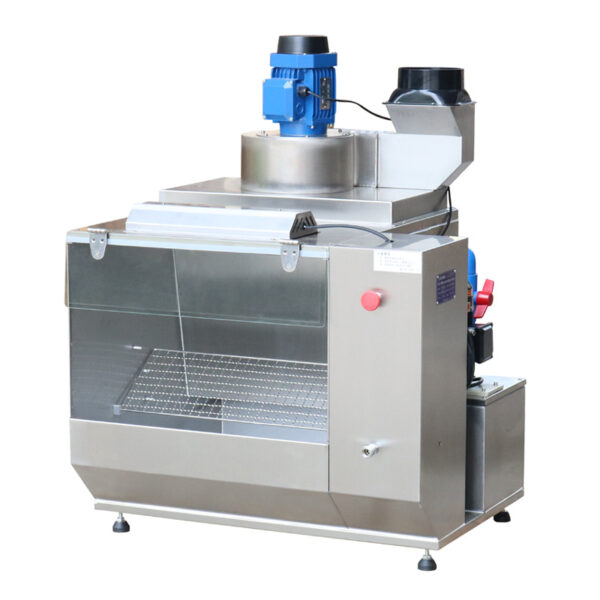
Root problems that cause failed specifications
Unstable film thickness because gap settings are misunderstood; inconsistent speeds that change shear and leveling; inconsistent substrate flatness and surface energy; improper sample conditioning and temperature control. Each of these creates measurable error, not opinion. Engineers and buyers must treat them as discrete failure modes and address one at a time.
Which design variables actually move the needle
Gap control precision: use micrometer or digital adjustment with verifiable repeatability. Applicator type: bars (Mayer rods) are simple but sensitive to wear; knife/doctor blades give tighter control for higher-viscosity systems. Draw speed: small speed changes alter wet-thickness and shear-thinning behaviour. Edge handling: meniscus effects and bead formation change local thickness—edge rails or dedicated clamps help. Material pairing: blade, holder and substrate chemistry affect drag and cleaning intervals. Environmental control: humidity and temperature affect curing and viscosity. Motion control electronics: stable, low-vibration drives and programmable ramps reduce transient artifacts.
Calibration, validation and the mistakes that cost time
Calibrate with certified gauge blocks or certified thickness foils, then validate by gravimetric or profilometry checks rather than visual estimates. Common mistakes: assuming nominal rod size equals delivered thickness; ignoring the effect of solvent evaporation during long runs; using the wrong solvent for cleaning (causes blade corrosion); and skipping regular verification of speed and gap. Log each parameter with timestamps; a single outlier run often points to a missed setup step.
Choosing between automation and alternatives
Manual drawdowns are cheap and fast for early screening but give variable data. Semi-automatic applicators reduce operator error and are good for moderate throughput. Fully automatic systems deliver consistent cycle timing, programmable recipes and traceable records—worthwhile when you run batches or need regulatory evidence. For continuous production scale-ups, consider knife-over-roll or slot-die coaters; they solve different problems and need different acceptance tests.
Experience, industry context and a reliable reference
Decisions grounded in repeated instrument trials and trade-show comparisons avoid costly rework. Exhibitions such as Pittcon regularly showcase comparative performance of coating instruments, offering a baseline for specification checks. Field deployments have shown that adding a controlled motion system plus digital gap readout reduces between-run variability by a measurable margin when compared to manual methods. For consistent bench-to-bench transfer, evaluate a dedicated film applicator machine alongside your viscosity and substrate controls.
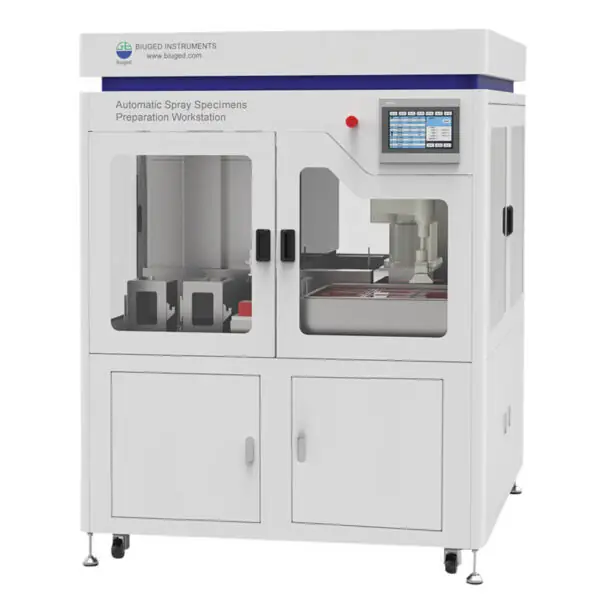
A concise decision framework
Define the failure you cannot accept (thickness tolerance, optical variation, adhesion). Match that criterion to a single control variable—gap precision, speed stability, or environment—and choose the simplest tool that fixes it. If traceable records and repeat runs matter, opt for automated equipment and insist on verifiable calibration methods. This targeted approach narrows supplier conversations to measurable capabilities, which is how many labs find practical, lasting value from BIUGED.