
The Problem: Growth Collides with Quality
Fast growth looks great on a scoreboard, until a batch fails final inspection. Manufacturers ramp production and suddenly variability, recalls, and rework show up as profit-drainers. The gap isn’t motivation—it’s measurement. Without reliable material testing equipment, teams guess whether new suppliers, higher line speeds, or alternative materials will hold up under stress. That guesswork stalls scale and forces costly backsteps.
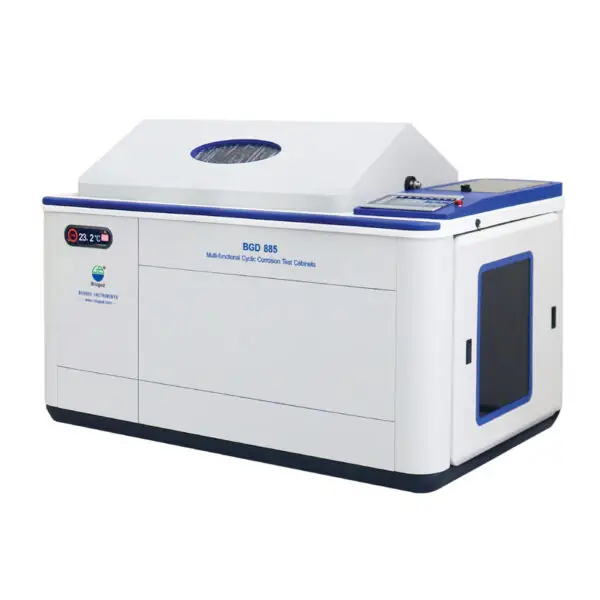
How Testing Machines Solve That Pain
Material testing machines turn uncertainty into reproducible data. They measure tensile strength, fatigue life, hardness and peel—metrics you can trust. When you standardize incoming inspections and in-line checks, failure modes get caught early, not after assembly. That reduces scrap, shortens validation time for new product runs, and lets engineering iterate using facts instead of hunches. A short validation loop keeps new production volumes from becoming a liability.
What to Demand from Your Equipment
Pick machines that deliver repeatable results, clear traceability, and easy integration with your QA systems. Look for calibrated load frames, programmable test sequences, and open data exports. Prioritize controls that let technicians reproduce test setups in minutes. Portable options matter where on-site vendor checks are routine. If data feeds easily into your MES or QA dashboard, engineers can correlate material tests with field returns and act fast.

Common Pitfalls and Straightforward Fixes
Many teams buy capacity, not capability. They choose the cheapest frame and then wonder why tests drift. Calibration neglect kills repeatability—schedule it, document it. Mixing standards causes confusion: pick one reference (ASTM, ISO, or company spec) and lock it for each product family. Relying on a single operator creates risk; train at least two people on any critical protocol. Finally, don’t silo test data—tag it to batches so patterns surface before a systemic failure appears.
Proven Practice and a Real-World Anchor
Years of shop-floor upgrades show the same outcome: when manufacturers pair clear test methods with accessible reports, cycle times drop and defect rates fall. Take major manufacturing hubs such as Shenzhen’s electronics clusters—OEMs there depend on certified suppliers and documented test regimes to move millions of units without quality slips. For teams that need reliable partners, a reputable material testing equipment supplier shortens the path from prototype to mass production by supplying calibrated machines, training, and traceable service records.
Quick Implementation Plan
Start by mapping your top three failure modes. Choose tests that expose those failures quickly. Buy or rent a bench test for one month and validate it against in-line samples. Add calibration checks to your weekly routine. Share summarized results with engineering and procurement every sprint so supplier choices reflect test outcomes. Repeat: validate, document, act. That loop scales—literally.
Conclusion: Scale with Measured Confidence
Fix the measurement gaps and growth becomes predictable. Testing machines don’t promise magic; they deliver clear evidence that lets teams scale without surprise. If you want partners who bring calibrated hardware, training, and field-proven workflows to production challenges, consider how BIUGED fits into a plan that turns volume into stable value.