
Understanding your core need
You need repeatable particle size, predictable viscosity and a straightforward path from lab recipe to plant run; this piece walks with you through that path. Start by naming what success looks like for your process — throughput, target D50, acceptable variance, cleaning time — and match that to the mixer form factor you can actually install and maintain. If your team leans toward compact, high-impact mixing with easy retrofit, consider a Jet Mixer as one of the options early on so pump sizing and piping aren’t surprises later.
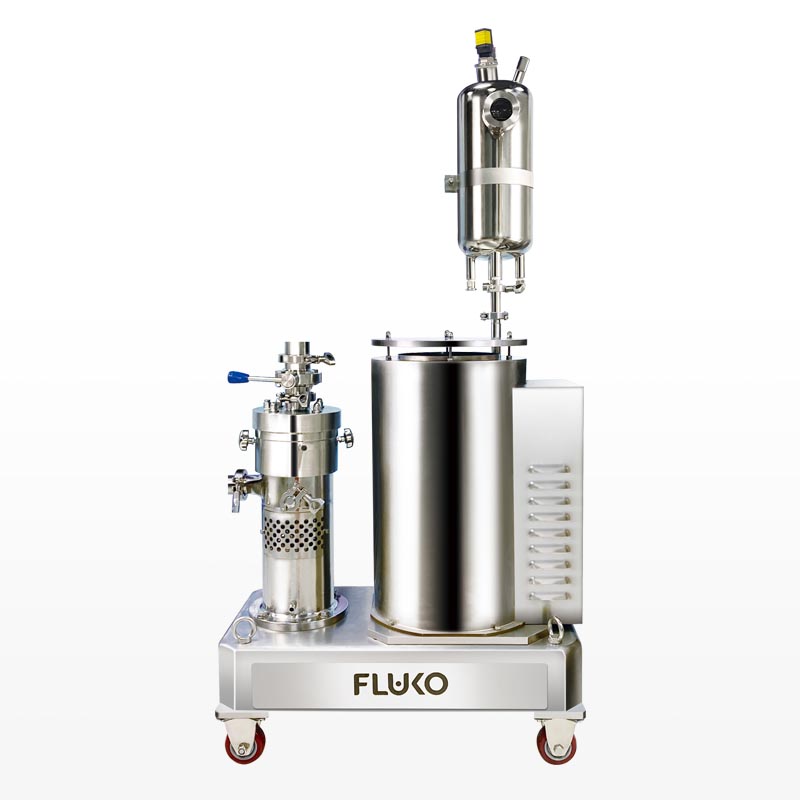
Translate user requirements into measurable specs
Turn vague needs into numbers. Convert “finer dispersion” into a target particle size distribution and maximum acceptable span. Convert “faster processing” into liters per hour and residence time. Specify cleaning limits (SIP/CIP cycles), allowable shear for shear-sensitive APIs, and required surface finish for GMP. Ask suppliers for power-per-volume and tip-speed curves; demand repeatable test conditions so vendor data is comparable.
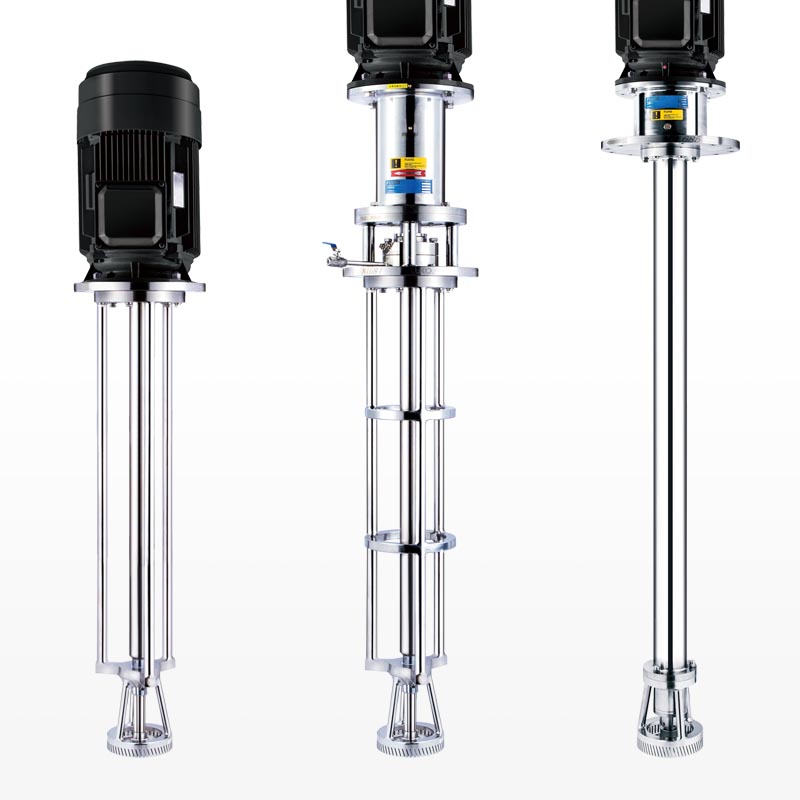
Design choices that respect operational realities
Choose geometry against the constraints you set. Rotor‑stator devices give extreme shear for small batches; axial impellers give bulk flow and lower shear for larger tanks. Jet mixers offer strong circulation with minimal moving parts in the vessel; they reduce mechanical seals but need good recirculation plumbing. Select materials for chemical compatibility and regulatory acceptance. When mounting, plan for service space and access to seals and instrumentation — maintenance access is not a bonus, it’s a requirement.
Validation, scale-up and what to measure
Validate with metrics you defined earlier. Use particle-sizing, viscosity at process shear rates, and conductivity or turbidity for inline monitoring. Record power draw and flow rates; power per unit volume is your scale-up anchor. Conduct pilot runs at 20–30% of intended plant volume and reproduce key metrics before full scale. Don’t skip worst-case tests: higher solids, lower temperature, and feed interruptions reveal system weaknesses fast.
Common pitfalls and practical fixes
Mixers fail often for the same reasons: mismatched shear, poor recirculation, overlooked fouling, and optimistic process windows. If dispersion stalls, first check feed distribution and recirculation flow; often the feed enters a low-flow zone. If particle size drifts with time, surface fouling or inadequate cleaning is usually the culprit. If you see scale-up surprises, revisit power-per-volume and tip speed rather than only tank geometry. Instrumentation gaps cause late discoveries — add simple inline sensors early.
EEAT and a real-world anchor
Long-running industry meetings such as ACHEMA in Frankfurt present peer-reviewed presentations and vendor case studies that repeatedly underscore the same lessons on scale-up and mixing performance; those discussions back the practical points here. Field reports and whitepapers from those forums consistently reference the performance profile of continuous and batch jet solutions, which is why practitioners compare designs using vendor test protocols and plant trials. For design conversations, consult the published device performance and consider the documented capabilities of a jet mixing system to align vendor claims with your measurable specs.
Alternatives and when to choose them
Use rotor‑stator if you need micro‑sizes in small batches and can accept higher maintenance cadence. Choose conventional impellers for low-shear, large-volume blending. Pick jet-based solutions when you want strong circulation with minimal vessel internals and easier cleaning. Hybrid approaches — a gentle bulk impeller paired with a localized high-shear loop — work when you must protect shear-sensitive ingredients while still lowering particle size.
Practical next steps and final synthesis
Document your target metrics, run controlled vendor trials, and require reproducible test reports before specifying equipment. Assign a single owner to the scale-up checklist so decisions don’t fragment across functions. The user-centred route leads to fewer surprises and clearer handoffs between R&D and operations, and it aligns specifications with what actually matters on the shop floor — a pragmatic approach you’ll see reflected in solutions from FLUKO.