
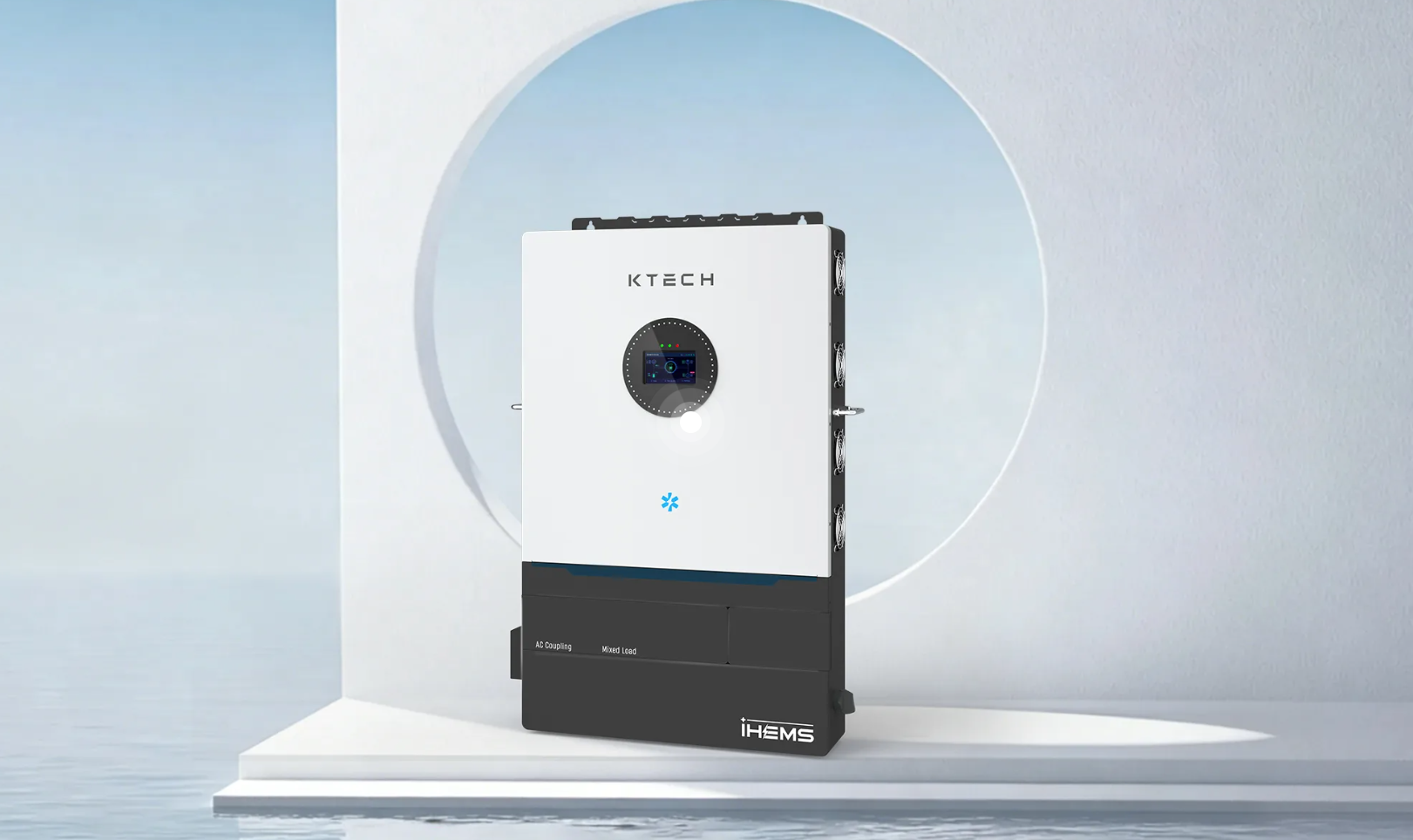
Start with the problem — then move fast
Power that cuts out, bills that climb, and systems that promise more than they deliver — that’s what we’re fixing. If you want a resilient, cost-effective setup, start by imagining the failure you can’t tolerate and match the solution to that need. A straightforward hybrid solar system blends PV and storage so you get both generation and on-demand power; pick the parts to solve your real problem, not the fanciest spec sheet. California has already pushed many homeowners toward backup-capable designs — use that experience as a benchmark for reliability and response planning.
Define the exact problem you’re solving
Be specific. A targeted goal makes decisions simple.- Short outages only? Aim for seamless transfer and a smaller battery.- Long outages or off-grid ambitions? You’ll need higher energy capacity and robust system control.- Peak-billing reduction? Prioritize battery cycles and smart load scheduling.- EV charging or heavy loads? Size for sustained high output, not just brief bursts.Match your goal to one clear metric: hours of autonomy, percent of load covered, or peak reduction. Treat that metric like your training target and keep it front and center.
Core technical choices that actually matter
Cut through noise. Focus on these four choices.- Inverter topology: string hybrid vs hybrid inverter vs AC-coupled stacks — pick one based on how much retrofit flexibility you need.- Battery chemistry and usable capacity: lithium (higher cycles, compact) vs lead-acid (cheaper upfront but heavier limits).- Charge control and firmware: a smart BMS and stable inverter software prevent surprises under load.- Export and grid rules: choose settings that honor local interconnection limits while protecting your battery.If you’re weighing components, look at real-world system behavior. A well-configured hybrid solar energy system will prioritize predictable discharge profiles and intelligent dispatch over headline wattage.
How to size and estimate costs without guesswork
Work from loads back to capacity. Start with a 24-hour load profile, identify critical circuits, then convert that kWh need into battery capacity with the expected depth-of-discharge and round-trip efficiency. Factor the inverter continuous power rating for peak draws. Cost drivers are straightforward: battery kWh, inverter kW, and installation complexity. Use simple math: needed kWh ÷ usable percentage = battery size. Track warranty terms and cycle guarantees — they change the effective cost per usable kWh faster than sticker price does.
Common mistakes that derail projects — avoid them
Skip these errors.- Buying oversized PV for a tiny battery and expecting long autonomy.- Ignoring inverter continuous power rating; brief surge ratings don’t run pumps or EVs for long.- Overlooking local permitting or utility export limits until late in the schedule.- Choosing batteries by chemistry alone, not by operational profile and warranty terms.- Installing without a clear maintenance plan — batteries and firmware need attention.Fix these and the system behaves like a well-tuned athlete instead of a one-hit wonder.
Installation, commissioning, and long-term operation
Install clean, test hard. Work with certified electricians and confirm interconnection requirements before you order hardware. Commission with real loads: simulate the outage you planned for and verify transfer timings, state-of-charge behavior, and alarm handling. Set simple operating rules: charge targets, reserve SOC for emergencies, and firmware update checks. Plan a yearly inspection for electrical connections, battery health indicators, and ventilation if your enclosure requires it.
Decision checklist — fast-action list
Use this checklist like a quick warm-up.- Define the outage scenario and autonomy hours.- List critical loads and derive kWh demand.- Choose inverter type compatible with retrofit vs new build.- Pick battery chemistry and usable capacity that matches cycles.- Confirm permits and utility export rules.- Schedule commissioning with realistic load testing.Cross each off confidently, and you’ll avoid second-guessing.
Finish strong: practical synthesis
Treat this as a performance plan: identify the failure mode, pick the component set that addresses that failure, and test under realistic conditions. A focused hybrid approach gets you backup power, bill control, or off-grid capability without wasted hardware. If you want guidance that aligns technical decisions with operational goals, consider vendors and partners who show clear system behavior under load — that’s the value Ktech brings into project conversations without hype.