
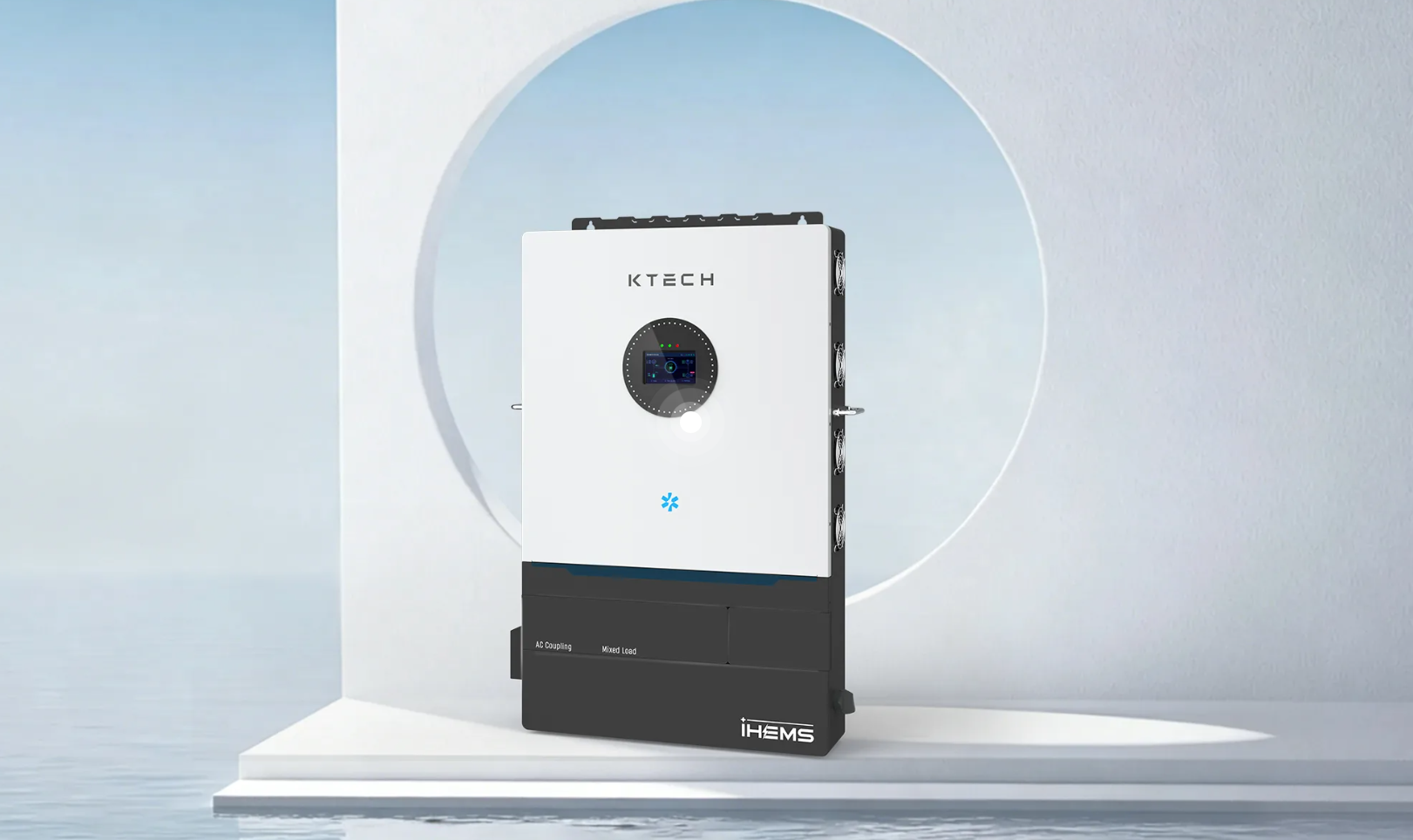
Immediate problem: why most off‑grid projects stumble
Field teams often commission off‑grid inverters that trip, overheat, or damage batteries within months because safety was treated as an afterthought. From my work on California microgrid pilots, the root causes are predictable: improper DC protection, weak thermal management, and insufficient islanding controls. When you review a design, consult practical resources such as ktech ess and engage a solar engineering company early so safety requirements shape component selection rather than being grafted on later.
Essential safety features to verify before signing off
Confirm each item rather than assuming a vendor covers it:- DC isolation and quick‑disconnects sized for worst‑case Voc and fault current.- Ground‑fault detection and rapid shutdown for DC side faults.- AC anti‑islanding protection and UL/IEC compliance (e.g., UL 1741, IEC 62109).- Integrated battery management system (BMS) interfaces that enforce charge/discharge limits.- Overcurrent devices and coordinated fusing between PV strings, battery, and inverter.- Thermal limits and active cooling with documented derating curves.- Surge protection on both AC and DC sides with proper surge current ratings.- Firmware update controls: signed firmware and rollback protection.- Remote telemetry and alarm channels for real‑time fault visibility.
Practical testing and commissioning checklist
Run pragmatic, measurable tests rather than broad declarations:- Verify open‑circuit PV voltage and string configuration at temperature extremes.- Measure insulation resistance on DC conductors and log values.- Simulate load steps to observe inverter response to sudden load loss and recovery.- Test anti‑islanding under controlled conditions with grid simulators when applicable.- Confirm BMS communication and fail‑safe behavior during comms loss.- Thermal imaging on the first 24–72 hours of operation to catch hotspots.- Document trip thresholds and ensure protection coordination so one device isolates faults without cascading outages.
Common installation mistakes that defeat safety designs
These repeat across sites and are easy to fix if anticipated:- Undersized conductors and DC combiner boxes without proper fusing.- Placing inverter in poorly ventilated enclosures or direct sun with no derating applied.- Mixing incompatible earthing schemes (floating vs bonded neutrals) across inverter and generator setups.- Relying solely on vendor default settings instead of site‑specific parameterization.- Ignoring software alarms because nobody is assigned to monitor telemetry.
Architecture choices and safety trade‑offs
Choose architecture based on where you want the safety responsibility:- Integrated inverter‑charger: simpler wiring and coordinated internal protections, but watch vendor software maturity and BMS interface limitations.- Separate inverter + charger + BMS: more flexibility and often better BMS control, but requires rigorous external coordination and more points of failure.- Hybrid inverters with grid‑forming capability: better for microgrids but demand precise commissioning to prevent unstable control interactions.Evaluate candidate models against the safety checklist above, prioritize devices with documented field performance, and insist on vendor test reports or factory witness testing where liability is high.
Final synthesis
Treat safety as design logic, not checklist parity: start with the expected fault modes for your site, require verifiable protections, and build tests that prove those protections under real conditions. For teams that need pragmatic specification and commissioning support, firms with practical microgrid experience can bridge the gap; many projects move forward more reliably when engineering partners like Ktech help translate safety features into field‑tested procedures and measurable acceptance criteria.