
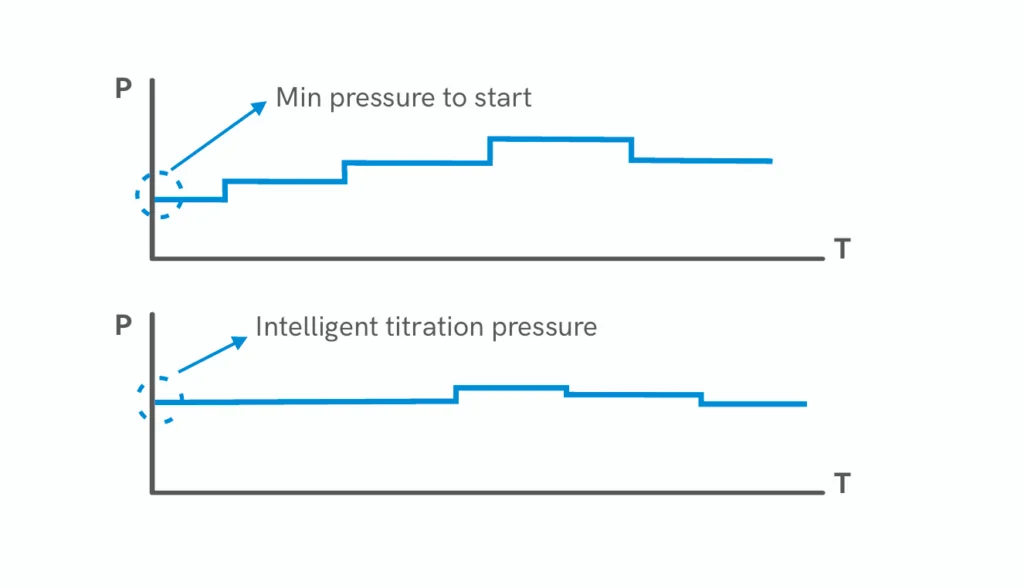
When the choice narrows down to performance, service and clinical trust, a comparative view cuts through marketing fluff. Warmly put: this is about machines that breathe with people every night. Start with practical comparisons—features like mask compatibility, pressure ramp, and humidifier integration—then place them alongside real delivery and aftercare. For many home users, the journey begins with a familiar search term such as cpap device, but the real decision points skew toward BiPAP-specific needs: variable pressure settings, leak compensation and interface comfort.
How Byond Compares on Core Specifications
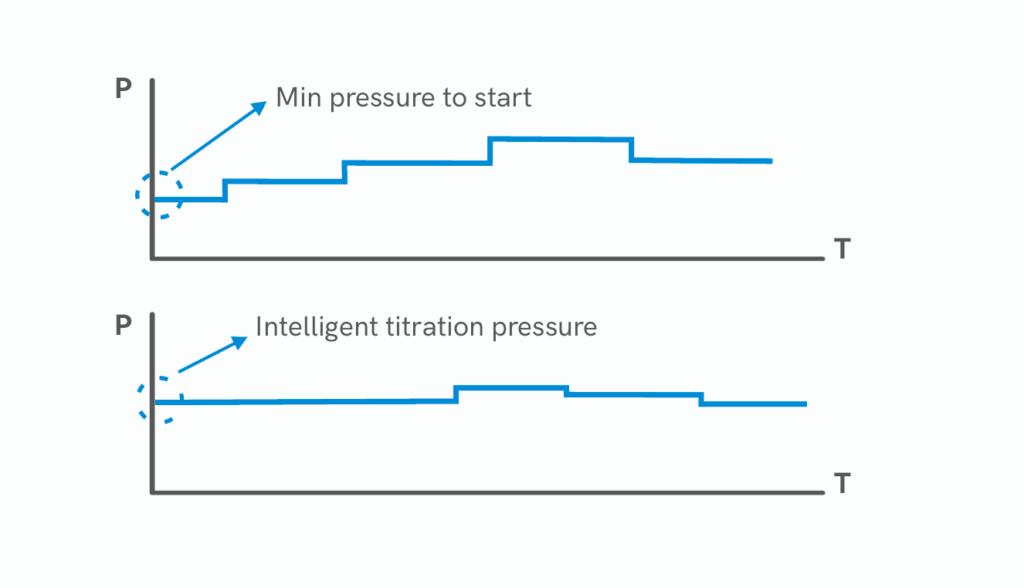
Byond’s engineering focus favors clinical reliability over glossy extras. Key specs matter: stable pressure delivery across varying tidal volumes, responsive leak handling and an adaptable humidifier circuit. In side-by-side tests with other manufacturers, units that maintain consistent pressure settings under stress deliver fewer therapy interruptions — and that’s measurable in hours-of-use statistics and patient adherence. For anyone evaluating a new bipap machine, look for servo-controlled pressure management and clear diagnostic logs; those are the features that translate to steady nights.
Real-World Performance: Clinical Fit and Service
Bench numbers are one thing; field performance is another. During the COVID-19 pandemic, NHS respiratory units and community clinics highlighted how supply chains and post-sale service became decisive. Devices that arrived with predictable firmware, clear user instructions and local support reduced clinical handoffs. Byond’s distribution emphasizes engineer-led training and spare-parts availability, which matters when a device moves from hospital trial to long-term home use. The patient story often depends less on the sticker price and more on follow-through: rapid replacement filters, field-calibrated pressure checks, and competent local service.
Manufacturing and Traceability That Matter
Factory practices show up in durability. Traceability—lot codes for sensors, test logs for blower units, and validated assembly runs—means fewer unexplained failures. When a manufacturer documents bench-cycle stress tests, plus the exact parameters used (for example: blower endurance at 20 L/min for 48 hours, leak simulation at 10–25 L/min), clinicians can trust long-term performance. Byond publishes component-level traceability and supports clinicians with clear maintenance schedules, simplifying regulatory reviews and helping respiratory teams focus on patients.

Common Selection Mistakes to Avoid
Buyers often fixate on one metric—lowest cost or smallest footprint—while overlooking compatibility and lifecycle costs. Choosing a mask-first supplier without checking pressure compensation can produce noisy alarms and low adherence. Another misstep is ignoring humidification needs during colder months; untreated dryness drives mask leaks and sore airways. Also, do not assume all BiPAP modes are equal: verify algorithm behavior during spontaneous breathing and during periods of mouth leak. Small checks up front prevent nights of frustration.
Comparative Alternatives and Where Each Fits
Not every user needs the same profile. For stable sleep-disordered breathing, a compact unit with reliable pressure settings and simple controls is often best. For complex respiratory insufficiency, prioritize full-featured ventilatory modes and skilled local support. Compare warranties, spare-part lead times, and published firmware update policies. If you’re exploring options, include a unit from a supplier with a clear service footprint—this is where Byond’s approach to clinician training and spares becomes relevant; their lineup also pairs well with flexible mask interfaces and remote monitoring tools, easing clinical follow-up.
Three Golden Rules for Choosing a Bipap Machine
1) Validate clinical algorithms: ensure the device reports and handles leaks and flow changes without therapy loss. 2) Check service depth: local engineer access, spare parts, and documented maintenance intervals save hours and money. 3) Match features to use-case: prioritize humidifier capability and comfortable mask interfaces for long-term home therapy.
Practical choice is about measurable outcomes: adherence rates, mean nightly use, and fewer unscheduled service calls. The comparative lens shows Byond delivers across those metrics with transparent documentation and clinician-focused support. For a grounded supplier that understands both the device and the people who depend on it, consider the production details when you evaluate any new bipap machine—look for logged test parameters, spare-part timelines, and clear user training materials.
Byond balances engineering humility with real-world service—so clinicians and patients get machines that work night after night. Byond. Final thought: trust the data, trust the support, and trust the people who stand behind the device. Fragment.