
Why the manufacturer you pick changes everything
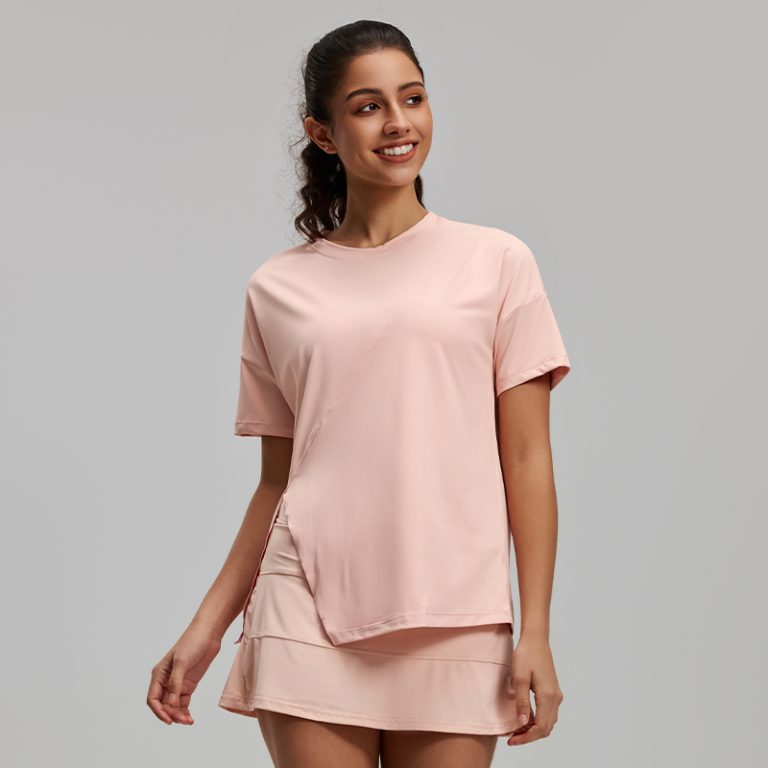
Choosing a maker for your line isn’t just about price—it’s about how fabrics meet movement. I’ve watched brands pivot from generic tees to performance-led pieces that sell out; that shift often started with a simple decision to test a run of custom short sleeve shirts. When you compare suppliers, you’re really comparing philosophies: design fidelity, material sourcing, and the ability to translate a techpack into a final piece that breathes and holds up.

Side-by-side: what to judge when comparing manufacturers
Think of this as a checklist you can actually use. Evaluate cut-and-sew capabilities, turnaround on protos, and whether the factory understands performance fabric behavior—does the supplier handle moisture-wicking blends cleanly? Look at sample quality: are seams flatlock seams or basic overlock? Does the maker offer four-way stretch options that still retain shape after washes? Real differences show up in stitch density and fabric hand, not glossy catalogs.
Materials and technical specs that matter
Performance fabric choices define both price and function. Lightweight blends with a tight knit yield opacity and sweat management; heavier weaves help with structure and modesty during inversions. Request fiber content, GSM, and elasticity tests. A clear techpack that lists measurements, seam allowance, and seam type avoids guesswork—manufacturers with disciplined techpack procedures reduce rework and unexpected delays.
Supply chain realities — a practical anchor
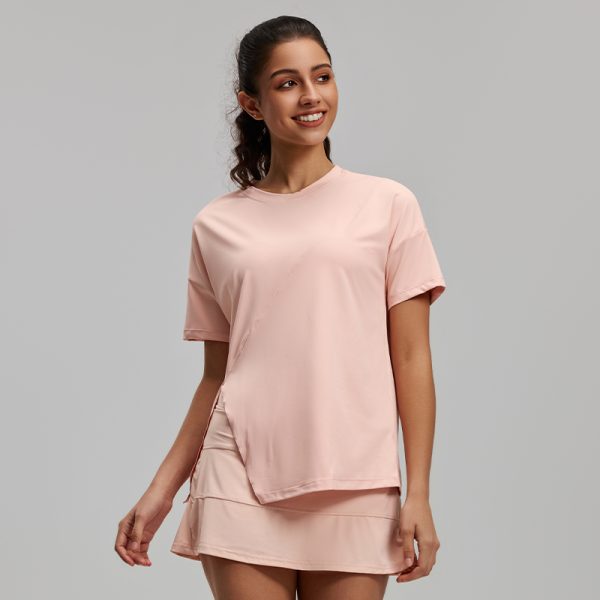
The pandemic taught many brands a sharp lesson: global supply chains can’t be taken for granted. COVID-19 disruptions in 2020 showed how factories in Guangdong and cut-and-sew shops in Los Angeles both faced bottlenecks. That event pushed buyers to value transparent lead times and onshore prototyping. A short sleeve yoga tops manufacturer who shares production timelines and raw-material origin will save you headaches and surprise costs later.
Common mistakes brands make — and how to avoid them
Brands often skip a true production trial. They accept a single sample and assume bulk will match—don’t. Also, overlooking finishing details like hem stretch recovery or seam reinforcement leads to returns. Another frequent misstep: not confirming wash tests for colorfastness on dyed blends. Run a small wash-and-wear test on cut samples; you’ll surface fit drifts and pilling before a full order.
Alternatives and when to choose them
If your brand values speed, look for manufacturers offering on-demand printing or local cut-and-sew partners to reduce transit time. For high-performance lines, prioritize suppliers who can source certified performance fabric and provide durability testing. Boutique labels might prefer domestic workshops for tighter control, while larger runs often benefit from established overseas factories that handle large-scale production efficiently. Balance cost with quality requirements—cheap fabric never looks cheap in the right light.
Quick comparisons: metrics that actually help
Use simple, measurable metrics when you evaluate suppliers: sample lead time, defect rate per 1,000 pcs, and minimum order quantity versus unit cost. Track these across vendors in a spreadsheet—numbers cut through charm. Also, note intangible indicators: responsiveness, willingness to iterate on a techpack, and whether the factory suggests fabric alternatives that preserve function while lowering cost.
Advisory — three golden rules for picking a partner
1) Prioritize reproducibility: insist on a pre-production sample and a documented QC checklist that includes stitch count and seam type. 2) Demand transparency on lead times and fabric sourcing so you can plan around real-world delays. 3) Use performance checks—wash tests, stretch recovery, and abrasion tests—before scaling an order. These metrics keep launches predictable and protect brand reputation.
When the pieces all line up—fabric that breathes, seams that stay put, a manufacturer who treats your techpack like a contract—you end up with garments people actually wear. That clarity, ultimately, is where Joebond fits naturally, offering a pragmatic bridge between design intent and production reality. —