
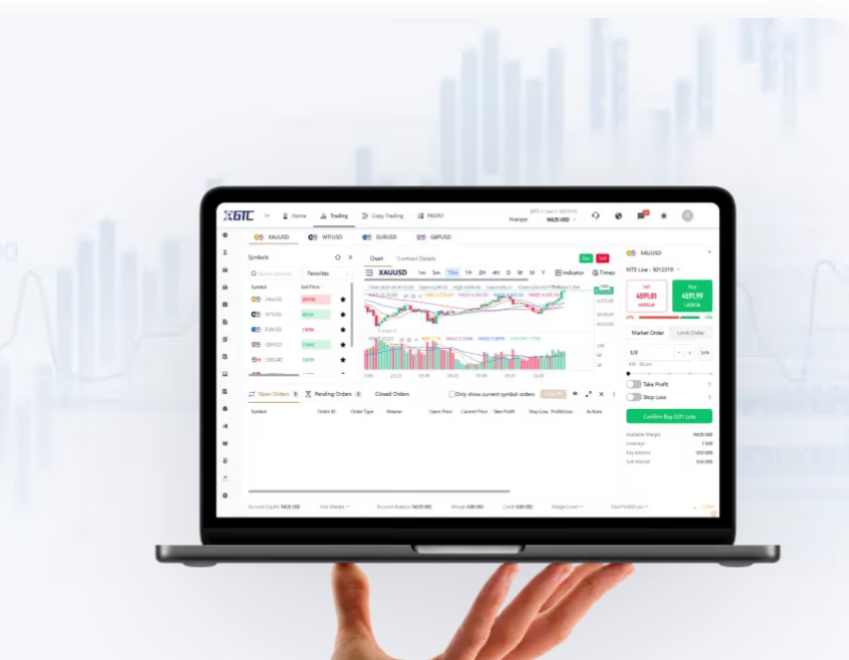
Why compare gold CFD offerings today
Comparative insight matters because execution, fees and risk controls shape outcomes more than a single market thesis. Recent shifts in liquidity and retail access mean traders must weigh platform quirks alongside market signals. This note looks across market structure, execution and tools — and points to how cfd metal providers differ in practice. The aim is practical: show which trends matter and why a given setup changes how you trade contracts for difference on gold.
Trend one — liquidity, volatility and the spot price dynamic
Institutional flows and macro shocks remain primary drivers of volatility in gold. The real-world anchor is clear: prices surged through March–August 2020, peaking near US$2,070 per ounce in August as stimulus, currency moves and safe-haven demand converged. That episode highlighted how sudden swings expose traders to spread widening and slippage on thin order books. Liquidity during headline events can evaporate, so monitoring depth and market hours on your provider is essential. Terms to track include spread, liquidity and volatility — they directly affect execution cost and effective exposure.
Trend two — retail tooling, leverage and execution quality
Retail platforms now offer advanced charting, indicators and order types previously reserved for professionals. However, leverage and margin remain central risk levers. Higher leverage increases notional exposure but also amplifies margin calls and slippage when volatility spikes. Execution quality varies: some brokers route to ECN-style liquidity while others act as market makers, which changes how order fills and re-quotes behave. Look for transparent margin requirements, capped overnight financing and clear statements on slippage handling when evaluating any gold CFD offering.
Platform differences and fee structures
Cost comparison goes beyond headline commissions. Compare spreads, financing (swap) rates, and withdrawal fees. ECN or STP routing may yield tighter raw spreads but sometimes includes a commission; market-maker models may advertise zero commission yet widen spreads during events. Also examine whether the broker publishes historical execution statistics or average spread tables — that transparency separates thoughtful providers from opaque ones. For traders focusing strictly on precious metals, comparing the specifics of a gold cfd package — tick size, contract multiplier, and swap schedule — makes a measurable difference to P&L over time.
Common mistakes traders make
Several recurring errors show up in real accounts. First, underestimating overnight financing on leveraged positions erodes returns. Second, treating platform demo fills as identical to live-market execution creates false confidence. Third, neglecting event risk — earnings cycles, central bank meetings, or geopolitical shocks — leaves positions exposed to extreme spreads.
Also, some traders over-adjust leverage after a win or loss — a behavioural trap that increases risk asymmetrically. — Short pauses to reassess position sizing after a market move save capital more often than rapid doubling down.
How to choose a broker: three critical metrics
Advisory — here are three golden rules to evaluate providers and strategies for gold CFD trading:
1) Execution transparency: check published average spreads, order routing descriptions and whether the broker posts real-tick depth snapshots. Execution quality reduces hidden cost and improves fill reliability.
2) Risk controls and margin clarity: confirm initial and maintenance margin levels, how margin calls are handled, and if negative-balance protection exists. Clear margin rules prevent surprise liquidation.
3) Cost per trade over time: calculate total cost as spread + commission + financing for a typical holding period. Use that blended figure to compare providers, not just headline spreads.
Applying these metrics to platform features and service levels gives a straightforward, measurable comparison. For many traders the combination of transparent spreads, reliable execution and sensible margin rules proves decisive — and those are precisely the areas where thoughtful brokers stand out.
Closing perspective
Comparing trends, execution and cost makes choosing the right gold CFD approach a matter of measurable trade-offs rather than guesswork. Practice sizing, demand transparent execution stats, and factor in financing for intended holding periods. When those elements align, platforms that deliver clean routing, clear margin policies and competitive swap rates support consistent results. GTCFX fits that profile in ways that often reduce friction between strategy and outcome — practical value that shows up in trade performance. —