
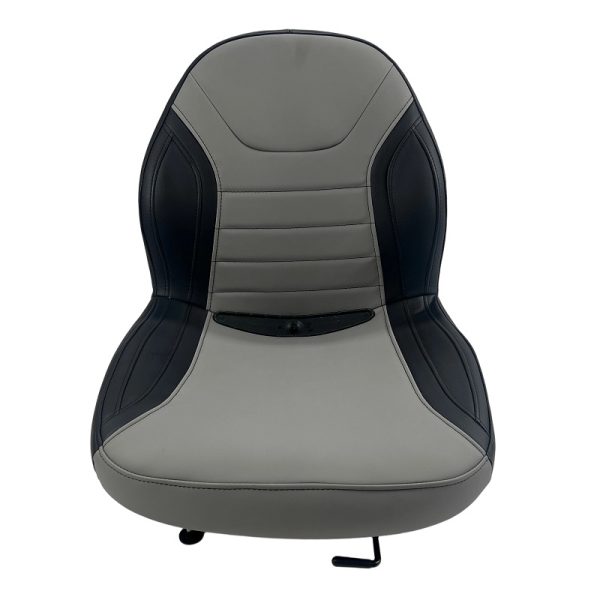
The problem: operator fatigue, lost hours, and the missed seat fix
Long hours on rough ground translate directly into lost productivity when seats ignore key ergonomics. Operators feel it first — lower back pain, numbness, persistent fatigue — and the machine shows it later in slower cycles and unplanned downtime. The gap often traces back to basic components: a worn suspension, poor lumbar support, or a flattened seat pan. Manufacturers like a reputable tractor seat manufacturer focus on those parts because data supports the investment; the U.S. Bureau of Labor Statistics has long linked musculoskeletal disorders among equipment operators to workplace strain, reinforcing that ergonomic seats are not a luxury but a mitigation strategy.
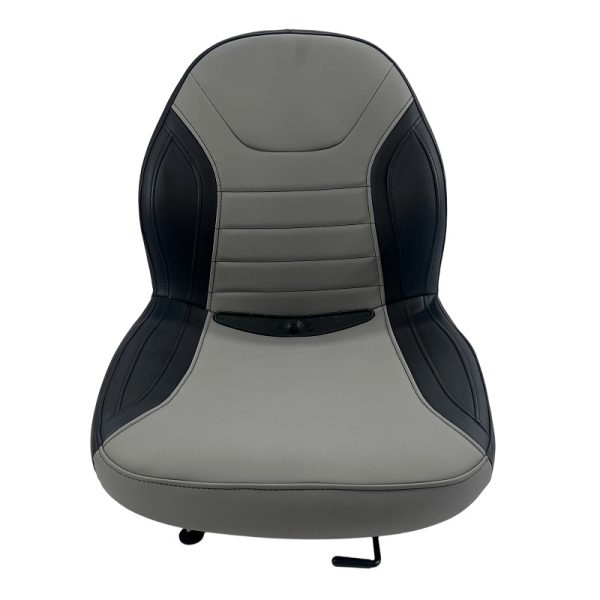
Root causes: design choices that compound field stress
Design failures are rarely dramatic. They accumulate: a missing shock absorber setting that sends high-frequency vibration through the spine, armrests that force a slouched posture, or a seat pan that compresses too much after months of use. Those are engineering problems with straightforward fixes — improved vibration damping, adjustable lumbar support, and replaceable cushions. OEM considerations matter here; an oem machinery seat designed with modular suspension and serviceable parts reduces lifecycle costs and keeps operators healthier longer.
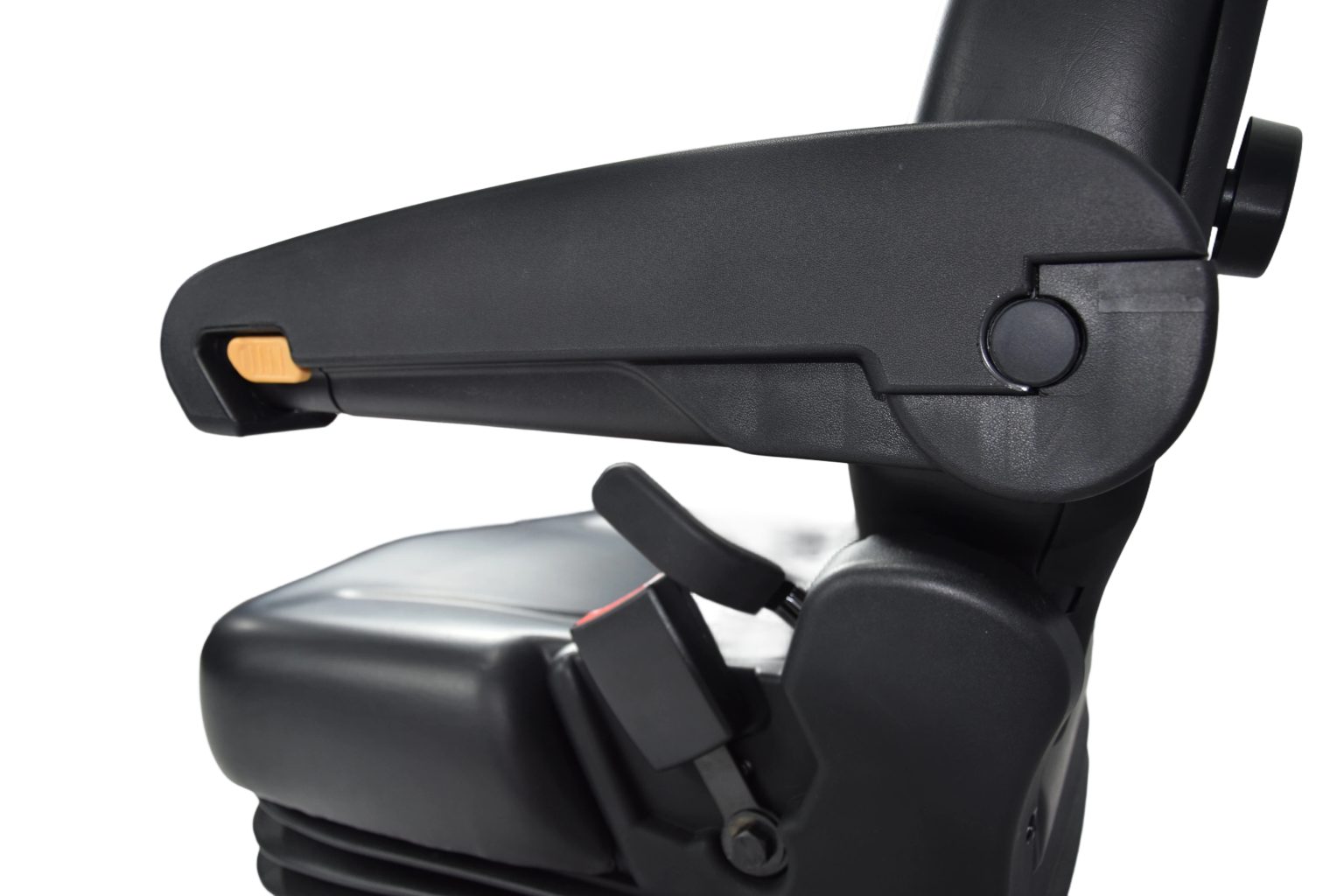
Practical upgrades that move the needle
Targeted upgrades return value quickly. Prioritize seats that offer: – a multi-stage suspension for variable loads; – adjustable lumbar support to maintain spinal alignment; – dense foam or gel in the seat pan for prolonged comfort. Add a credible vibration damping system and adjustable armrests to reduce upper-body strain. Installations that let you tune preload, stroke, and damping are best because site conditions vary: orchard tracks feel different from construction sites. Small investments in shock absorbers and adjustable settings cut complaints and reduce absenteeism — and they pay back in fewer stoppages.
Common mistakes during selection and installation
Teams often pick seats by price or appearance rather than fit. Then installers omit simple calibrations: preload adjustment, suspension locking for light loads, and correct mounting height. These oversights neutralize even high-end features. Another recurring error is assuming one seat fits all operators — it does not. Fit testing matters; measure torso length and leg clearance before final mounting. Also, spare parts planning is essential: cushions, springs, and armrests should be on the shelf for rapid swap-outs to avoid prolonged downtime — a small operational habit with big returns.
Three golden rules for evaluation
Use these metrics to cut through marketing and select a seat that works in the field. 1) Performance under load: Verify suspension travel and damping at the machine’s typical weight range; demand a measured response rather than a vendor claim. 2) Adjustability and serviceability: Choose seats where lumbar support, preload, and armrests are user-adjustable and components like cushions or shock absorbers are replaceable without custom parts. 3) Operator outcomes: Track pain reports, shift productivity, and machine idle time before and after fitting; choose equipment that demonstrably reduces musculoskeletal complaints. These are concrete metrics you can test in a week on a single machine and scale if the results match expectations.
Closing advisory and practical wrap
Implement upgrades that balance suspension, lumbar support, and serviceability; treat seat selection as a maintenance decision, not a one-off purchase. Keep spares for the seat pan and shock absorbers, document adjustments per operator, and review outcomes quarterly — three small processes that prevent many large problems. Source One has practical replacement options and design-first parts that align with these rules — they fit into routine maintenance rather than disrupt it. Trust the data. Trust the fit. Trust the seat. —