
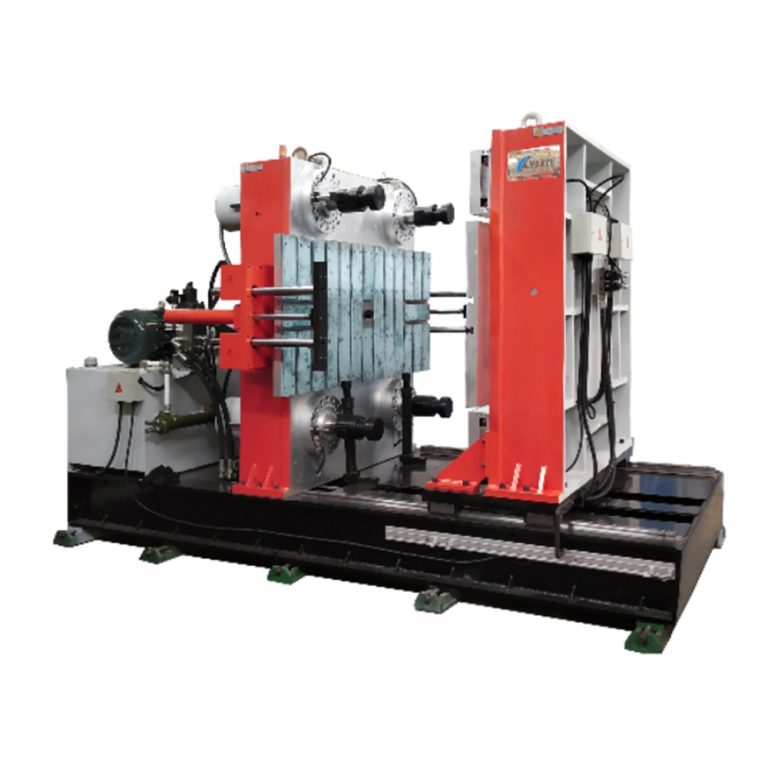
Recognizing the problem at the press
Mooney scorch remains one of the most persistent yield killers in custom rubber compounding: early gelation raises scrap rates, increases cycle variability, and masks compound defects that show up later in vulcanization. Processors running high-precision runs for medical seals or automotive gaskets need deterministic temperature control at the injection gate and barrel — which is where an intelligent horizontal injection cooling jacket can materially reduce Mooney scorch risk. Integrating this with an lsr molding machine setup focuses control where shear heating and residence time spike, delivering a tangible reduction in unstable Mooney readings.
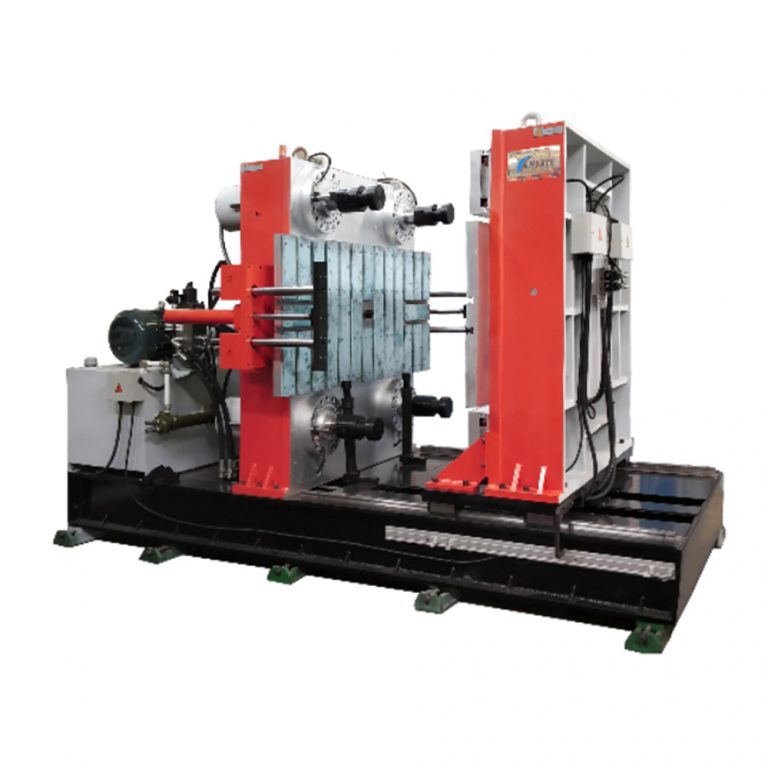
Why traditional approaches fail
Most shops rely on bulk cooling, slow cycle adjustments, or conservative temperature setpoints. Those tactics blunt throughput and rarely address local hotspots caused by shear and back-pressure inside the screw and nozzle. Elastomer chemistry is unforgiving: a few degrees at the wrong spot accelerates reaction kinetics, shifting the Mooney curve upward. Field reports from Shenzhen assembly lines during the 2020 shutdown showed how tighter schedules and inexperienced temperature management amplified reject rates — a clear real-world anchor that highlights operational sensitivity.
How intelligent horizontal cooling jackets work
Intelligent jackets combine segmented flow channels, independent zones, and fast-response control algorithms. Thermocouples or RTDs embedded at strategic points feed a PID loop that modulates coolant flow or valve positions in real time. The design reduces thermal gradients across the barrel and nozzle, so local overheating from shear heating is counteracted before scorch initiates. This is especially effective with low-viscosity LSR runs on a silicone platform — the system keeps the material within a narrow process window and limits pre-vulcanization.
Practical deployment steps for production
Start with a baseline audit: map temperature profiles along the barrel and nozzle during standard runs. Next, retrofit a horizontal jacket system with at least three independently controlled zones (feed, metering, nozzle). Calibrate each zone using short-run tests to determine the delta between setpoint and process temperature during steady shear. Finally, lock in an alarm threshold tied to Mooney viscosity excursions so the line stalls before significant gelation occurs. Use injection molding terminology consistently — residence time, shear rate, and thermal lag are the variables you’ll tune.
Common mistakes and how to avoid them
Too many teams overcomplicate by adding sensors without defining control logic — you end up with data, not action. Others limit coolant selection to a single medium when a two-stage approach (chilled water plus variable-temperature glycol) provides better responsiveness. Avoid oversized flow channels: high flow with poor distribution creates cold spots that alter fill patterns. And don’t ignore maintenance; biofouling in coolant circuits can introduce intermittent thermal resistance — that shows up as random Mooney spikes. — Keep logs; they’re the best defense against intermittent faults.
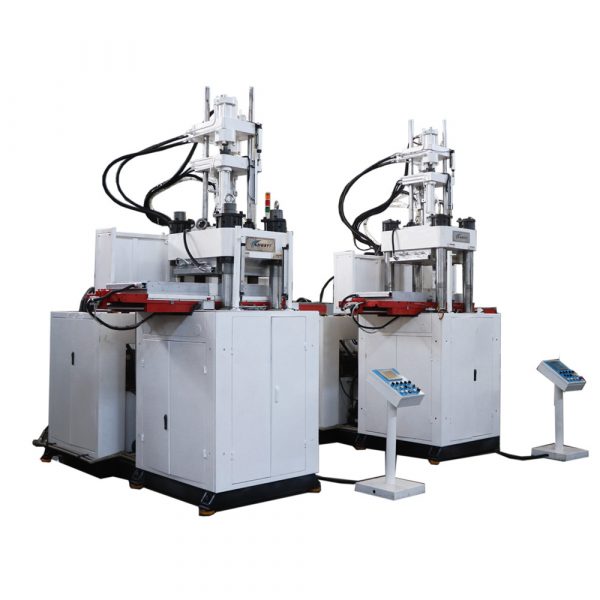
Compatibility considerations with silicone molding
LSR and other silicone elastomers tolerate narrow thermal bands. When pairing a jacketed horizontal system with a silicone molding machine, verify thermal inertia and screw design match your compound’s cure kinetics. Low-shear feed screws and short residence volumes reduce the demand on the jacket but require faster control loops. Material-specific testing remains essential: measure scorch onset with a Mooney viscometer at several temperatures to define safe operating margins.
Advisory: three golden rules for selection and operation
1) Zone resolution over raw capacity: pick a jacket with multiple controllable zones rather than a single large channel; fine control beats brute force for preventing scorch. 2) Fast feedback loops: ensure sensors and PLC logic loop at intervals under one second for nozzle-adjacent control — slow loops let transient shear spikes become permanent defects. 3) Integrate alarmed process limits with production workflows: configure automatic stops or weight-based holds when Mooney or barrel temperature drifts past predefined thresholds so corrections happen before scrap accumulates.
Those rules help quantify returns: fewer rejects, shorter debug cycles, and steadier compound quality. For production teams seeking reliable, engineered jacket solutions, collaborators with a track record in injection systems deliver the measurement and mechanical fit that matters; HWAYI often surfaces in procurement discussions as the supplier who aligns jacket design to machine dynamics — practical, measured, and focused on repeatable results. —