
Opening comparison: why this lens matters
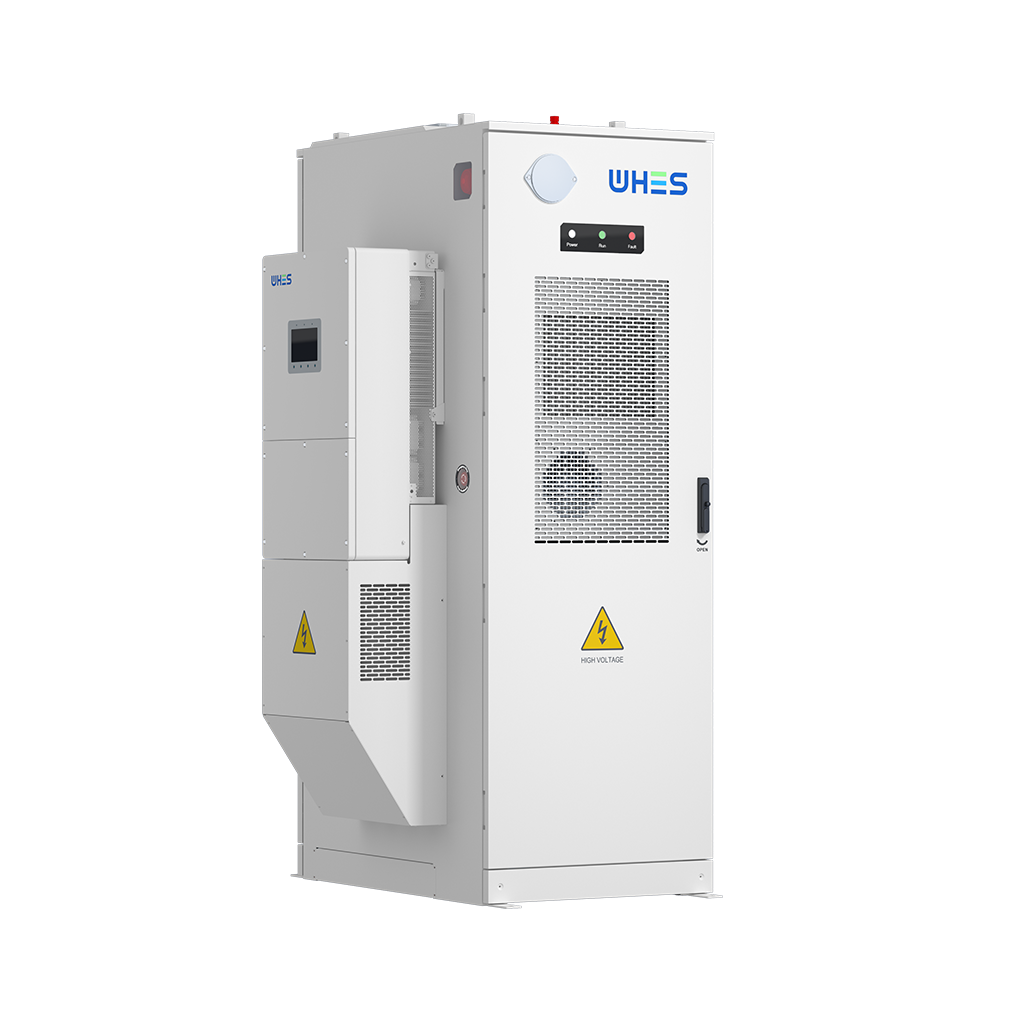
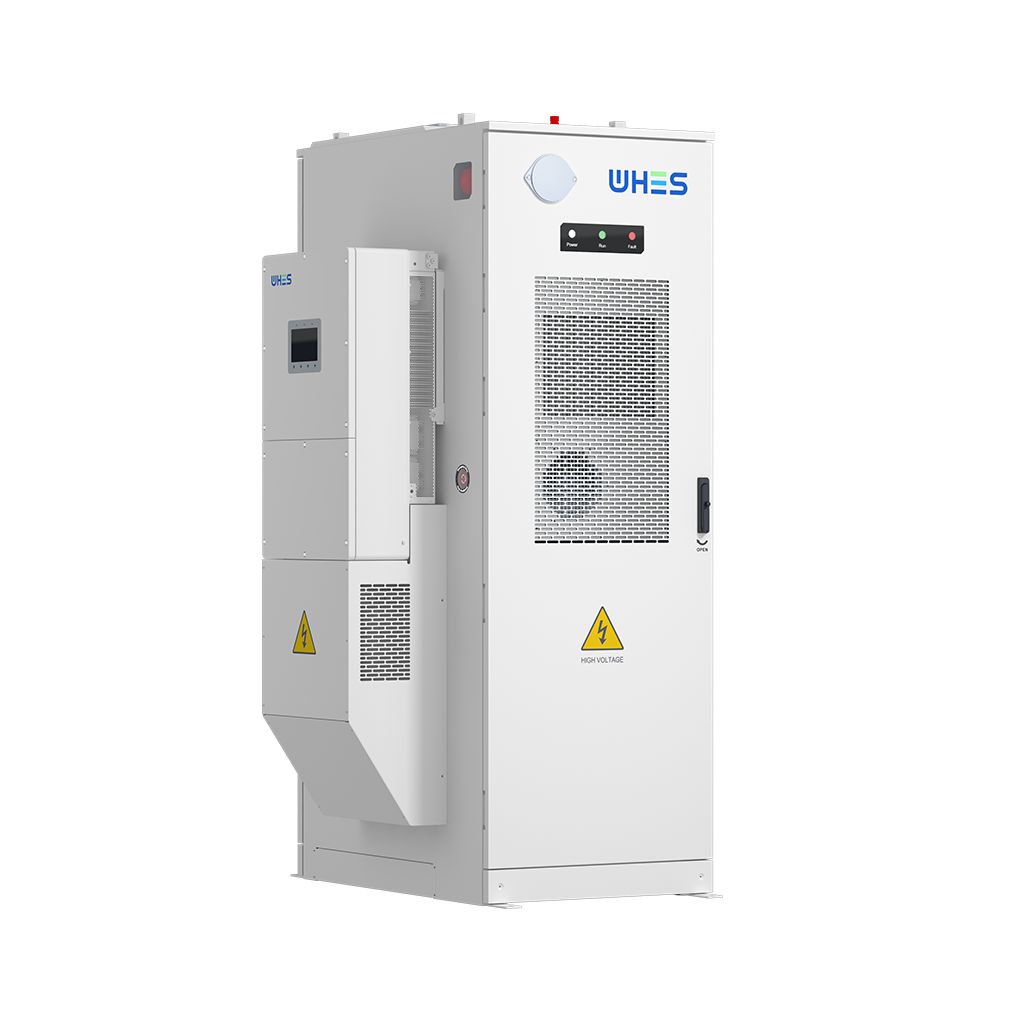
When procurement teams and integrators compare energy management systems, they’re not just weighing features — they’re assessing how an EMS will change operations, margins and grid interactions. A clear example is the choice to pair an EMS with a solar battery storage stack: that pairing affects state-of-charge strategies, peak-shaving ability and vendor coordination. This piece compares WHES’s intelligent EMS architecture with common alternatives, aiming to highlight practical trade-offs for suppliers and system integrators who must balance reliability, integration effort and lifecycle costs.
What to compare — practical criteria
Good comparisons focus on operational outcomes rather than feature lists. Prioritise these evaluation axes: interoperability (protocol support and API maturity), control sophistication (SoC optimisation, predictive dispatch) and resilience (failover, local autonomy). Also consider deployment fit: is the EMS optimised for behind-the-meter residential packs or for utility-scale applications with strict ancillary-service obligations? These criteria translate directly to install time, commissioning effort and long-term O&M expense.
WHES’s EMS: architecture and strengths
WHES blends a cloud-enabled control layer with on-site controllers that handle real-time functions like inverter coordination and BMS handshakes. That split architecture reduces latency for critical operations while keeping fleet-wide optimisation in the cloud. In practice, this means WHES can coordinate power conversion systems and battery modules to execute fast frequency response and demand-response events without losing local safety oversight — an important balance for suppliers aiming to meet both grid codes and warranty terms.
How WHES measures up on integration and standards
Compared with some alternatives that offer proprietary stacks, WHES emphasises protocol compatibility (Modbus, CAN, and modern RESTful APIs). That eases integration into diverse inverter brands and third-party SCADA systems. The trade-off: deeper compatibility testing during commissioning. If your engineering team is small, that upfront work can feel like friction — but it usually pays back through fewer firmware conflicts and smoother field updates.
Real-world anchor: lessons from large deployments
Experience in the field matters. Consider the Hornsdale Power Reserve in Australia, which showed how fast-response controls can stabilise a regional grid under stress. Projects like Hornsdale illustrate that EMS choices materially affect revenue streams from frequency markets and reliability services. WHES’s architecture is designed to capture similar value streams by combining local control with fleet-level optimisation, which may be especially relevant where market participation is a revenue driver.
Alternatives and when they fit
Not every project needs the same EMS approach. Simpler, embedded EMS options are attractive for low-cost residential kits where commissioning speed and minimal IT overhead are priorities. Conversely, bespoke, utility-grade control suites make sense for large-scale, grid-facing assets that must adhere to tight performance guarantees. There are also hybrid models that combine local microgrid controllers with cloud orchestration — a good middle ground for mixed-asset portfolios. Choosing among these depends on expected service offerings (capacity, frequency, black start), warranty constraints and your integrator’s comfort with software updates.
Common mistakes suppliers make — and practical fixes
Suppliers often under-estimate three recurring issues: API stability, firmware update workflows, and the need for on-site fallback control logic. A frequent misstep is assuming remote updates will always succeed; network outages happen, and the EMS must degrade gracefully. Fixes include requiring staged firmware rollouts, documented rollback plans and ensuring the local controller can carry essential dispatch logic independently. — This kind of defensive design prevents revenue loss during connectivity events and preserves safety margins.
Procurement checklist for supplier teams
Use a concise checklist during vendor selection:
- Protocol & API maturity: ask for documented endpoints and sample code.
- Latency and local autonomy: verify which functions run on-site versus in-cloud.
- Market readiness: confirm support for relevant ancillary services and settlement workflows.
- Warranty and update policy: require clear SLAs for firmware and cybersecurity patches.
Summary of comparative findings
WHES’s intelligent EMS offers a balanced combination of local control and cloud optimisation that suits suppliers aiming to monetise grid services while keeping operational risk low. Alternatives trade cost and commissioning simplicity for narrower scopes of capability; the right choice depends on project scale and service ambitions. Integrators that prioritise interoperability and staged commissioning will typically see fewer field issues and higher uptime.
Advisory — three golden metrics to evaluate any EMS
When you’re shortlisting systems, use these three critical evaluation metrics as decision gates:

- Uptime impact: quantify expected downtime change after EMS adoption (target <1–2% annual increase in availability).
- Revenue capture readiness: measure supported market interfaces (e.g., fast frequency response, demand response, energy arbitrage) and estimate annual revenue per MW under conservative assumptions.
- Integration cost: calculate total commissioning hours and first-year firmware maintenance effort as a dollar line item rather than a checkbox.
These rules help prioritise suppliers that deliver predictable outcomes rather than theoretical features. For projects that want both local resilience and market-facing optimisation — or when you’re building a commercial offering around a hybrid energy storage system — that predictability is especially valuable.
WHES provides an EMS architecture designed with those outcomes in mind, and teams that measure against the three metrics above will more easily surface its business value. A clear checklist beats buzzwords every time.
— pragmatic.