
Introduction
I was in a small shop outside Austin once, watching a machinist wrestle a part into the vise while the clock ticked—felt like a Sunday afternoon scuffle. In the last five years, makers like DMG Mori, Mazak, Okuma, Haas, and Hurco have all pushed hard on five-axis platforms, and industry surveys say roughly 60% of mid-size shops expect to invest in five-axis gear within three years (that number surprised me). So what really separates a machine that saves you headaches from one that just looks pretty on the floor?
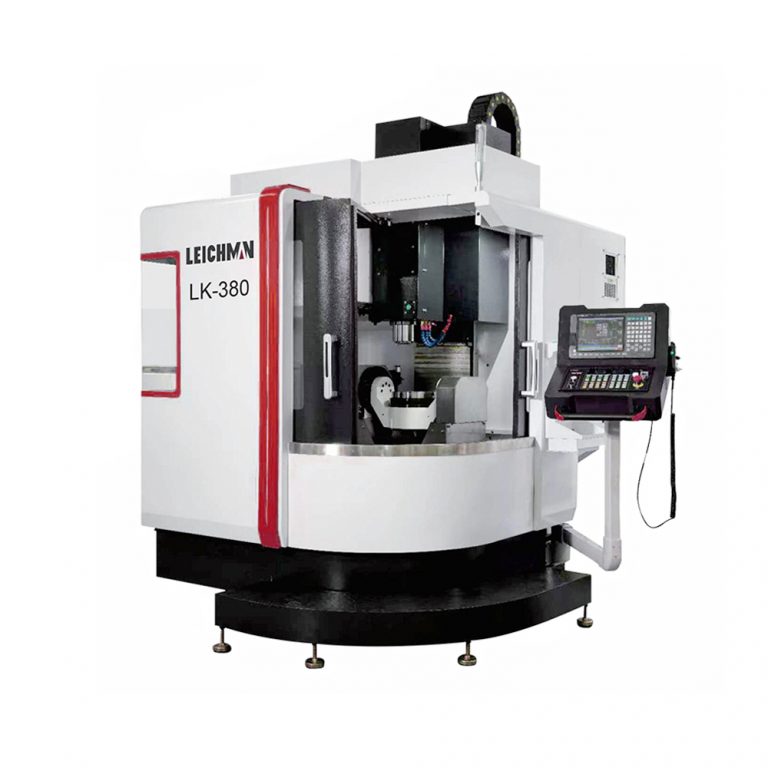
Let me tell ya straight: every shop’s story is different, but the questions are the same. I’ll walk you through what I see on the floor—what works, what don’t, and what matters when you’re looking at spindle speed, tool changer reliability, or how a controller handles a tricky CAM routine. Y’all hang on; we’ll get into the nitty-grit next—no fluff, just the parts that matter.
Where the Old Fixes Fail: Deeper Problems with 5 Axis Machine Centers
5 axis machine center — people talk about them like they’re the silver bullet for complex parts, but I’ve seen plenty of setups that fall apart under real work. The old fixes—more clamps, faster spindle speeds, or just buying a bigger machine—don’t solve the subtle stuff. Backlash in the rotary axes, thermal drift across long runs, and sloppy interpolation from a cheap controller will still ruin your surface finish. Look, it’s simpler than you think: a machine with great linear guideways but poor thermal compensation still gives you scrap.
Why do those fixes miss the mark?
I’ll be blunt. Shops often focus on headline specs—rpm, axis count—while ignoring continuous factors like tool changer cycle time, servo drives tuning, and how CAM output is post-processed into G-code. The result is parts that meet print on the first piece but wander off after heat builds up. I’ve seen tooling go out of tolerance because no one checked thermal drift, and no one wanted to rework the post-processor. That’s a people problem and a tech problem—both. — funny how that works, right?
Looking Ahead: New Principles and Practical Metrics for 5 Axis CNC Universal Machining Centers
When I think about the next wave, I focus on principles, not buzzwords. The best gains come from smarter control strategies, better integration between CAD/CAM and the controller, and hardware that keeps its geometry under load. A modern 5 axis cnc universal machining center must pair accurate interpolation with robust thermal compensation and predictable tool life. That means tighter servo tuning, redundancy where it counts, and smarter toolpath smoothing so your spindle isn’t fighting jerky moves.
What’s Next?
Here are three practical metrics I use when evaluating a system: positional repeatability under thermal load, tool change mean time, and real-world cycle time for a representative part. Measure those, and you’ll see differences that spec sheets don’t show. I’m not saying every shop needs the fanciest electronics—no sir—but you do need components that play well together: linear guideways that stay true, reliable spindle bearings, and controllers that digest CAM output correctly. — I mean it.
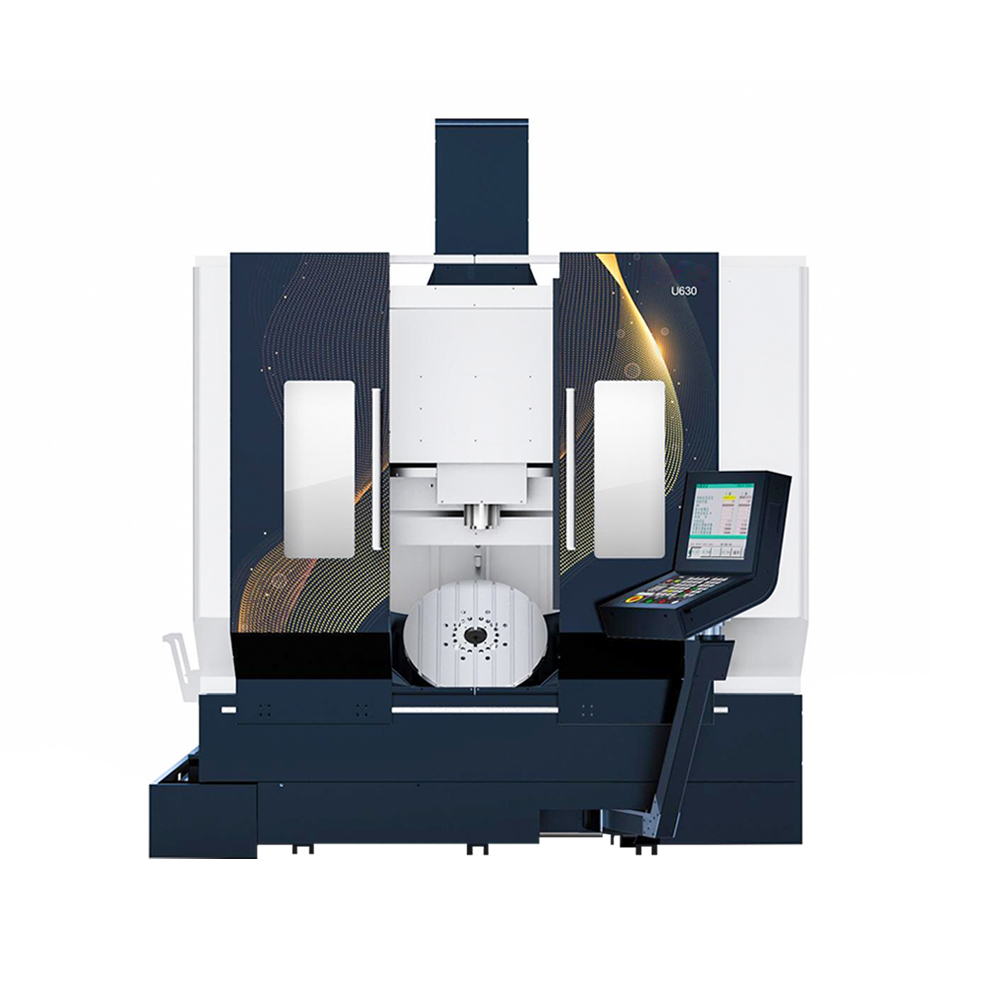
To wrap up, pick machines where the manufacturer supports real-world testing and gives you the tools to validate performance on your parts. Compare how vendors handle service, how they tune servo drives for your work, and whether their post-processors produce clean G-code. Those are the things that save you time and scrap. If you want a partner that walks that walk, take a look at Leichman. I trust them on the floor—and I think you will too.