
Introduction
I can still remember the first time I opened a jar of loose powder and felt the silkiness slide across my fingertip — that light, velvety texture you chase in a formula. Silica in cosmetics often delivers that sensation, smoothing skin and taming shine (a little kitchen-stew aroma of oils sometimes helps me picture it). Recent surveys show formulators cite flowability and matte finish as top priorities, so how do we keep that feel without new headaches?
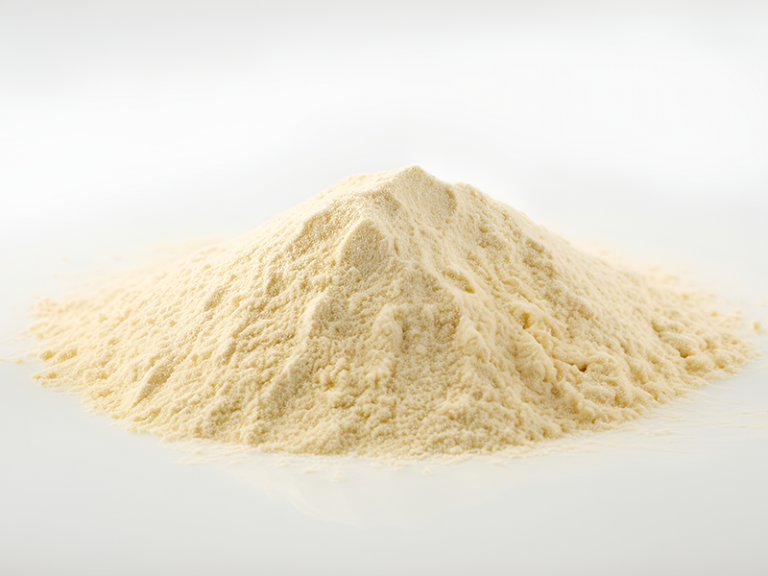
Let me walk you through a short, sensory tour — texture, slip, bloom — then ask the hard question: are we using the right silica type and processing steps to match what consumers actually want? I’ll lay out what I’ve learned and point to practical checks you can try next.
Part 2 — Where Traditional Fixes Fall Short (and the Hidden Pains)
Why do standard fixes fail?
When we talk about silica powder in cosmetics, I tend to begin with frustration: common stopgaps — toss more binder, increase milling, or swap grades — often mask problems instead of solving them. In my experience, the main flaws are tied to particle size distribution and surface treatment mismatches. Too-fine particles can reduce flowability and raise dust; too-coarse grains ruin spread and opacity. Surface chemistry matters just as much: untreated silica behaves very differently from surface-treated particles in oil-in-water systems. Look, it’s simpler than you think — choose the right particle and you avoid a string of secondary fixes.
Now the hidden user pain points: consumers hate patchy coverage, cakey layering, and visible flash in photos. These are not just cosmetic complaints; they cost loyalty. From a technical angle, poor rheology control causes settling or clumping in jars and pump heads. We’ve seen brands chase whiter shade or higher opacity by increasing loading, only to create poor tactile feel and poor spread (— funny how that works, right?). Addressing these pains means looking beyond the ingredient list to processing: dispersion energy, de-aeration, and final milling all shift performance.
Part 3 — What’s Next: New Principles and Practical Metrics
Real-world Impact: how new approaches change outcomes
Moving forward, I favor a principles-first approach rather than ad-hoc fixes. Start by revisiting the role of silica powder in cosmetics within your formula: is it an absorber, anti-caking agent, or opacifier? Each role demands a different particle size, porosity and surface treatment. For instance, high-porosity silica can absorb oil and extend wear, while low-porosity fumed silica improves slip but may cake if overused. We should model these choices early, then run quick pilot batches to see the rheology and spreadability in real time. Short cycles save time and avoid costly reworks.
In practical terms, compare process tweaks — mill time, shear rates, and drying conditions — and record how they affect metrics like tap density, particle size distribution, and sensory score. Small changes can yield large benefits. I’ve run side-by-side trials that converted a gritty finish into a satiny one with only a 10% change in median particle size and a modest surface treatment swap. The lesson: set clear, measurable goals and let the data guide your choices. — and yes, you’ll be surprised how much better a formula behaves with the right silica selection.
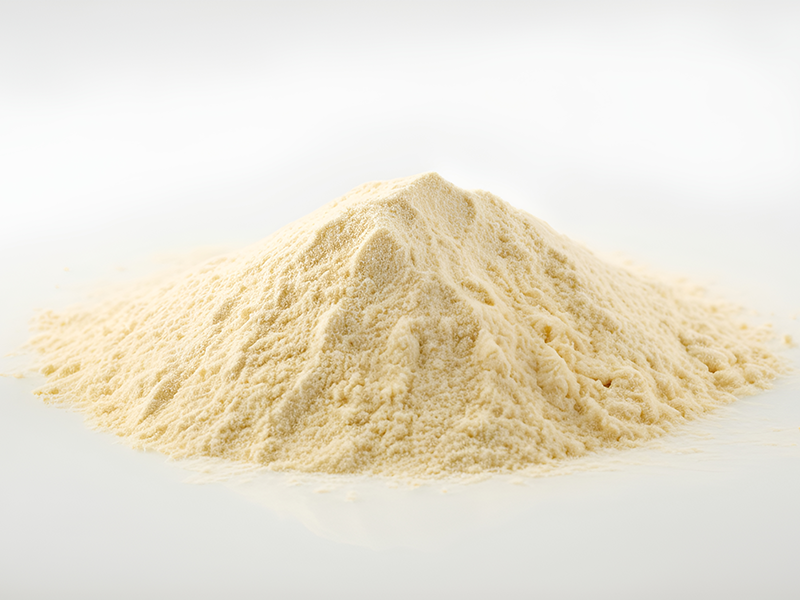
Choosing and Measuring Success: Three Key Metrics
As we wrap up, here are three concrete metrics I use when evaluating silica options. They’re practical, measurable, and aligned with user experience:
1) Particle Size Distribution (PSD): Aim for a PSD that matches the intended sensory effect. Narrow distributions help control opacity and reduce flash. Measure with laser diffraction or sieve analysis.
2) Surface Treatment Compatibility: Check compatibility tests in the actual vehicle (water, oil, or silicone). Surface-treated silicas can improve spread and reduce agglomeration; untreated types may be better for matte oil control.
3) Rheology and Sensory Score: Pair instrumental rheology with a short sensory panel. Numbers tell you flow and spread, but human touch reveals slip, feel, and acceptability. Combine both for the best decision.
To conclude — and I’ll say it plainly — choosing the right silica is as much about matching function as it is about mastering process. Small, deliberate changes matter. If you want a partner who understands those trade-offs, check out JSJ. I’ve worked with teams who found big wins by measuring these simple metrics first, then iterating fast. That practical focus wins over theory every time.